What is address poisoning, and why does it fool people?
Address poisoning is when scammers generate fake addresses that start and end the same way as addresses you commonly use, then slip them into your transaction history.
Address poisoning doesn’t require access to your private key or your authorization. It exploits the habit of copying addresses from your transaction history and checking only the beginning and end.
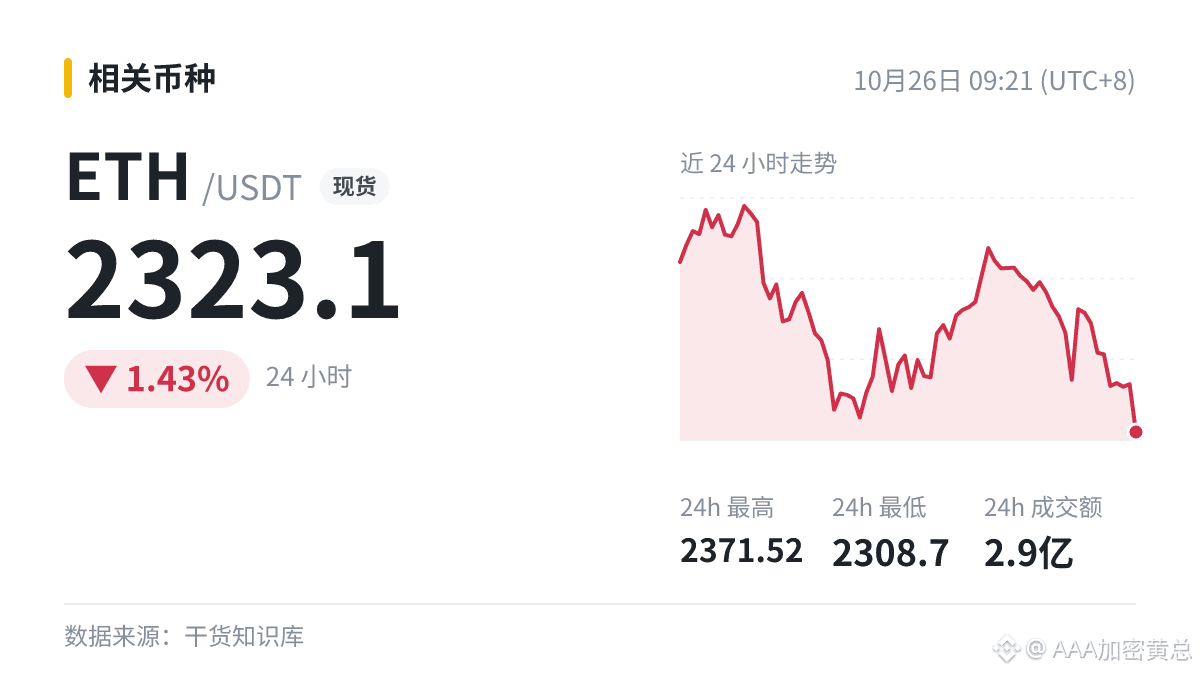
If you frequently transfer stablecoins and use the address $ETH , you’re more likely to be targeted by address poisoning. Current: 2323.1.
Don’t make large transactions over unfamiliar Wi-Fi, and remember to keep your phone’s system up to date.