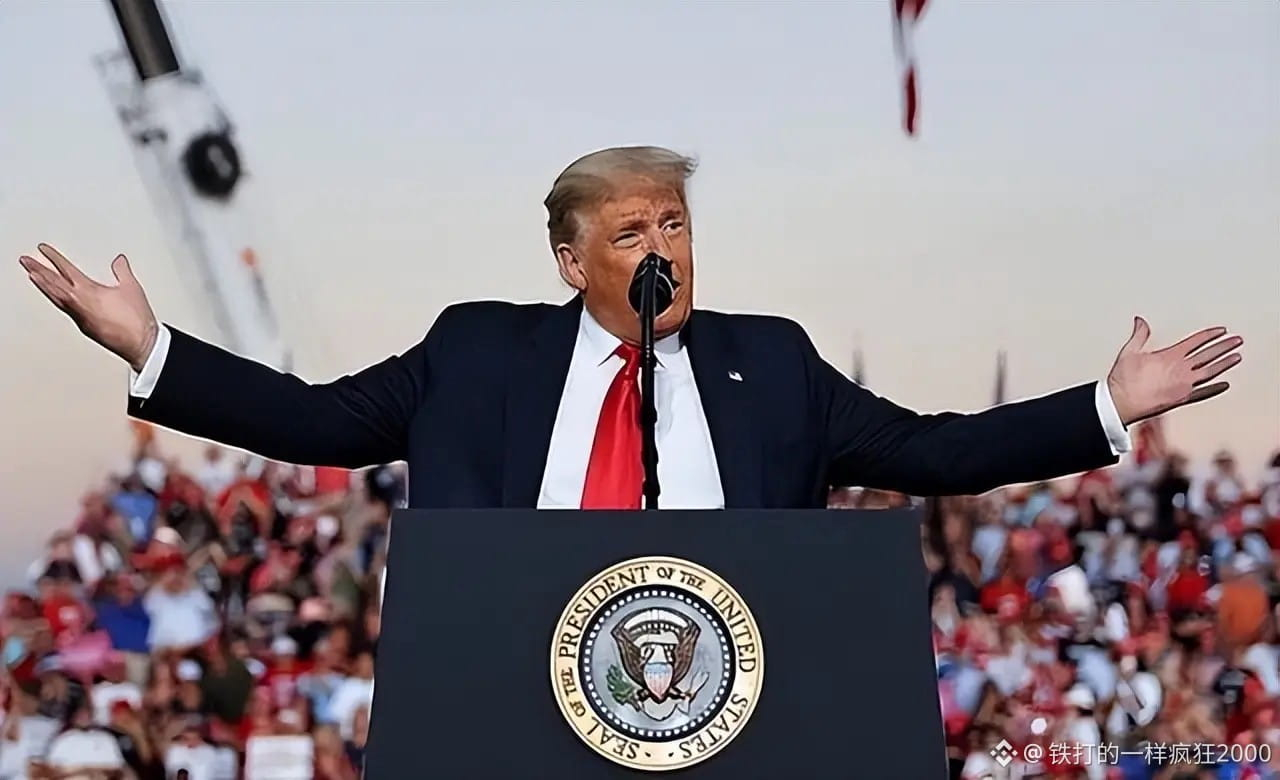
Many people have been keeping their eyes on the Federal Reserve lately, but overlooking a major event: the U.S. midterm elections. They are quietly stirring up the entire capital market, and some of the volatility we’ve seen recently reflects election expectations being priced in ahead of time.
At their core, midterm elections are a contest between the two parties for control of Congress. Different outcomes directly affect the direction of fiscal, tax, and regulatory policy. As market participants position themselves in advance, volatility naturally picks up.
There’s an interesting historical pattern: before the election results are in, uncertainty is high and investors tend to be cautious, so markets are prone to choppy swings as bulls and bears pull in opposite directions. Once the results are settled, risk premiums ease, and markets often rebound.
Markets are now weighing several possible scenarios. If Congress is divided, major policies will be difficult to advance quickly, making it harder to implement aggressive fiscal, tax, and regulatory measures. If one party sweeps both chambers, the pace of policymaking will be different, and the pressures and potential benefits for various sectors will vary considerably.
But remember: elections are only a temporary source of market disruption. The core fundamentals—inflation, Federal Reserve interest rates, and corporate earnings—are what ultimately determine the broader trend.
The closer we get to voting day, the more volatile markets may become. If you’re trading short-term swings, be sure to keep your impulses in check and don’t let short-lived headlines sway you. Managing your position size should always come first.
$ETH $SOL $ZEC #股票财报季 #韩国推迟加密货币所得税 #韩国拟将稳定币纳入外汇法监管 #Electrum修复4.8.3前版本高危漏洞