Crypto Stories 012 | The bank signed a letter saying every coin was backed by $1. The next day, he moved the money out
Monday morning, October 15, 2018, Eastern Time. Kraken’s USDT/USD quote plunged to 85 cents. At the same time, Binance was still listing it at 96 cents. Two exchanges, the same coin, an eleven-point gap.
$BTC rose 8.9% that day, surging to $6,769. Nobody really wanted to buy it; everyone was rushing to swap out of the pile of “dollars” they were holding.
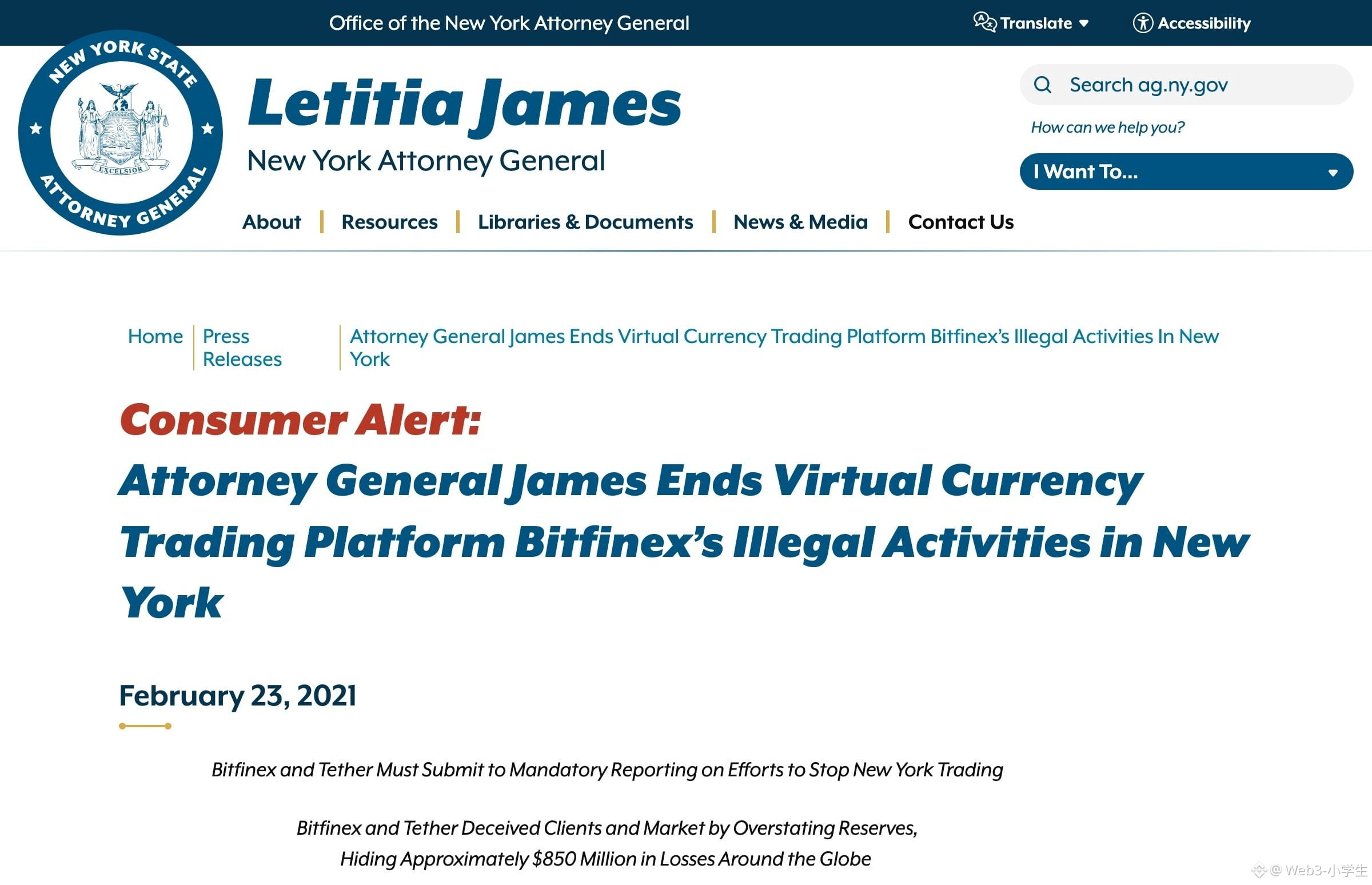
Two years and four months later, on February 23, 2021, the New York Attorney General’s Office settled the case. The two companies paid an $18.5 million fine, admitted no wrongdoing, and withdrew from New York. That $18.5 million was about a $850 million hole.
When people talk about the risks of stablecoins, algorithms are usually the first thing they think of. That’s not where the issue lies. It lies with accounts and signing authority. Whose account the money is in, and who can move it with a single instruction—none of that has anything to do with how well the algorithm is written. It has to do with who holds the key that can move the money. And there has only ever been one key.
The clearest example is the third-party attestation from 2017. Under pressure, Tether published a statement about its cash reserves, describing it as “a good-faith effort to provide an interim analysis of our cash position.” The Attorney General’s Office later found that the cash supposedly backing the circulating supply had only been deposited into Tether’s account on the morning of the attestation.
The numbers hadn’t changed. The timing had.
A reserve attestation is valid only for the instant it’s signed. A minute after signing, nobody was keeping track anymore.
The closest call came on November 1, 2018. A bank in the Bahamas called Deltec issued a letter stating that every USDT was backed by $1 in cash. The price returned to $1.00 that day. The market thought the whole thing was behind them.
The next day, the money started moving out. Several hundred million dollars in total. It landed in Bitfinex’s accounts.
One day. The company had won once, at least—won for 24 hours.
Where did the hole come from? Bitfinex had handed over its customers’ deposits and withdrawals to Crypto Capital, a payment processor registered in Panama. $850 million disappeared there.
On October 7, 2018, eight days before the depeg, the company issued a statement saying it “did not fully understand the arguments attempting to demonstrate that we were insolvent.” Four months later, the Attorney General’s Office disclosed the money in court filings, saying that about $850 million was missing. The company changed its story that same day, saying the funds had been “seized and safeguarded,” not lost. The investigation concluded that they didn’t know where the money was.
In May 2019, iFinex started selling a coin called LEO. It was the only option left. The private sale began the day after the white paper was published, and sold out in just over a week, raising the equivalent of $1 billion in BTC, dollars, and USDT. The exchange’s losses were passed on to people hoping to buy the dip—and sold remarkably fast. Just like that.
The settlement came in February 2021. The $18.5 million fine amounted to 2.2% of the hole. They still denied wrongdoing. Not a single USDT disappeared, and not one blockchain went down.
Today, this coin has a circulating supply of more than 1.82 trillion and runs on 130 blockchains. In the February 2021 announcement, the figure was $34 billion.
Five years. More than five times as much.
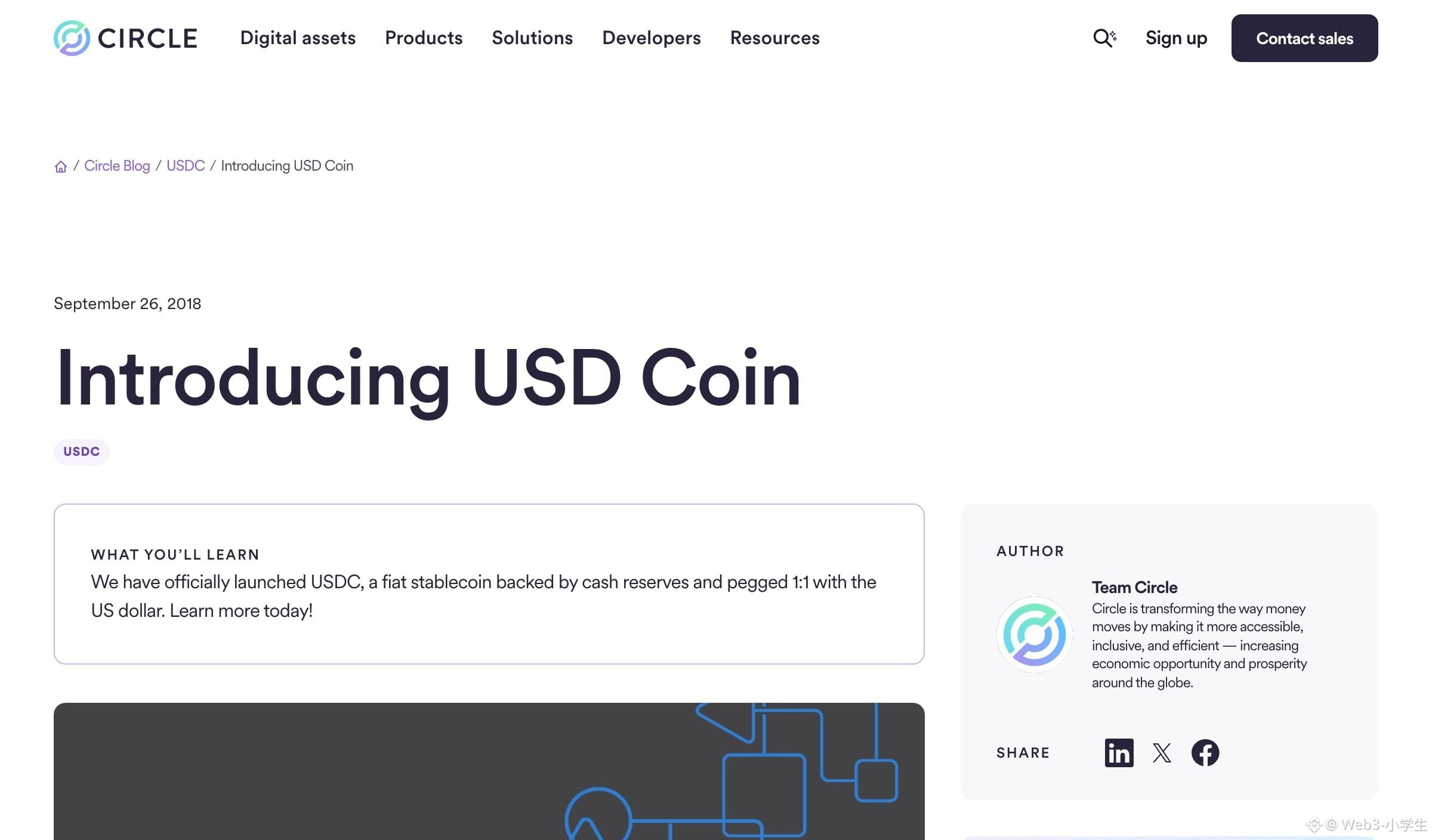
$USDC was born out of that turmoil. It launched on September 26, 2018, and was only 19 days old on the day of the depeg. Today, Binance’s highest-volume trading pair is USDC/USDT, at $1.056 billion. The market still tends to price $ETH and other major coins by first converting them into USDT. That habit from back then never went away.
There’s one thing I’ve never quite figured out, and nobody seems to have a definitive answer. On the day Deltec signed that letter, how much money was actually in the account? Which account did it move from, and which account did it move to? There’s no public record with matching balances. They don’t add up. The Attorney General’s Office documents only say that “transfers out began the following day.”
After that, the trail goes cold.
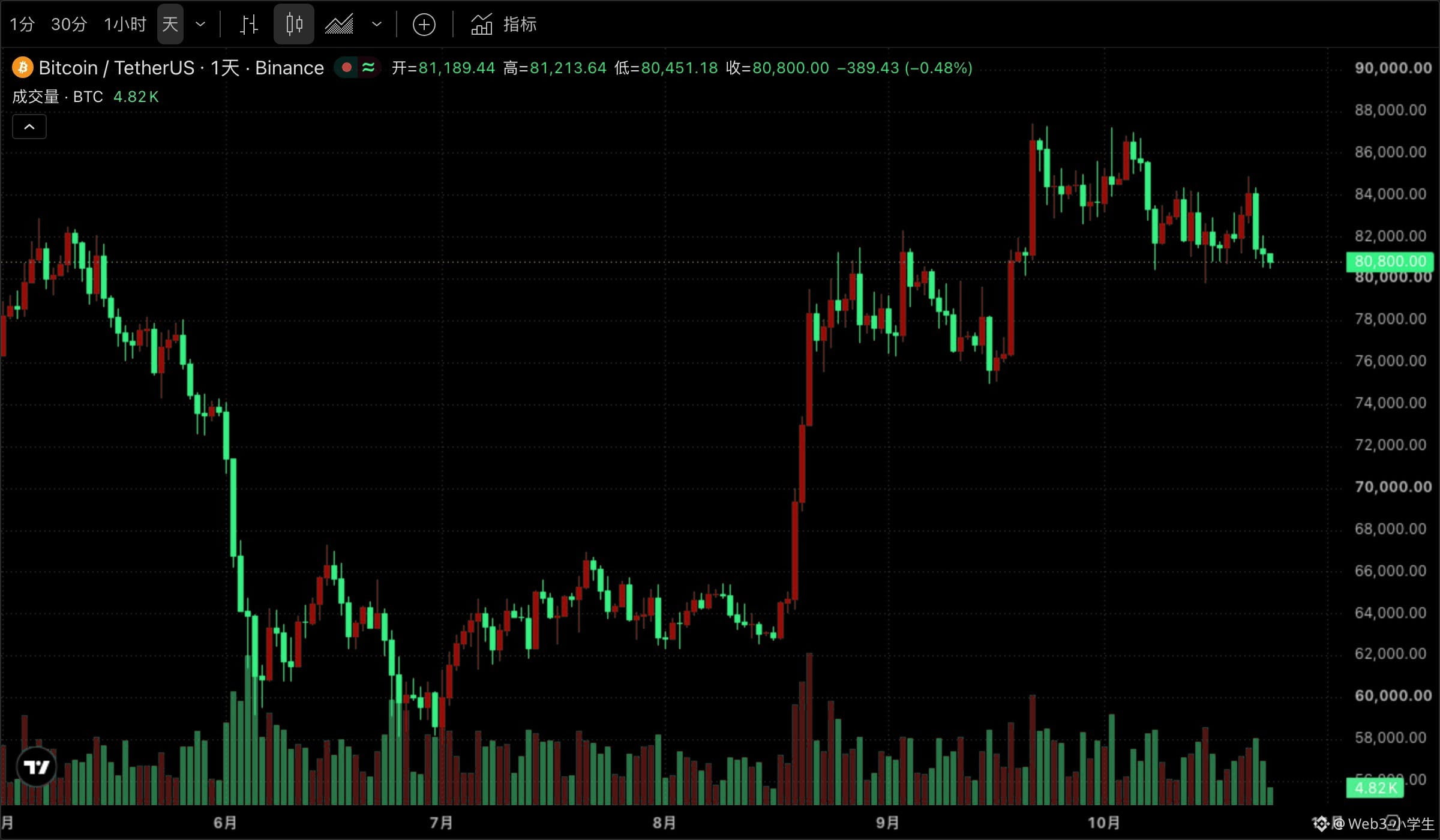
$BTC is now at $80,770, down 1.2% over 24 hours. At this point, whether the balances in your account labeled “dollars” are worth a dollar depends on whether the issuer feels like moving the money today.
That afternoon in October 2018, with an eleven-point gap, someone sold their USDT at a 10% discount—and watched the coin price rise the next day.
Do you know anyone like that? Did they ever come back to trading?
#币圈往事 #比特币 #BinanceSquare