

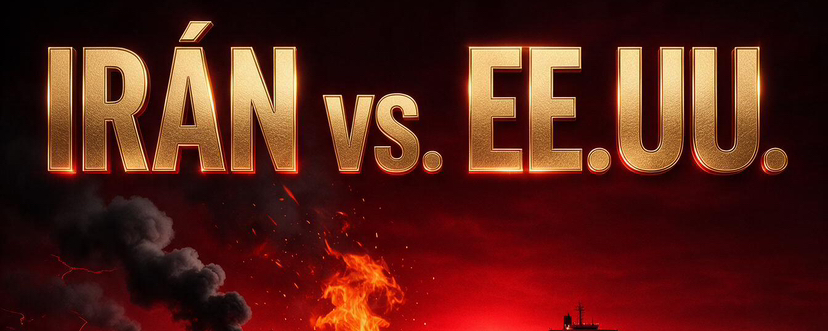
Trump says the U.S. is not negotiating with Iran and anticipates a resolution “soon,” possibly after the November 3 midterm elections.
But Tehran tells a different story: Foreign Minister Abbas Araghchi says indirect talks remain active through Pakistan and Qatar, with a 7-day plan to reopen the strategic Strait of Hormuz.
⚠️ The Iranian plan would reportedly require lifting the naval blockade, easing oil sanctions, and releasing frozen assets; the U.S. has reportedly asked to add further clauses.
💣 Meanwhile, the Revolutionary Guard claims to have attacked four vessels linked to oil transfers in the Gulf and warns of retaliatory strikes against U.S. bases. These claims have not been independently confirmed.
📈 Market impact:
• Higher geopolitical risk → upward pressure on oil 🛢️
• Strait of Hormuz closed or unstable → soaring freight costs and inflation risk 🌍
• Greater risk aversion → potential support for gold and safe-haven assets 🥇
• For BTC and crypto: volatility, but the impact depends on whether the escalation affects global liquidity and risk appetite.
🧠 Key takeaway: there is a huge gap between Trump’s statement (“we’re not negotiating”) and the Iranian version (“talks are continuing”). That uncertainty is exactly what is keeping energy markets on edge.
📌 What to watch: announcements after the U.S. elections, attacks on vessels, the actual status of the Strait of Hormuz, and the crude oil market’s reaction
#trading #criptonews