
I used to think that as long as you were willing to work hard, you could make a good life for yourself. It wasn’t until my restaurant failed, I fell out with my business partner, and I suffered repeated losses on contracts that I realized what people should fear most isn’t being temporarily short of money—it’s refusing to admit they’ve taken the wrong path.
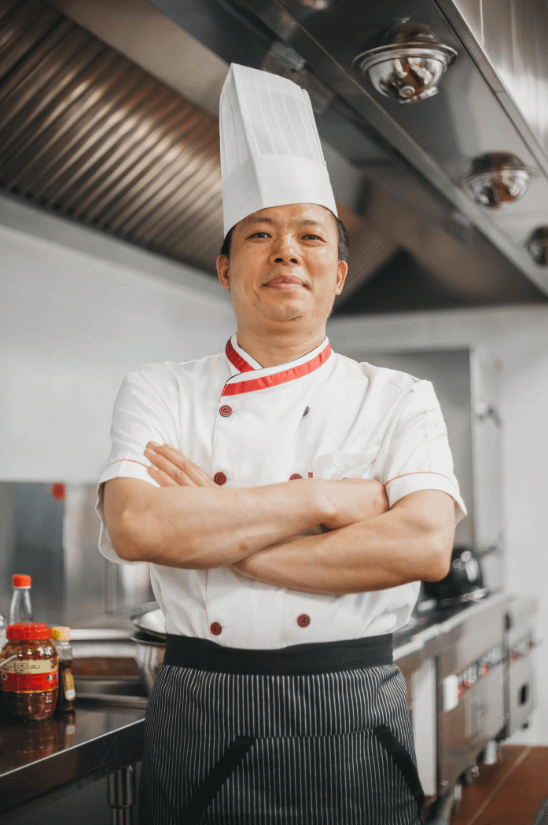
I’m 38 this year. I worked my way up from a kitchen apprentice to head chef at a hotel. When I was young, standing for more than ten hours a day was normal. I chopped vegetables until my hands went numb, and when things got busy, I didn’t even have time to eat. Later, a friend and I went into business together and opened a restaurant. When business was good, we turned tables several times a day, and I thought I’d finally made it. With more than ten years of savings and the restaurant’s profits, life at home gradually became more comfortable.
Later, a supplier who often came to the restaurant told me about Bitcoin. At first, I didn’t dare invest much, so I used a few tens of thousands of yuan to buy major cryptocurrencies. I caught a bull run, and my initial investment grew to more than 200,000 yuan at one point. I was genuinely happy then. I thought I could make money cooking and make money investing, and that I was one step closer to opening another restaurant of my own. But once you’ve tasted quick money, it’s easy to feel that the money you earn through hard work comes too slowly. I started studying futures trading, thinking I could make another big profit and bring my business plan forward by a few years.
As if things weren’t bad enough, my business ran into problems too. Rent went up, ingredient costs rose, and my business partner and I couldn’t agree on the direction of the business. Some of our funds were tied up and couldn’t be freed up. The restaurant still had money coming in on paper, but the cash we could actually use to cover expenses was getting tighter and tighter. I refused to face reality, thinking that if I could just make back the money with futures trading, all our problems would be solved. I got the direction right on my first few trades, and my confidence grew. I kept increasing my position size.
The real turning point came quickly. One day, the market suddenly reversed, and my account went from being in profit to showing a huge unrealized loss. Even when the price reached my planned stop-loss level, I felt that selling would mean admitting defeat. I kept thinking the price would eventually come back. It fell, so I added to my position; then it fell again. In the end, desperate to win back my losses, I even used money that I’d set aside to pay my employees’ wages. I still remember how it felt: my phone showed my losses growing, while my mind kept imagining that the next candlestick would save me. But the market didn’t save me. The restaurant’s financial hole only got bigger, and in the end, I had to leave the business partnership.
During that period, I worked at other people’s restaurants during the day and watched the markets and reviewed my trades at home at night. Some of the employees I used to work alongside would occasionally message me to ask how I was doing, and I could barely bring myself to tell them the truth. The hardest part wasn’t starting over. It was knowing that I had the skills and experience, yet letting things get worse and worse because I couldn’t accept what had happened.
Eventually, I came to understand: when a restaurant has problems, you need to look for the causes in the business accounts; when you lose money trading, you need to look for the problem in your trading rules. You can’t expect one futures trade to solve your business problems, debts, and wounded pride all at once. So I returned to my profession as a chef and put my experience to use, taking on projects in recipe development, menu design, and kitchen management to gradually rebuild my income.
I also set new rules for trading. Before every order, I check the trend and entry conditions, then set a stop-loss and determine my position size based on the stop-loss distance. I no longer add to positions based on a gut feeling. Losses on any single trade must stay within a range I’ve set in advance, and if several trades in a row go badly, I stop and review them. If the market doesn’t match my plan, I’d rather stay out than force a trade just to make money that day. I used to think that whenever I lost money, I had to make it back immediately. Now I understand that trading isn’t about proving a point to the market; it’s about managing every loss that might occur.
Over the past few years, I’ve gradually paid off my debts through restaurant management and recipe development, and I’ve started building up my savings again. I’ve also made some profits when the market conditions matched my plan, but I no longer treat trading profits as a steady income, and I would never risk my employees’ wages or my living expenses. I haven’t yet returned to the glory days of owning a restaurant, but life is stable now, and I feel much less restless. In the future, I want to focus on building my consulting business, then consider opening another restaurant of my own.
This experience taught me that a real comeback isn’t about making back all your losses overnight. It starts with stopping yourself from making the same mistakes. Running a business requires keeping track of costs, and trading is no different. Position size is a cost, a stop-loss is a bottom line, and knowing when to wait is a skill. You can lose money temporarily and start over, but don’t lose the capital you need to start again just to prove you were right.
If you also trade futures and want to join a group of people who are willing to discuss the market seriously, share their entry and exit logic, and review their trading experience, come learn with our team. We don’t make claims of guaranteed profits or promise overnight success. The focus is on putting trading plans, position sizing, and risk management into practice with every trade. There are always opportunities in the market; you don’t have to fight desperately to seize every one. Steady yourself first, and you’ll be ready when the next opportunity truly worth taking comes along.$IOST $AKE $MITO