The “world’s safest” hardware wallet you spent thousands on may have had a bugging device secretly installed before it left the factory—and that’s how $93 million vanished.
The biggest story in crypto this week isn’t whether BTC is up or down. It’s the “modified” Ledger hardware wallets.
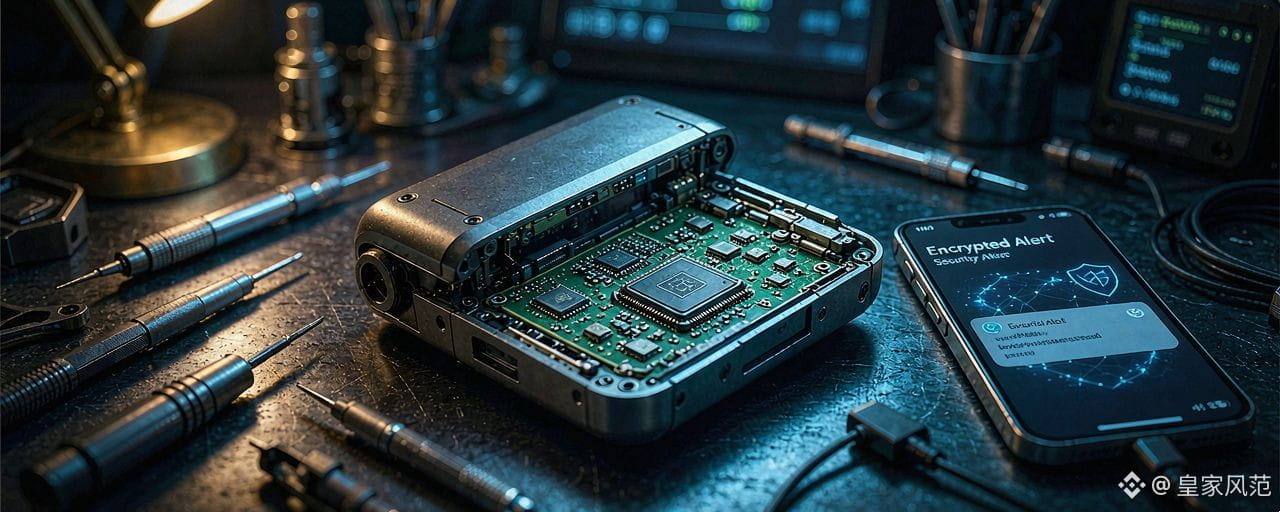
The method was devious: attackers bought genuine Ledger devices, took them apart, slipped a tiny circuit board with an LTE chip inside, then put them back into distribution channels to be sold. When you set one up, the 24-word recovery phrase appears on the screen—the chip reads it right then and secretly sends it to the attackers’ server via a SIM card (eSIM). Once you transfer in your coins, they remotely clone your private key and drain your wallet.
Ledger confirmed that some devices distributed by Southeast Asian reseller CryptoBilis were compromised. On-chain estimates put the losses at $86–93 million, with 300+ wallets drained. Tether froze around 10 million USDT. The wildest part? Ledger’s own systems, chips, and direct-sales channels were never hacked. The weak point was the supply chain between “leaving the factory” and “reaching the customer.”
Three tips to protect yourself:
Only buy from the official website or official direct-sales channels. Don’t be tempted by cheaper resellers—even authorized channels can be compromised.
Inspect the seal when it arrives. Don’t buy devices that are “unsealed” or “used but sold as new.”
Generate your recovery phrase only on the device screen, and never enter it on a phone, computer, or website. Anyone asking you to “enter your recovery phrase to restore” is 100% a scammer.
Hardware wallets aren’t absolutely safe—the supply chain is the weak link.
Are your coins on an exchange or in your own wallet right now? If even hardware wallets aren’t necessarily safe, which do you trust more? Comment A for exchange or B for self-custody.
#比特币 #硬件钱包安全
$$BTC
The biggest story in crypto this week isn’t whether BTC is up or down. It’s the “modified” Ledger hardware wallets.
The method was devious: attackers bought genuine Ledger devices, took them apart, slipped a tiny circuit board with an LTE chip inside, then put them back into distribution channels to be sold. When you set one up, the 24-word recovery phrase appears on the screen—the chip reads it right then and secretly sends it to the attackers’ server via a SIM card (eSIM). Once you transfer in your coins, they remotely clone your private key and drain your wallet.
Ledger confirmed that some devices distributed by Southeast Asian reseller CryptoBilis were compromised. On-chain estimates put the losses at $86–93 million, with 300+ wallets drained. Tether froze around 10 million USDT. The wildest part? Ledger’s own systems, chips, and direct-sales channels were never hacked. The weak point was the supply chain between “leaving the factory” and “reaching the customer.”
Three tips to protect yourself:
Only buy from the official website or official direct-sales channels. Don’t be tempted by cheaper resellers—even authorized channels can be compromised.
Inspect the seal when it arrives. Don’t buy devices that are “unsealed” or “used but sold as new.”
Generate your recovery phrase only on the device screen, and never enter it on a phone, computer, or website. Anyone asking you to “enter your recovery phrase to restore” is 100% a scammer.
Hardware wallets aren’t absolutely safe—the supply chain is the weak link.
Are your coins on an exchange or in your own wallet right now? If even hardware wallets aren’t necessarily safe, which do you trust more? Comment A for exchange or B for self-custody.
#比特币 #硬件钱包安全
$$BTC