



0.55% of the shares, worth $10.5 billion.
Musk bought SpaceX a piece ofpermanent political insurance.
Meanwhile, the crypto industry burned through billions on airdrops and had nothing to show for it but a mess.
It's time to do the math.
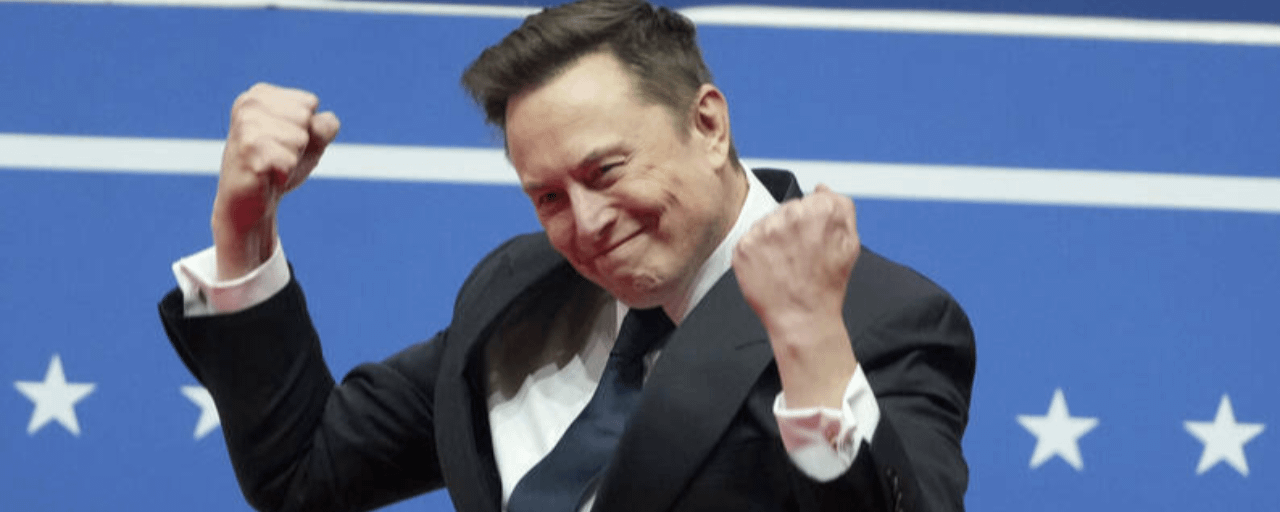
On October 19, 2026, Musk announced on X: next year, he would give one share of SpaceX stock to each of 72 million children across the United States. At $146 per share, the total value would be about $10.5 billion, just 0.55% of SpaceX's total shares.
The number isn't big. But the structure is brutally effective.
From now on, any politician who wants to break up SpaceX, tax it, or restrict Starship or Starlink will face not just a company, but 72 million “child shareholders.” This is regulatory capture through equity ownership. SpaceX has effectively become a “state-owned enterprise”—not because the state controls it, but because it controls the next generation's loyalty to it.
Crypto projects also use “incentive distribution”: airdrops, staking rewards, governance tokens. The logic is exactly the same: give out a stake, bring users in.
So how did that work out?
Delphi Digital tracked 3.7 million wallets over five years. Its conclusion was simple: the airdrop era is over. Across six major tokens, including Uniswap, Arbitrum, and Jupiter, 78% to 94% of recipient wallets sold most of their holdings within 90 days. Most of Arbitrum’s $1.16 billion airdrop ended up in the hands of users who left within a month. Sybil farms churned out accounts in bulk, and projects spent more effort fighting Sybil attacks than building products.
Musk distributed real, profit-generating equity and secured genuine alignment of interests. The crypto industry distributed highly volatile tokens and got airdrop farmers, Sybil attacks, and immediate sell-offs after listing.
When giants like SpaceX use a “generational airdrop” to turn users into shareholders, what does Crypto’s vaunted “token-based incentives” offer that can’t be replaced?
More ironically, tokenized equity itself is booming. The total market cap of tokenized stocks surged from $654 million to $3.8 billion in 2026, up 483% year to date. Binance’s bStocks and Robinhood are both racing to get a piece of the pie. The market is voting with its feet: what people want “tokenized” is real equity packaged into tokens—not an empty narrative dressed up as a token.
If equity, not tokens, turns out to be the best tool for distributing incentives—what are we building every day?
But this isn’t Crypto’s death knell.
Delphi’s report says airdrops are dead, but Hyperliquid absorbed the selling pressure by using over $1 billion in revenue for buybacks, while Jito survived by strictly limiting eligibility. MegaETH has locked 53% of its token supply behind performance targets, and Pendle uses 80% of its revenue to buy back tokens from stakers.
The direction is changing: from “free token giveaways” to “performance-linked” incentives.
That points directly to Crypto’s true path forward—not imitating equity distribution, but doing what equity can never do: permissionless global circulation, programmable allocation logic, and trust that doesn’t depend on a single entity. No matter how valuable SpaceX equity is, a developer in Africa can’t get it, and a retail investor in Southeast Asia can’t buy it. The borders of equity are national; the borders of tokens are the internet.
Musk proved with $10.5 billion that when it comes to “giving people real ownership,” equity is still the most effective tool.
But effective doesn’t mean exclusive. Crypto’s job isn’t to deny that—it’s to do what equity can never do.
Otherwise, we’re just reinventing stocks in a slower, more expensive, more fragile way.