

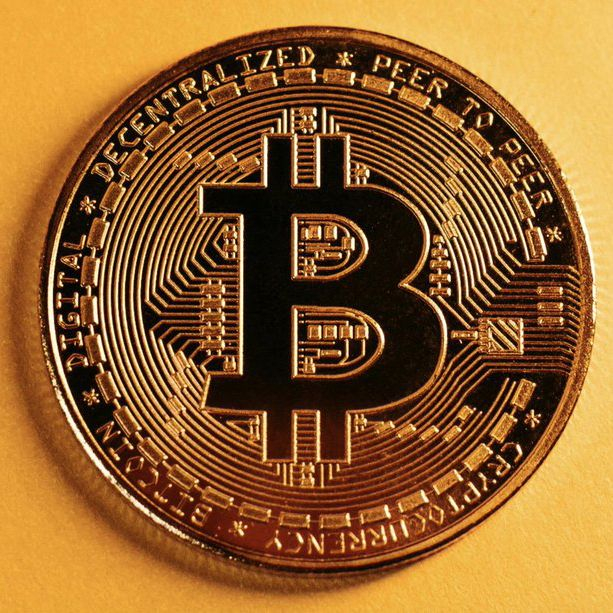
Bitcoin’s rebound has partially revived treasury buying, but the indiscriminate financing frenzy is unlikely to return.
In the week ending October 19, publicly listed companies worldwide made net purchases of about $360 million in Bitcoin, a 1,500% jump from two weeks earlier—but buying was highly concentrated. Strive accounted for $330 million, or 4,045 BTC, more than 90% of the total; Strategy bought just 267 BTC, worth about $22.1 million. Bitcoin hovered around $83,000, and the weekly MACD turned positive after 44 consecutive weeks in negative territory, providing a technical tailwind. But the companies actually stepping in are a small number that still have room to maneuver.
The funding mix has changed. Strategy has shifted its focus from convertible bonds to perpetual preferred stock, while buying back about $192 million worth of STRC during the same period—nearly nine times its Bitcoin purchases that week. Strive has relied on SATS, a perpetual preferred stock with a 15% annual yield, to increase its holdings. Financing hasn’t disappeared, but it has become more expensive and is no longer something just anyone can replicate.
The evidence that indiscriminate financing is fading is clear: BSTR’s merger with a SPAC stalled because PIPE financing could not be secured; DWF data shows that only four of the 20 largest digital asset treasury companies by assets still trade above the net value of their crypto holdings; and the combined market capitalization of the 50 largest Bitcoin treasury companies tracked by the FT has fallen from $150 billion in July 2025 to about $67 billion. The premium has vanished, depriving the flywheel of “issue shares—buy Bitcoin—increase Bitcoin per share—issue more shares” of fuel.
Bottom line: this is a narrow, structural recovery, not a broad-based restart of financing. Going forward, watch just two things: whether Strategy’s preferred stock can recover to par, and whether the perpetual preferred stock model can spread. Otherwise, this remains a one-company show among a handful of leaders.$BTC @Binance BiBi @币安广场
$ZEC