

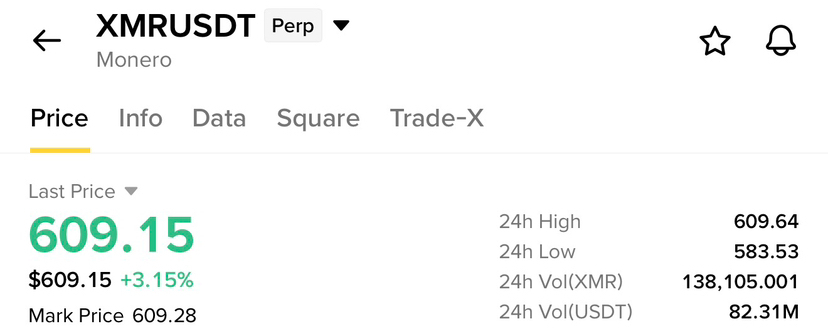


Guys, let’s talk about something interesting today because I have been looking closely at the privacy sector, and one thing that doesn’t make sense to me is how we compare Monero with Zcash.
Both are called privacy coins, both have their own narratives, and both are getting attention from the market.
But are they really offering the same level of privacy?
I don’t think so. Let me explain why.
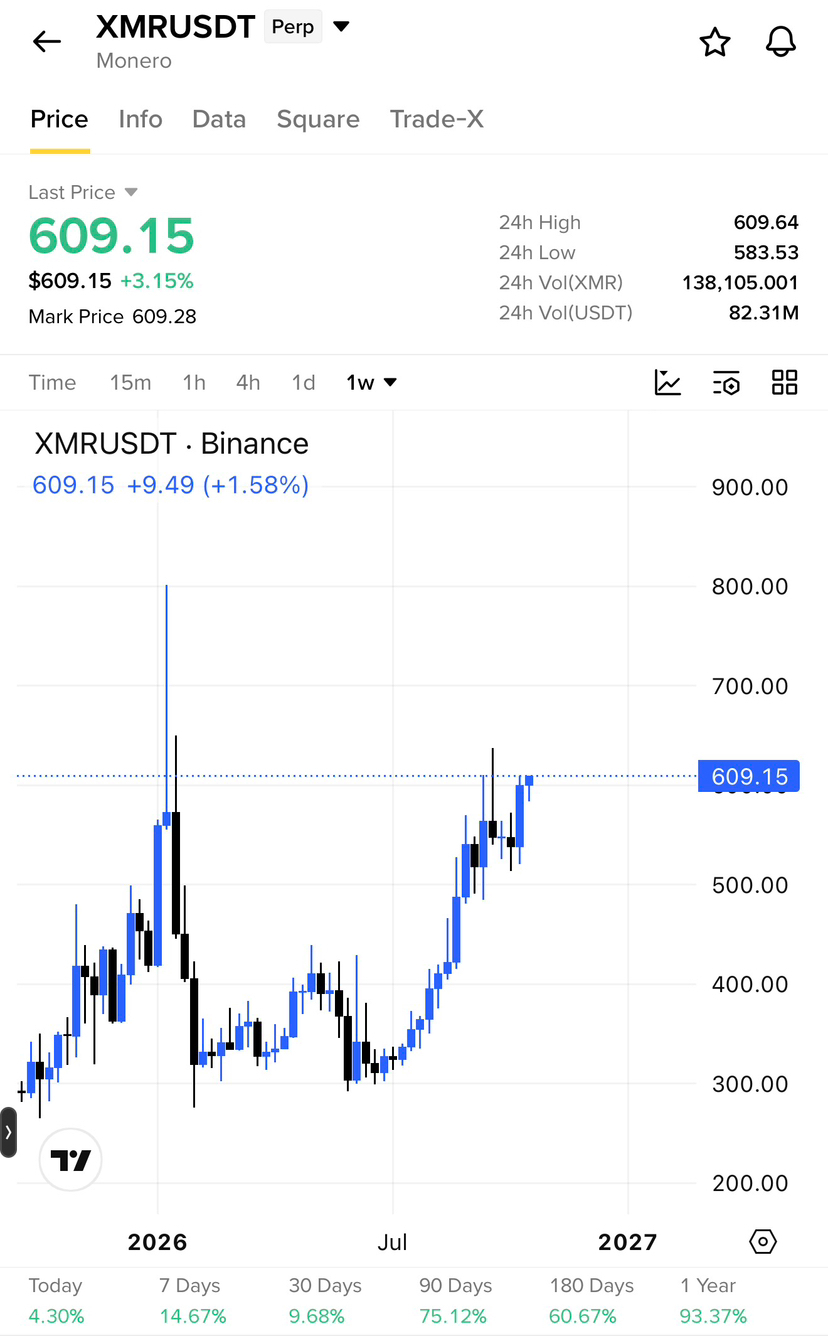
Monero $XMR — Privacy is the whole point
Let’s start with Monero.
The reason I put XMR in a different category is simple. Privacy isn’t an additional feature here. It’s the foundation of the entire project.
Look at how most public blockchains work. You can track wallet addresses, follow transaction histories, see how funds move and sometimes connect that activity to exchanges or real-world identities.
Now think about the problem with that.
Your money is yours, but why should everyone be able to inspect how much you hold, where you send it and how you use it?
This is exactly where Monero takes a different approach.
It uses ring signatures to make it harder to identify the actual output being spent, stealth addresses to protect recipients’ public wallet identities, and RingCT to hide transaction amounts.
The most important part?
Privacy is enabled by default.
You don’t have to make a separate decision to activate a privacy feature every time you send a normal transaction.
This is what makes Monero interesting to me. The network is designed around the idea that financial privacy should be a standard part of digital money, not something users have to remember to turn on.
And there is another important point here: fungibility.
Every unit of money should be interchangeable. You shouldn’t have to worry about whether your coins have a transaction history that someone might consider suspicious or unwanted.
Monero’s privacy model helps protect against that kind of history-based discrimination.
Of course, no system is perfect, and privacy on the blockchain doesn’t guarantee that your identity can never be exposed through exchanges, devices or other information.
But when we talk about privacy by design, XMR has a serious argument.
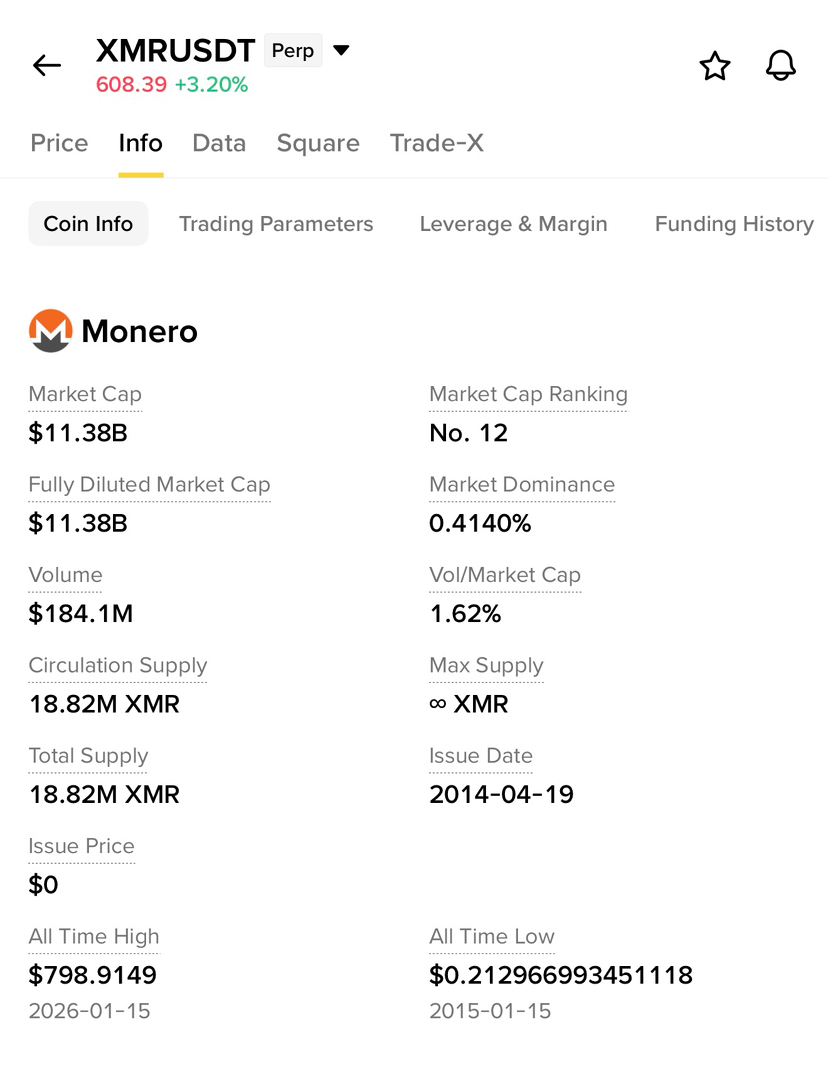
Now let’s talk about Zcash $ZEC
This is where things get interesting.
Zcash uses advanced zero-knowledge cryptography, specifically zk-SNARKs, to support shielded transactions. When a transaction is fully shielded, its sender, recipient and amount can be hidden from public blockchain observers
So let’s be clear: I’m not saying Zcash has no privacy technology. It absolutely does.
My question is about the model itself.
Zcash also supports transparent transactions, where addresses and amounts are publicly visible.
That means privacy depends on how the network is being used.
Some transactions are shielded. Others are transparent.
And this is where I see a major difference between XMR and ZEC.
Monero makes privacy the default.
Zcash gives users the option.
For me, these are two different approaches to the same problem, and we shouldn’t treat them as identical just because both projects fall under the privacy-coin category
But here’s the question I really want to ask
If privacy is the main selling point, shouldn’t privacy be the default?
Think about it.
When users can choose between transparent and shielded transactions, publicly visible activity still exists across the network. Transfers between transparent and shielded addresses can also reveal information about the movement of funds.
This doesn’t automatically mean Zcash’s shielded transactions are weak. Its cryptography is a serious part of the project.
But the overall privacy model is different.
And personally, I find Monero’s approach more aligned with what I expect from a privacy-focused digital currency.
I don’t want privacy to feel like an optional setting. I want it to be part of the system from the beginning.
That’s the distinction I think the market needs to understand.
And what about regulation and institutional adoption?
Now comes the part that makes me even more curious about the privacy sector.
We are talking about cryptocurrencies designed to hide transaction details, while governments and financial institutions operate under rules that often require transaction monitoring, reporting and compliance.
So how does a privacy-focused asset fit into a regulated financial product like an ETF?
This is a fair question, especially when we discuss Zcash.
But we need to separate two things.
An ETF gives investors exposure to an asset through a regulated investment vehicle. It does not automatically give regulators the ability to decrypt every private transaction on the underlying blockchain.
Zcash’s viewing keys can allow transaction information to be disclosed by someone who has the relevant key. However, that is not the same as saying authorities possess a universal master key to access every shielded transaction.
The real debate is about how privacy, custody, compliance and institutional investment can coexist.
And I think this is an important issue for the entire privacy sector, not just ZEC.
A project can offer powerful privacy technology while still operating in a world where exchanges, custodians and regulators have their own requirements.
We shouldn’t confuse regulatory acceptance with proof that a network has weak cryptography. Equally, we shouldn’t assume that an ETF makes every aspect of a privacy-focused asset acceptable everywhere.
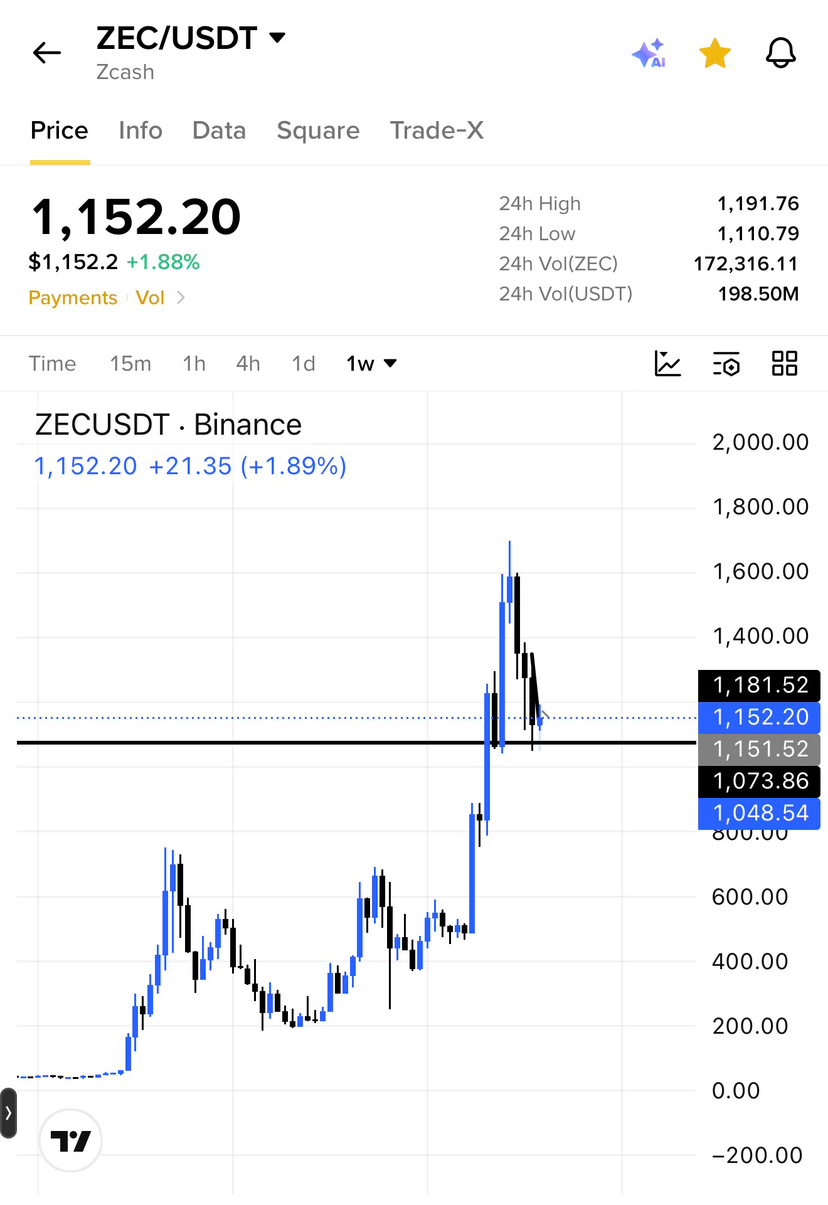
My take on XMR vs ZEC
Guys, I’m looking at this from the perspective of what a privacy coin is supposed to deliver.
With Monero, privacy is built into ordinary transactions by default.
With Zcash, users have access to advanced shielded transactions, but the network also supports transparent transactions.
That is the difference I care about.
I’m not saying ZEC’s technology is useless. I’m saying that calling both projects privacy coins doesn’t mean their privacy models are the same.
For me, Monero has the stronger case when the discussion is specifically about privacy by default and consistent transaction confidentiality.
Zcash has its own strengths, particularly its zero-knowledge technology and optional transparency.
But I still have questions about whether optional privacy is the right approach for a project whose main identity is built around financial privacy.
And that brings us to the bigger picture.
The privacy sector isn’t just about charts, market caps or which token pumps harder. It’s about what these networks actually offer, how people use them and whether their design can sustain adoption over the long term.
A strong narrative can bring attention to a token, but the technology and real-world utility are what we should be examining.
My question to you guys: If privacy is the main purpose of a cryptocurrency, should it be mandatory by default, like Monero, or optional, like Zcash?
I want to hear your arguments on this one.