

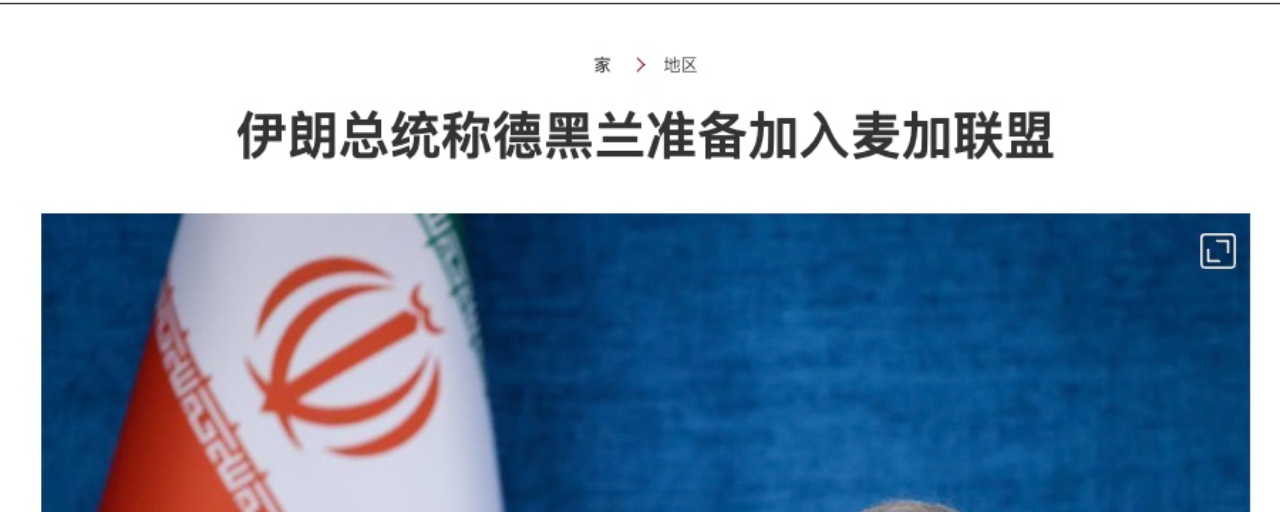

Iranian leadership shifts policy—unite the Middle East and keep up pressure on the U.S. Can it work? Egypt steps up its support for Saudi Arabia!
With about two weeks to go before the U.S. midterm elections, Iran's leadership has sent a series of signals. The core message is to unite the Middle East and increase pressure on the U.S., in an attempt to change the regional landscape.
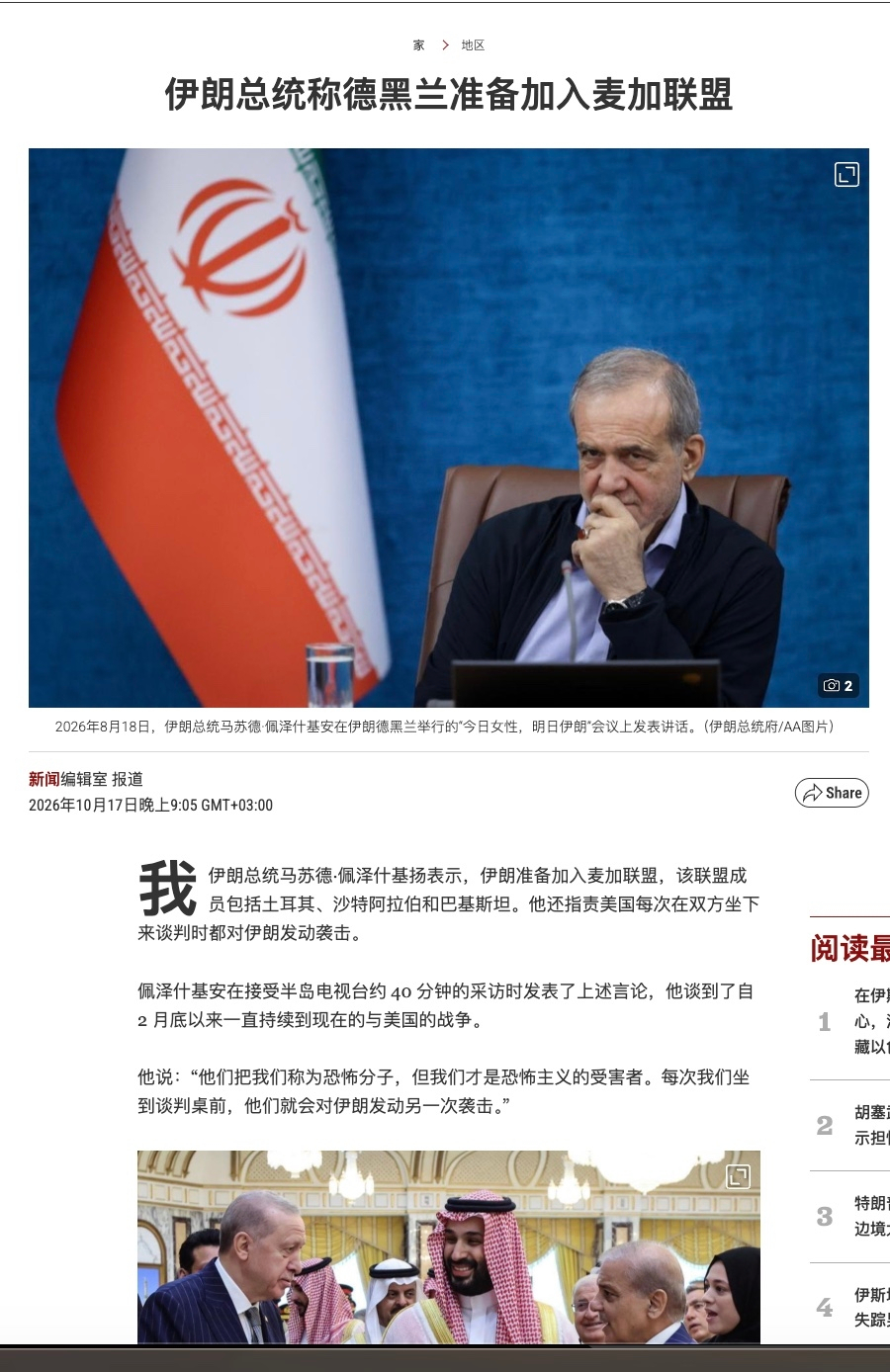
1. Iran's president has explicitly stated that Iran is ready to join the Mecca Joint Defense Alliance, and has conveyed this message to Saudi Arabia through Pakistan's president. If Iran succeeds in joining, it would lay the initial foundations and structure for a Middle Eastern NATO. However, the bar for success is high. On the one hand, the Houthi forces backed by Iran have long been engaged in military conflict with Saudi Arabia, causing heavy losses. On the other hand, Saudi Arabia and Iran have a deeply adversarial relationship. Would Saudi Arabia really agree to Iran joining? #比特币突破8.3万美元
2. Media reports say the Iranian military has stepped up attacks on vessels in the Strait of Hormuz, betting on high-pressure diplomacy ahead of the November 3 midterm elections. Given that Trump spoke with Russia last week in an apparent attempt to use policy to push energy prices down, Iran is clearly striking back.
However, with only two weeks left until the election, even if Trump delays things by a week, whether he opts for confrontation or conciliation may not change the odds in the midterms. Will Trump change course?

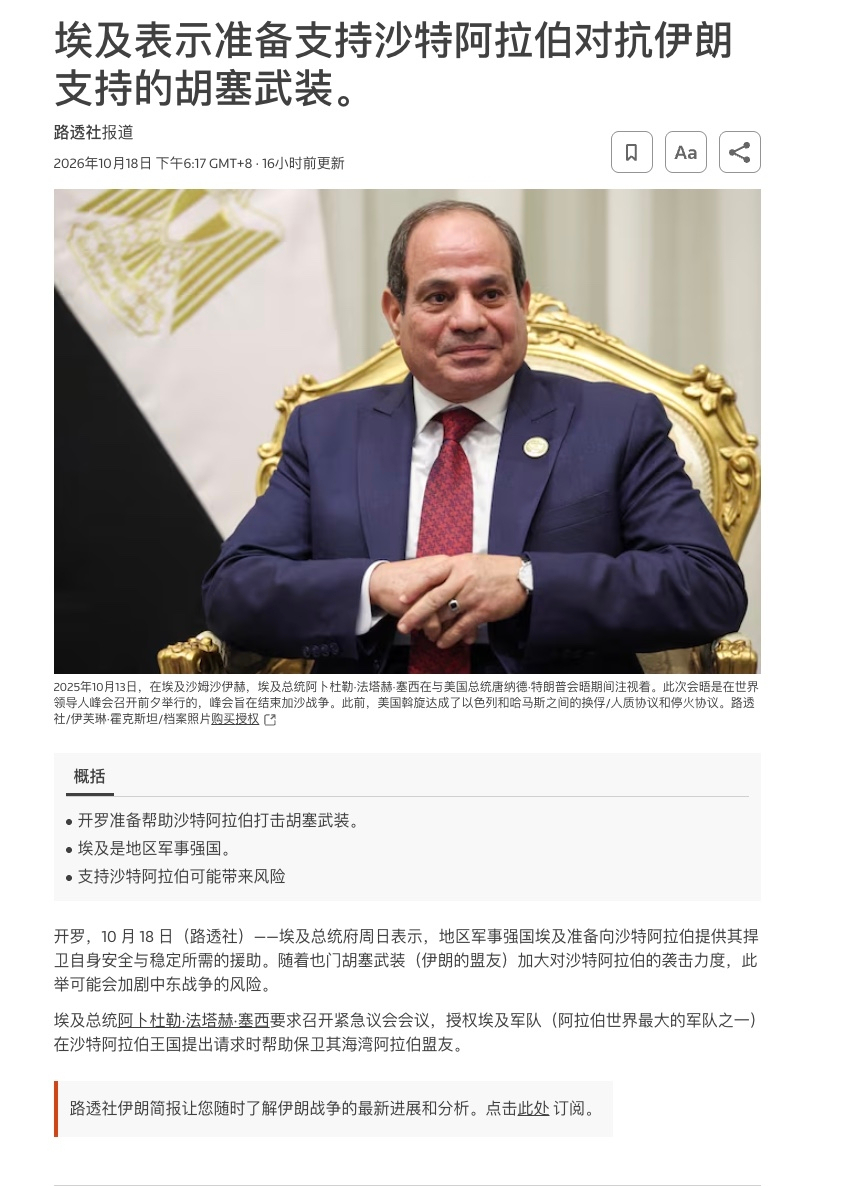
3. Egypt’s support for Saudi Arabia has gone from being “ready to support” to receiving formal approval from the country’s highest national security body. This move effectively raises the risk of an escalation in the war between Saudi Arabia and the Houthis. If Egypt and Pakistan become involved in the conflict between Saudi Arabia and the Houthis, it could amplify geopolitical risks in the Middle East.
Taken together, the three developments so far have not caused Brent prices to rebound in the short term, but they have heightened tensions. From the current perspective, the next two weeks could bring both an escalation in US-Iran risks and an opportunity for a breakthrough.
My view is unchanged: the key period to watch remains October 27 to November 3, the window between the end of Netanyahu’s election and the US midterm elections. If Netanyahu wins, his hard-line stance toward Iran should ease somewhat, making this the period most likely to bring a turning point in US-Iran relations.
This week, the market will continue to face high energy prices amid heightened US-Iran tensions. That is the worst-case scenario. And if the US and Iran fail to reach an effective agreement by October 27–November 3, the risk of conflict between them could rise further after November 3!
This week, if Brent cannot break below $105, it will remain under pressure overall. Even positive results from key earnings reports, including Meta’s, would not be enough to turn things around. A break below $100 could let earnings reports lift the market; below $95, the market could be boosted directly, regardless of earnings.