October Trading Journal
Looking back on my Nasdaq trades over the past few days, I have mixed feelings. The lessons have left a much deeper impression than the brief profits.
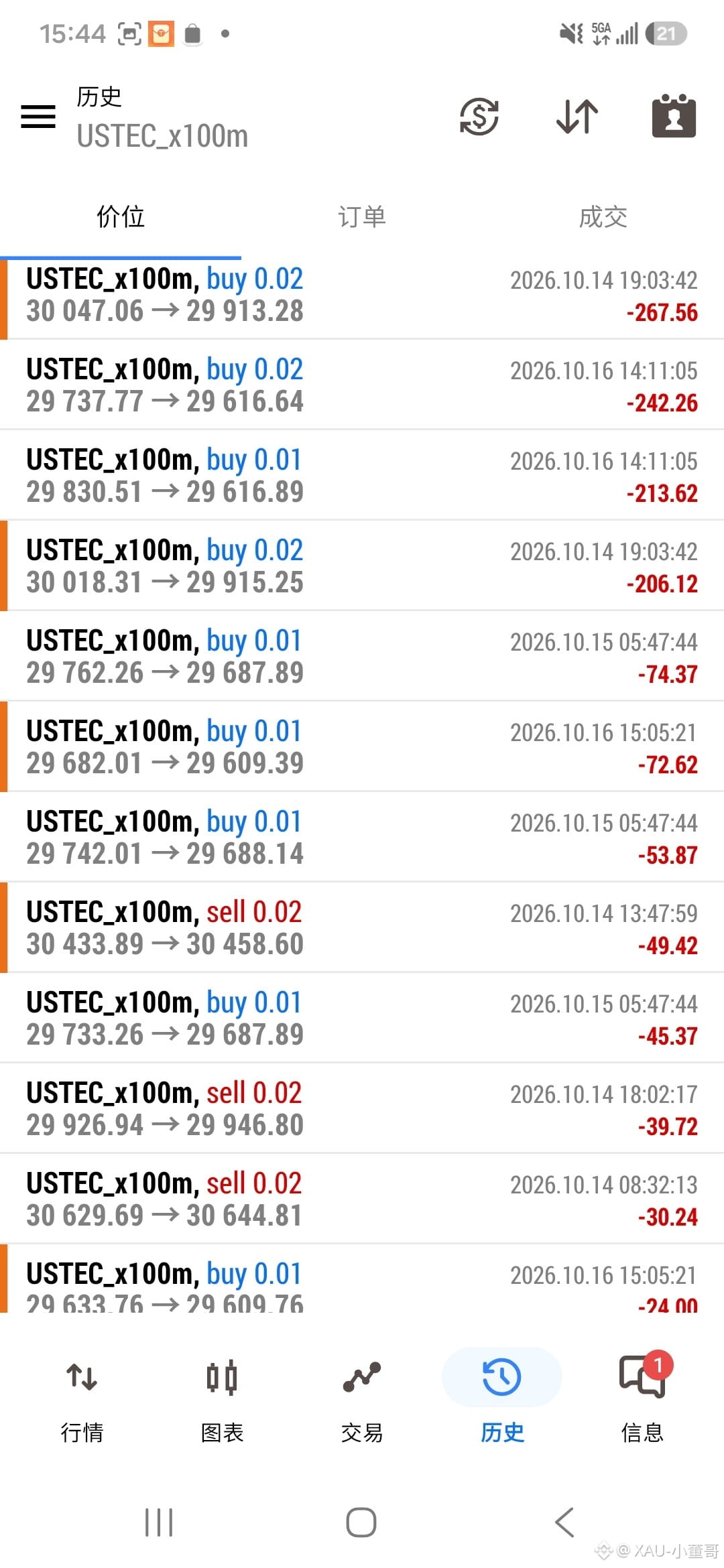
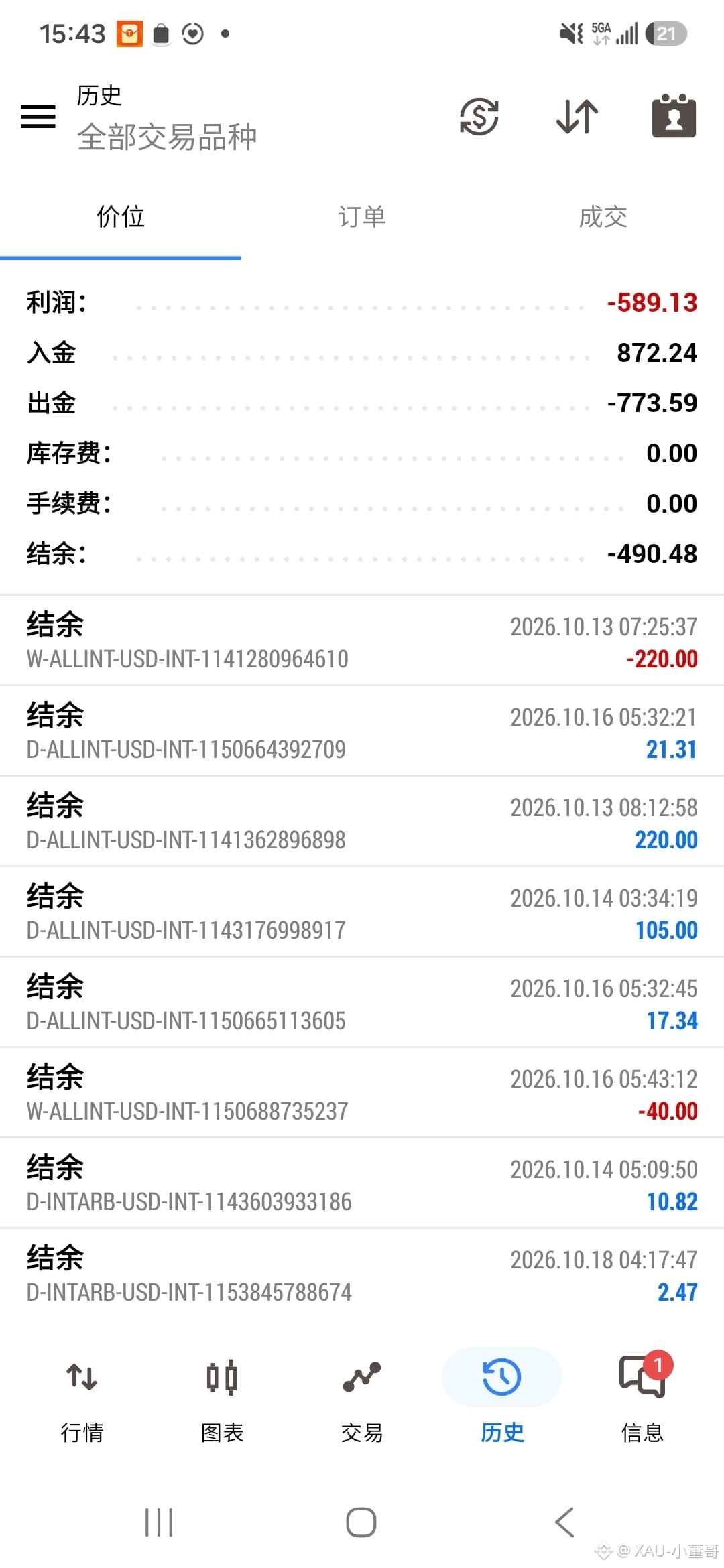
On October 13, I started with $500. The market was in my favor, and I grew the account to $1,280. That was a very good result, but I took a countertrend trade and failed to take profits in time, giving back all $860 in profits I had made.
By October 14, I re-entered the market with $230 and seized another opportunity to grow my account to $880. The same problem happened again: I held a countertrend Nasdaq position and gave back another $550 in profits.
Looking back at the entire trading cycle on the 13th, I started with $500 and ended with $500, breaking even. But when I look closely, I gave back more than $1,300 in total Nasdaq profits. These weren't imaginary numbers—they were gains I should have locked in, but I handed them back to the market because of my own actions.
The root cause is clear: I failed to follow my trading rules and let my emotions take over. After a run of wins, I became complacent, convinced the market would move the way I expected. Even though I was trading against the trend, I refused to take profits and exit according to plan, greedily hoping to make even more. When the market reversed, I couldn't bring myself to close the position and watched my profits steadily shrink.
Your greatest enemy in trading is always yourself. The fact that I can grow a small account shows that my entry decisions have potential. But failing to protect my profits is the biggest flaw in my trading system. I can make money when the market gives me opportunities, but once I lose control of my mindset, I give all those profits back.
I have to make changes from here on: stick to my established trading rules, distinguish between trending and countertrend conditions, never hold countertrend trades for long, set take-profit levels, and lock in gains once they reach my target. No more emotional entries or holding losing positions—keep my greed in check. Making profits takes skill, but protecting them is the key to long-term survival.