The AI Boom Has a Hidden Risk: What Kevin Warsh’s Latest Remarks Mean for Markets
Artificial intelligence is becoming a major force in the global economy, but its rapid growth may create challenges that investors should not ignore.
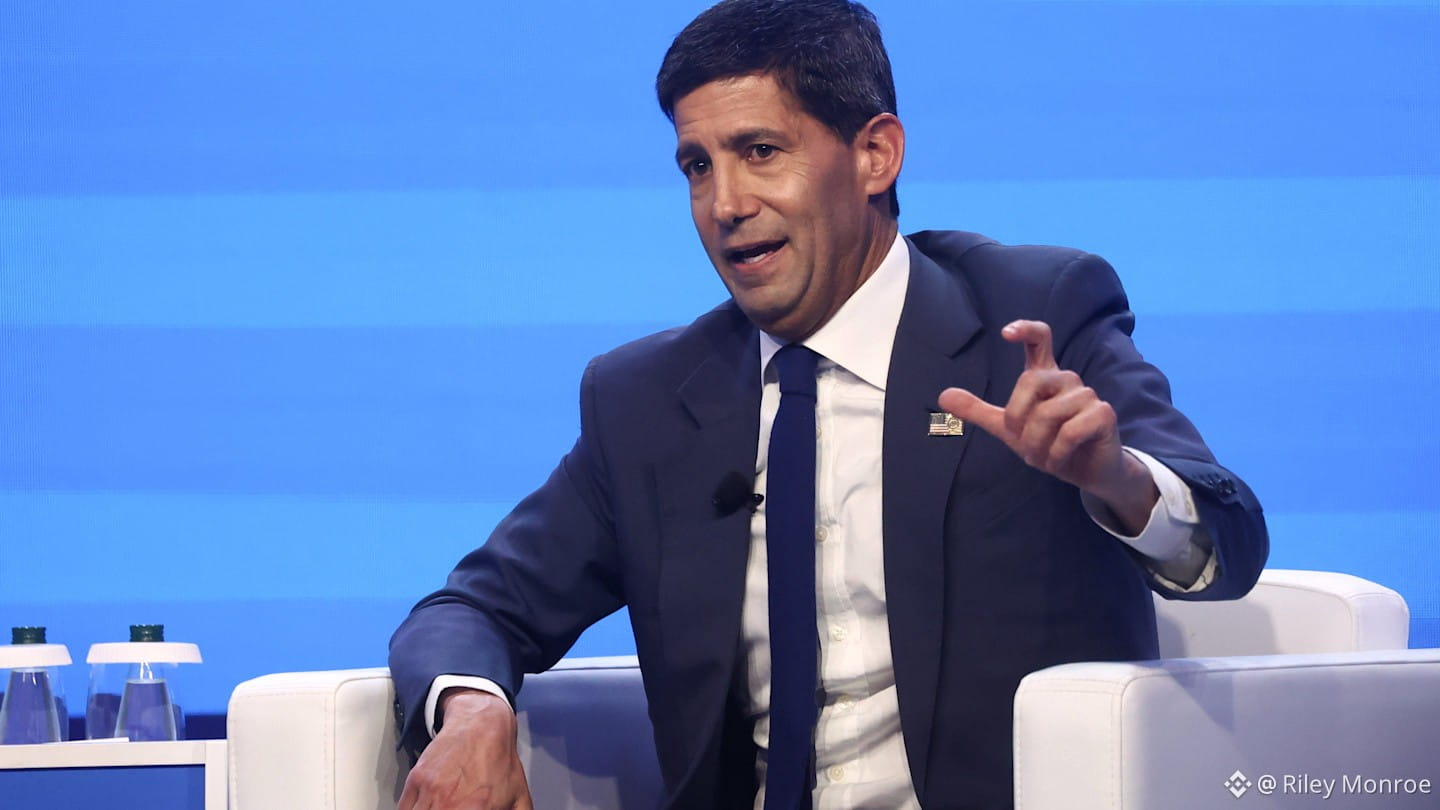
During the IMF and World Bank meetings on October 16, Federal Reserve Chairman Kevin Warsh discussed the strength of the US economy and the growing impact of AI investment. He expressed optimism about the long-term productivity benefits of the technology while acknowledging that the transition could be uneven.
The important point is that investment comes before productivity gains. Companies are spending heavily on data centres, computing equipment, chips and electricity infrastructure. This spending supports economic activity, but it can also increase demand and put upward pressure on prices before efficiency improvements become widespread.
For the Federal Reserve, this creates a difficult balance. Strong investment can support growth, but persistent inflation may limit the scope for interest-rate cuts. Warsh did not provide a clear signal about the next rate decision, making upcoming economic data especially important.
Financial markets often react positively to AI growth because investors expect higher productivity and corporate earnings. Yet the same investment boom can complicate monetary policy if demand pushes prices higher. That is why the AI story is not automatically bullish for every asset.
For crypto investors, the connection is indirect but important. If inflation remains elevated and interest rates stay high, speculative assets could face pressure. If AI eventually improves productivity and helps moderate costs, the longer-term economic picture could become more supportive.
My view is that investors should separate the AI narrative from the actual economic results. Watch corporate spending, productivity trends, inflation data and central-bank policy rather than assuming that technological progress guarantees a market rally.
$NVDAB #USPPIRises6.3%YearOverYear