
Here’s a hard truth: many retail traders don’t lose because they can’t read candlestick charts. They lose because even after they’re already in the red, they still insist on proving they can win it back. The more they lose, the more desperate they get to break even; the more desperate they get, the bigger they bet. In the end, they even blow the money they need to live on. Today, I’m sharing one follower’s story. By the time you’ve read it, you’ll understand why some people trade crypto for years before they truly learn how to trade.
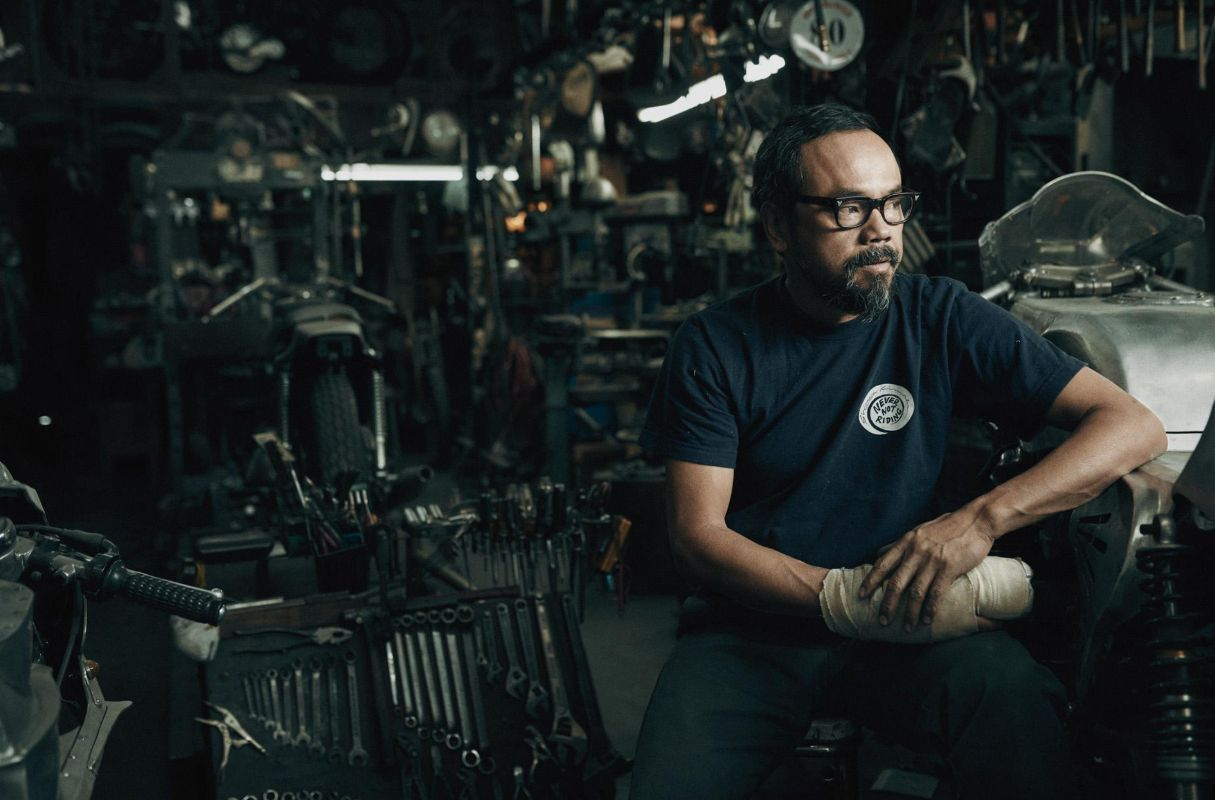
A few days ago, I had a long talk with a 38-year-old guy. He started learning how to repair motorcycles at 18 and opened his own shop at 26. Through his skills and reputation, he saved up over 400,000 yuan. Life was steady and comfortable—until a regular customer told him about Bitcoin. Curious, he decided to give crypto a try. At first, he only traded spot, buying a few major coins and selling them off in batches when prices rose. His account was up quite a bit for a while. For the first time, he felt that making money didn’t have to mean spending every day tightening bolts and replacing parts.
But one of the easiest mistakes to make is thinking you know everything as soon as you’ve had a little success. He thought spot trading was too slow, so he started trading futures. His first long trade made him a few thousand yuan, and he was so excited he couldn’t sleep that night. Before long, he grew bolder and kept increasing his position size. He went from strictly following his stop-loss to telling himself, “I’ll wait a little longer—it’s bound to bounce back.” Then one day, the market suddenly reversed. His unrealized profits disappeared, and his principal began to shrink too. Unable to accept the loss, he chased the market with a short; as soon as he entered, it bounced. He flipped to a long, and the price plunged again. After several swings back and forth, his account was practically wiped out. He thought he could make his money back by catching just one big move, so he transferred money he’d set aside for the shop’s working capital into his trading account.
As if things weren’t hard enough, around that time several chain repair shops opened nearby, taking a big chunk of his business. Rent was due, employees had to be paid, and his family had expenses too—everything came pressing in at once. His wife finally couldn’t hold back and asked, “Where exactly is the money from the shop going?” He said that moment felt worse than getting liquidated. The numbers on a candlestick chart could be earned back, but his family’s trust wasn’t something he could restore with a single click on “Buy.”
Later, he did something he’d never have agreed to do before: he stopped trading. He dug out his old trade records and reviewed them one by one. That’s when he realized he wasn’t losing money because he got the direction wrong every time. He often changed his plan after a loss, forcing his way into trades when there was no good opportunity. Even when his position was already too large, he kept thinking he could just ride it out a little longer. He began setting rules for himself again: never touch the shop’s working capital or the family’s living expenses; keep only spare money he could afford to lose in his trading account; before every trade, decide where the stop-loss goes, accept it when he’s wrong, and never mistake hope for a trading strategy; strictly limit the risk on each trade; and after a string of losses, stop and review instead of letting his anger drive the next trade.
For example, he used to see BTC suddenly surge and, afraid of missing out, want to go all in at once. Now, he waits for the price to pull back to a key level and watches to see whether the trend stabilizes. If the price invalidates his original trading thesis, he exits according to plan. If there’s no good entry, he’d rather stay out of the market. He said the hardest part wasn’t learning to draw lines—it was watching other people make money and still managing to sit on his hands.
The closest call came after he’d just taken a loss and then saw the market plunge. His finger was already on the button to confirm a short position. He was thinking he could make one more trade and win back what he’d lost. But in that moment, he suddenly remembered the days when he’d chased trades one after another and lost the shop’s money. Somehow, he managed to stop himself. The market did keep falling, but he didn’t regret sitting it out. Instead, he was relieved he hadn’t acted on impulse again. He said, “I used to dwell for days on the moves I’d missed. Now I’m more afraid of giving back everything I worked so hard to protect just to catch one market swing.” When an opportunity later came along that fit his plan, he reassessed the risk before trading—not to prove anything to himself.
Of course, changing a few rules didn’t suddenly make him rich overnight. The repair shop gradually became more stable, and he began trading with more discipline, but there were still gains and losses along the way. Now he sees the shop’s income as the foundation of his livelihood and futures as a high-risk trading tool, not a lifeline. He’s paying off his debts bit by bit and rebuilding the family’s emergency fund. He told me something very down-to-earth: “I used to watch my account every day, wondering when I’d make back those hundreds of thousands. Now I first think about whether I can balance the shop’s books this month and whether we have enough money for the family.”
Guys, this is exactly why I wanted to tell this story. In crypto, everyone wants to catch a big move and turn a small amount of money around quickly. But the people who can last aren’t the ones constantly trying to call the top or bottom. They’re the ones who know when to act, when to admit they’re wrong, and when to keep their hands in their pockets. **Position size determines whether you can withstand volatility, stop-losses determine how much it costs when you get a trade wrong, and emotions determine whether one mistake turns into a string of them.** If you haven’t mastered these three things, learning more indicators may just give you excuses for acting on impulse.
I’ve always believed that the biggest danger in trading isn’t getting a late start—it’s falling again and again without being willing to figure out why. If you’re also repeatedly chasing pumps and dumps in futures, or always taking profits too early while stubbornly holding on to losing trades, come join our team and review trades with us. We discuss entry logic, position sizing, and stop-loss discipline. We don’t create a buzz by shouting slogans every day. Joining the group isn’t about copying someone else’s trades, and it certainly isn’t a guarantee that you’ll turn your fortunes around. The hope is that we can bring more structure to our trading together and avoid paying unnecessary tuition. There will always be another market move. What’s truly scarce is being able to wait for the next opportunity with your capital—and a clear head—still intact.$SNDK $SKHYNIX $SPCX