

#nil $NIL @Nillion
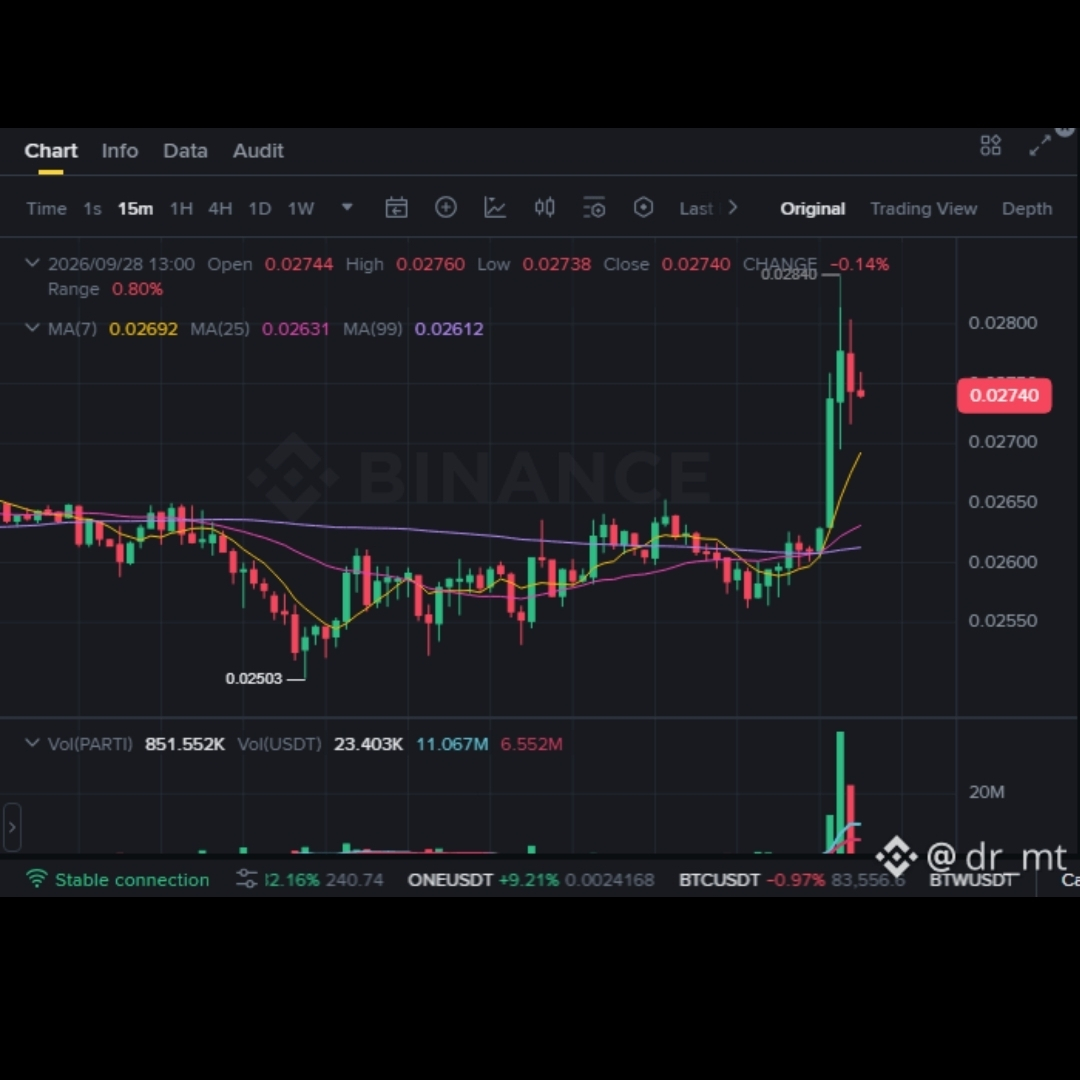
Many people, at times like these, focus first on the price.
But I’d rather focus on another number: how many people actually need Nillion’s technology?
Nillion isn’t trying to “build another, faster blockchain.” It’s tackling an increasingly real problem:
When AI and Web3 need to process large amounts of sensitive data, can we compute and collaborate without exposing the raw data?
If this need continues to grow, then Nillion’s value shouldn’t come solely from $NIL in transactions. It should depend more on how much this network is actually being used.
So I won’t just keep my eyes on the next candlestick on the chart.
What I care more about is this: Will developers stick around? Will more and more applications emerge? Will privacy-preserving computation go from a concept that sounds cutting-edge to infrastructure that people use every day—perhaps without even realizing they’re using it?
If one day the answer to all these questions is “yes,” then maybe that’s when the real story of $NIL begins.
Many people, at times like these, focus first on the price.
But I’d rather focus on another number: how many people actually need Nillion’s technology?
Nillion isn’t trying to “build another, faster blockchain.” It’s tackling an increasingly real problem:
When AI and Web3 need to process large amounts of sensitive data, can we compute and collaborate without exposing the raw data?
If this need continues to grow, then Nillion’s value shouldn’t come solely from $NIL in transactions. It should depend more on how much this network is actually being used.
So I won’t just keep my eyes on the next candlestick on the chart.
What I care more about is this: Will developers stick around? Will more and more applications emerge? Will privacy-preserving computation go from a concept that sounds cutting-edge to infrastructure that people use every day—perhaps without even realizing they’re using it?
If one day the answer to all these questions is “yes,” then maybe that’s when the real story of $NIL begins.