

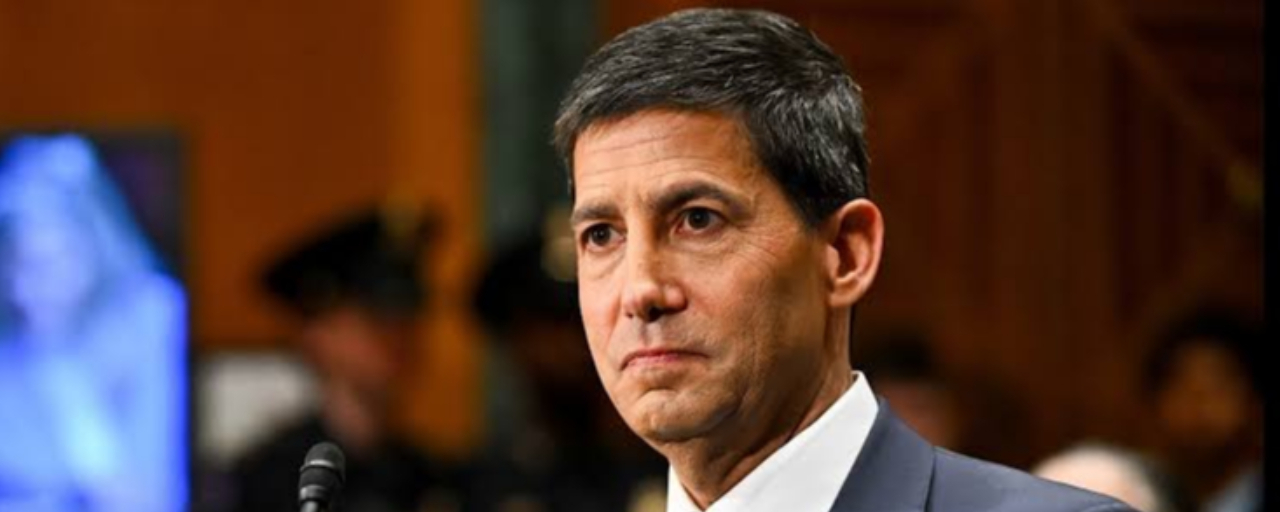

Kevin Warsh, Chairman of the Board of Governors of the Federal Reserve System and a voting member of the Federal Open Market Committee (FOMC) in 2026 through his permanent Board of Governors seat, called artificial intelligence the “most consequential” development of his lifetime in a Q&A with IMF Managing Director Kristalina Georgieva.
He believes AI is a positive demand shock that will change the economy. The path will be bumpy and could hit employment, he said, but he expects it to lead to more prosperity.
Inflation, though, is a global problem. Warsh flagged an inflation surge in the world economy and stressed that neither inflation nor the anti-inflation effort stops at US borders.
He is not forecasting what the Fed will do. At home, he sees “plenty of tailwinds” from the investment boom in the US. Looking “outside the window,” he sees structural growth and an investment surge that came not by accident but because of good policy.
Warsh then turned to the Fed itself. Its power comes from “institutional credibility,” he said, but doing things as it always has is not good enough. He wants task forces to produce “new intellectual property” and hopes to catalyze “new thinking.” He welcomes the acceptance of new ideas from the Fed and the G-20, and he is optimistic about the future.
Key Quotes:
AI & Productivity
AI the ‘most consequential’ development in lifetime and believe it’s a positive demand shock; to change economy
On the way to AI’s future, to be bumpy; could affect employment, but ultimately to lead to more prosperity
Inflation
In the world economy, also an inflation surge; not forecasting what will do
Inflation not confined to US, neither are anti-inflation effort
Growth & Economy
‘Plenty of tailwinds’ from investment boom in US
Looking ‘outside the window,’ have structural growth, investment surge, not by accident but because of good policy
Optimistic about the future
Fed Leadership & Legacy
Volcker, Greenspan and Bernanke ‘met the moment,’ left an incredible legacy; world changing faster than ever
Being on the Fed board before allows more fresh perspectives; see ‘brilliant’ people in Fed with new ideas
Institutional Change & New Ideas
Power of Fed comes from ‘institutional credibility;’ not good enough to do things as always have done
Looking for task forces to produce ‘new intellectual property;’ hoping to catalyze ‘new thinking’
Welcome the acceptance of new ideas from Fed and from G-20