


The crypto industry is just like life: some people buy up coins at yet another peak because of FOMO, some go gray watching 15-minute charts, and others simply buy bitcoin regularly and go to sleep for five years. We’ve sorted crypto enthusiasts into five distinct investor types, each with their own strategies and fatal weaknesses. Find out which one you are.
1. HODLer
Strategy: “buy and hold,” aiming to benefit from cryptocurrency price appreciation over several years
The word originated from a typo of “hold” in a Bitcointalk forum post. The typo became a meme and caught on in crypto slang. It refers to an investor who holds cryptocurrency for a long time and doesn’t give in to panic, even during a sharp market downturn.
A HODLer’s portfolio might include bitcoin or Ethereum, for example. But there’s no set combination of coins for a HODLer. They choose the assets they believe have long-term potential.
Notable HODLers
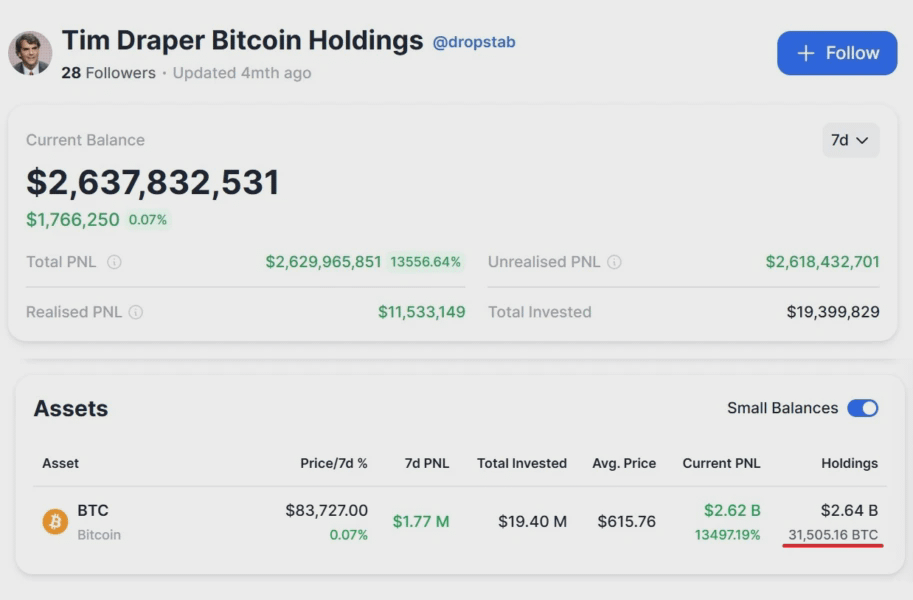
In 2014, venture capitalist Tim Draper bought around 30,000 bitcoins. In a 2022 interview, he said he hadn’t sold them and continued to buy more.
In 2020, Strategy founder Michael Saylor wrote that he owned 17,732 bitcoins. In 2024, he told Bloomberg that he had kept all those coins and continued investing in bitcoin.
2. Trader
Strategy: short- and medium-term trading to profit from price fluctuations
Buys various cryptocurrencies during price dips and sells them when prices rise. Trading may involve technical analysis, exchange order books, derivatives (futures and options), and leverage. Depending on the strategy, positions may be opened and closed within a single day or held for several days or weeks.
Notable traders
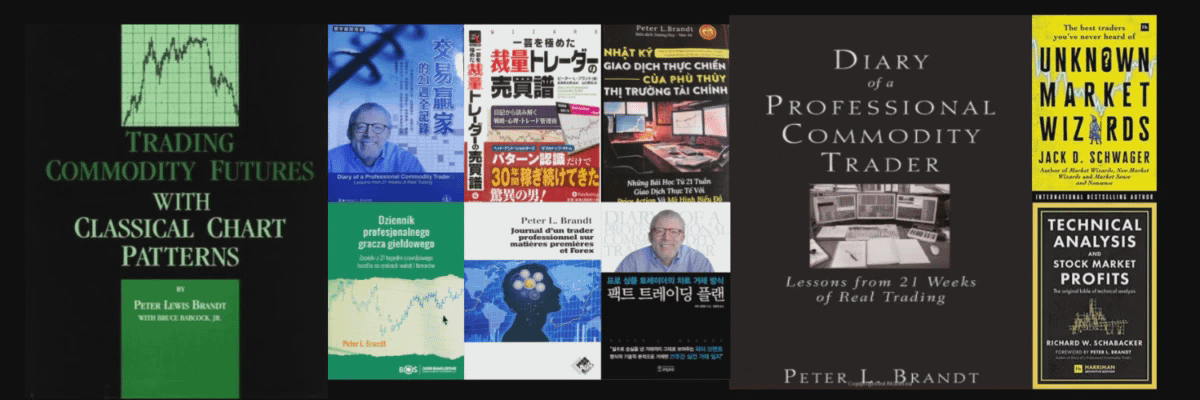
Peter Brandt is a professional trader who works in both traditional markets and cryptocurrency, trading with his own capital. In an interview with the CFA Institute, he described his approach this way: it’s important to manage risk, cut losses quickly, and let profits run. He said that when a trade becomes profitable and is going well, he tries to resist the temptation to take profits too soon.
3. Bitcoin Maximalist
Strategy: invests only in bitcoin
Bitcoin maximalists consider bitcoin the only cryptocurrency with long-term value and are skeptical of altcoins. They believe other cryptocurrencies are inferior in terms of reliability and decentralization. To them, bitcoin is the foundation of the future monetary system or a way to preserve wealth over the long term.
Notable Bitcoin maximalists
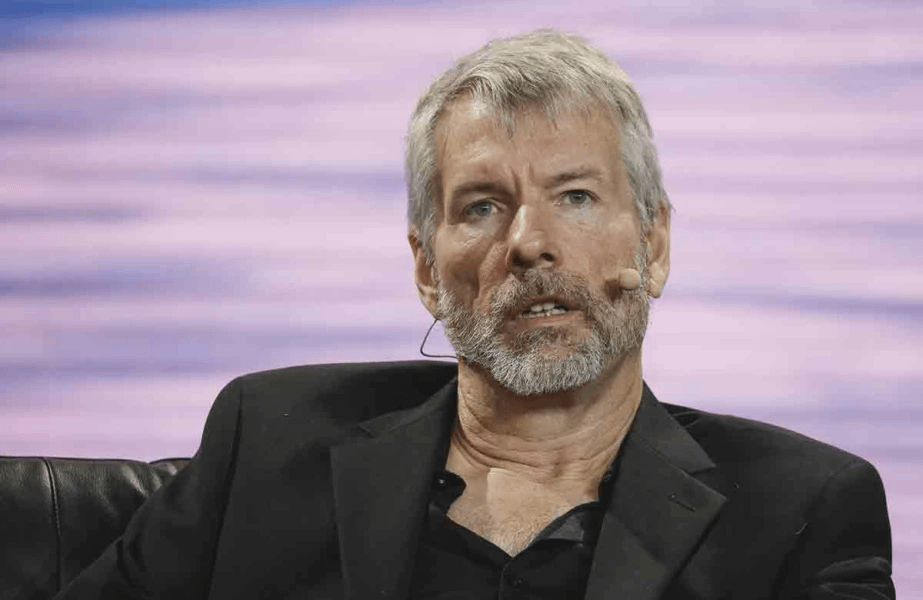
In a 2022 interview with Forbes, Strategy founder Michael Saylor openly called himself a Bitcoin maximalist. In his view, bitcoin is the only truly decentralized cryptocurrency with no issuer.
In 2021, Block CEO Jack Dorsey said that he considered most blockchains centralized because they were controlled by venture capital firms and their investors. He singled out bitcoin as an exception.
4. Altcoin Hunter
Strategy: searches for undervalued and little-known coins to invest in
Can name dozens of coins most people have never heard of. The hunter actively searches for promising projects and tries to spot opportunities before others do. They may make large bets but sell assets quickly if they realize they were wrong.
Notable hunters
One example of an investor who identified crypto projects at an early stage is Kyle Samani, co-founder of Multicoin Capital. His fund began investing in the SOL token and the Solana ecosystem back in May 2018—almost two years before the mainnet launch.
5. Yield Farmer
Strategy: lends out cryptocurrency and provides it for exchange transactions to earn income
These investors place their assets in DeFi protocols—for example, on decentralized exchanges and lending platforms—where the assets are used for financial transactions. Their main goal is to earn interest, a share of trading fees, and token rewards.
Notable yield farmers
Entrepreneur and investor Mark Cuban provided liquidity on the QuickSwap exchange in 2021. However, the experience also cost him money: after the TITAN token crashed, he admitted in an interview with The Block that he hadn’t researched the project’s risks thoroughly enough.