
Alternative coins are often staked. Perhaps that’s why their prices are so low and they lose value quickly. What about Bitcoin? Its supply is always capped at the same number. Could that be why there are so few Bitcoin staking or deposit products, especially ones with a high APR, and why the amount of Bitcoin in circulation will never change based on staking rewards? I mean, staking won’t increase the amount of Bitcoin available on the market, unlike with alternative coins or altcoins.
Bitcoin is rarely staked or placed in traditional deposits compared to other cryptocurrencies (such as Ethereum). This is due to the network’s technical characteristics, the coin’s architecture, and the philosophy of its community.
The main reasons for this are:
1. Network architecture (Proof-of-Work)
No native staking: The Bitcoin blockchain uses the Proof-of-Work (PoW) consensus algorithm. This means the network is secured by miners using powerful equipment, not by validators who lock up coins.
In networks such as Ethereum (Proof-of-Stake), staking is a fundamental part of how the protocol works—locked coins help secure the network. Bitcoin has no built-in mechanism for earning “safe” interest at the blockchain level.
2. Counterparty and third-party service risks
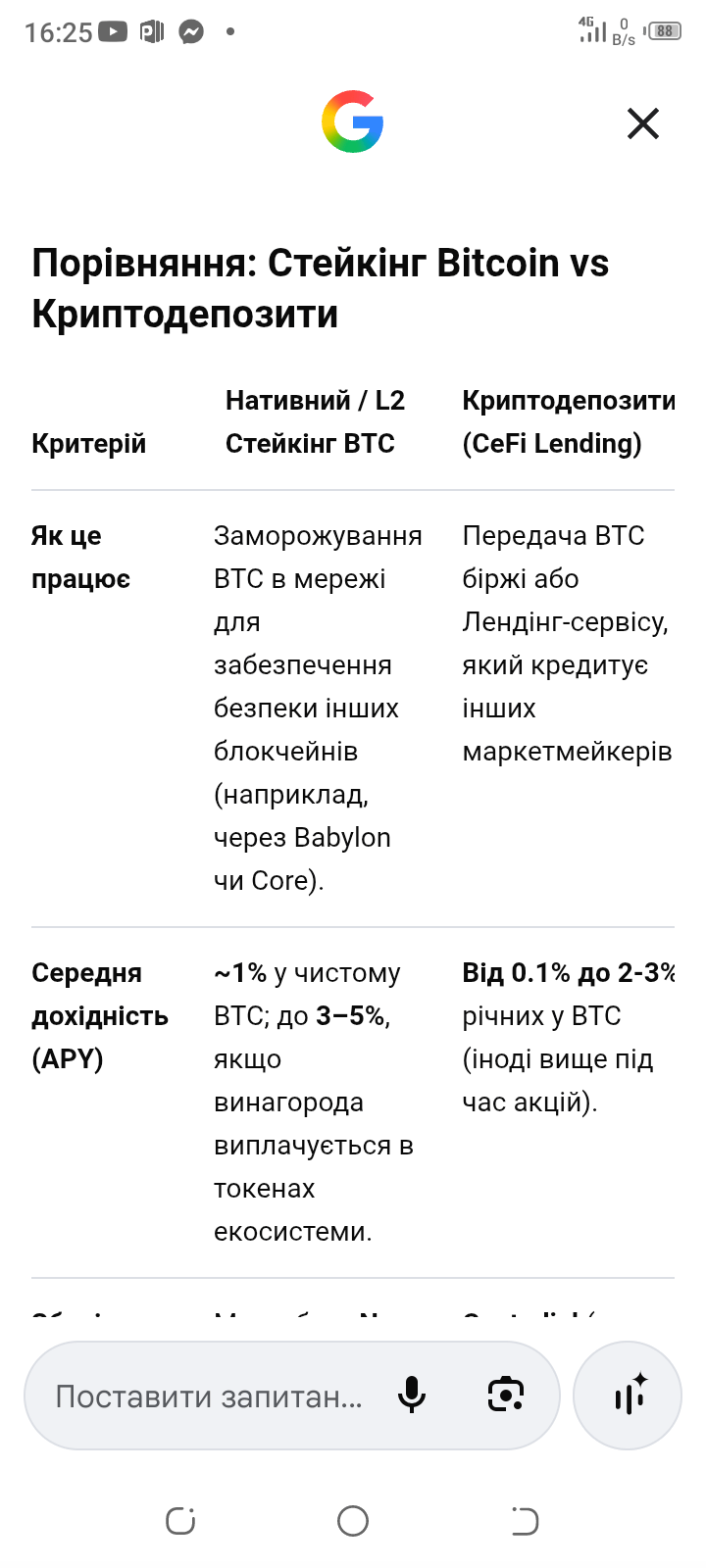
Since native staking is not available, the only way to earn interest on BTC is through centralized platforms (crypto exchanges, lending companies) or workaround blockchain solutions. This creates significant risks:
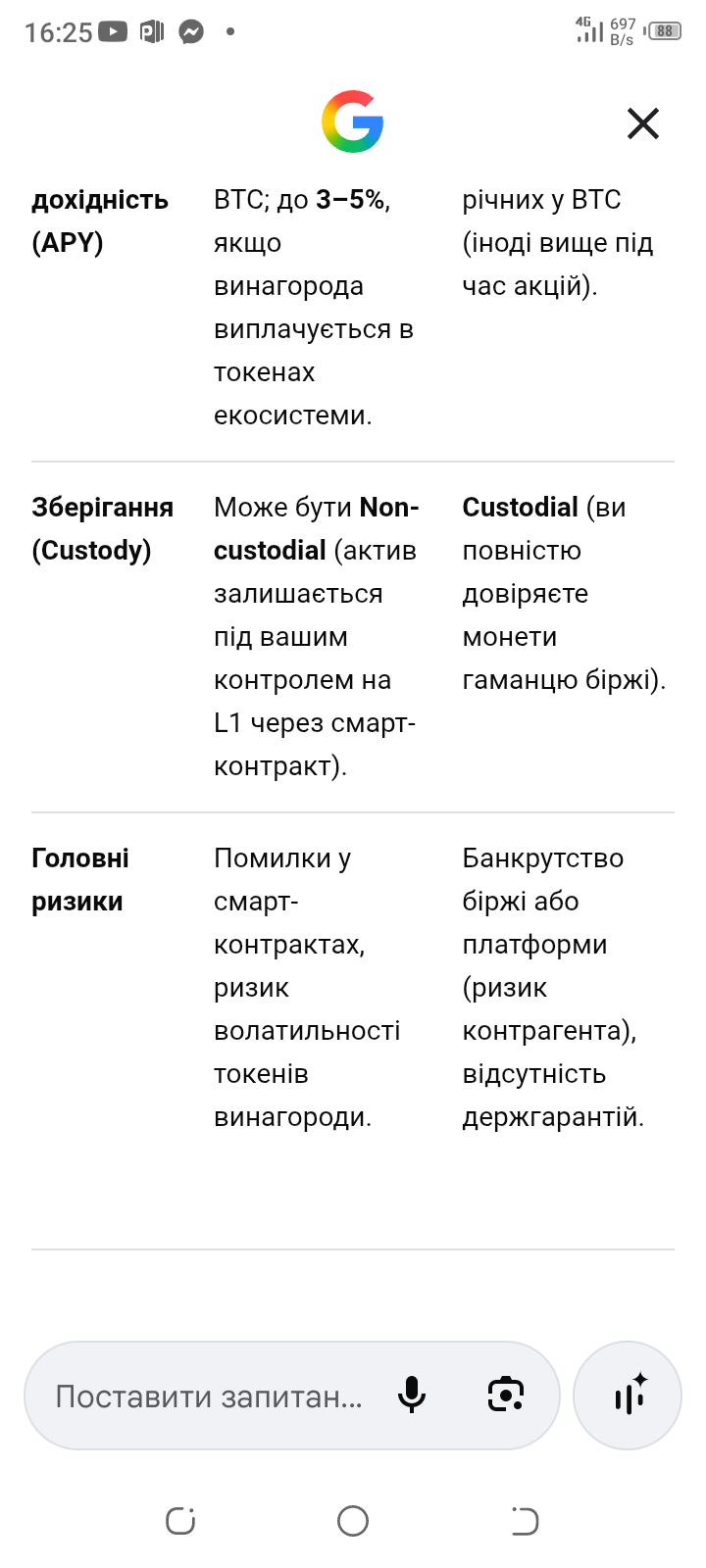
Platform collapses: The history of cryptocurrency (for example, the bankruptcies of Celsius, BlockFi, and FTX) has shown that transferring your BTC to third-party services for a small return often ends in a total loss of funds (“Not your keys, not your coins”).
Technical vulnerabilities in bridges and wrapped tokens: To use Bitcoin in DeFi protocols (for example, on Ethereum or Solana), it is “wrapped” (WBTC) or transferred via cross-chain bridges. Such bridges often become targets for hackers.
3. The “Digital Gold” ideology
* In the financial world, Bitcoin is generally viewed as a conservative safe-haven asset (store of value), analogous to digital gold.
* Gold’s main value lies in the owner’s absolute control over it, its independence from banks, and its reliability. BTC holders prefer to keep it in cold (hardware) wallets, minimizing any risks rather than chasing an additional 2–5% annual return.
---
What options are there for “earning” on BTC, then?
When people talk about staking or depositing Bitcoin, they usually mean the following alternatives:
1. CeFi deposits on exchanges: Holding BTC on centralized exchanges for a small amount of interest (rates there are usually minimal because there is no real demand for BTC loans for staking).
2. Lightning Network / Auxiliary networks: Some modern layer-two solutions are trying to integrate yield-generating features, but this market is still far less developed than Ethereum’s DeFi ecosystem.
3. Wrapped Bitcoin (WBTC / BTCB): Using the asset on networks that support smart contracts to participate in decentralized finance (DeFi), although this comes with the risk of losing its peg and smart contract hacks.