

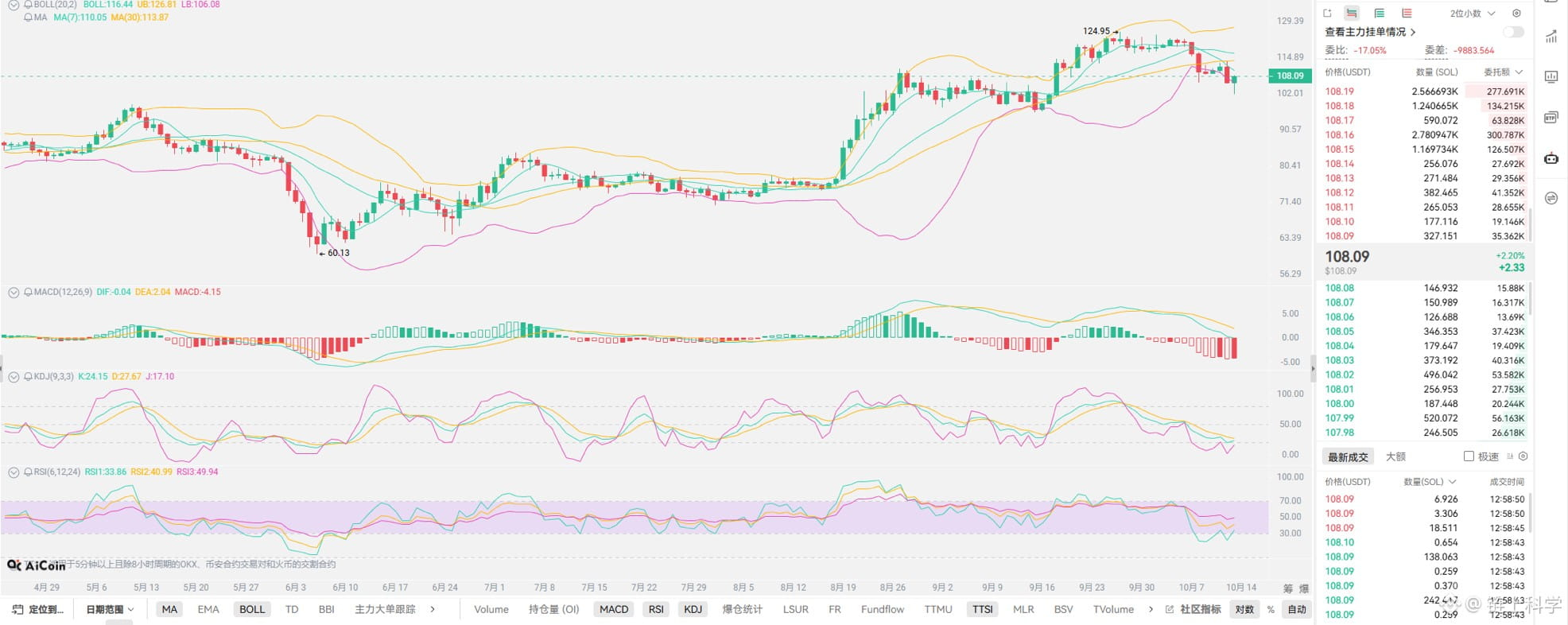

After spending half a month discussing Bitcoin, today let’s talk about SOL. Most of the users I’ve been in touch with over the past two days are looking to buy this type of coin. As it happens, SOL has taken a different turn today, with its low even touching around 101. Its short-term recovery has also been weaker than Bitcoin’s. Why has this happened? SKYA liquidated 1.25 million SOL from its reserves, worth $138 million, to fund a buyback of its issued shares. This isn’t an especially serious event. After discussing it, the concerns you all raised were very clear: many feel that SOL has too many retail investors, making market players hesitant to take action. This is indeed a major hidden risk, and it also shows that many of you aren’t familiar with the rules linking stablecoins and U.S. stocks. SOL’s greatest advantage is that it has obtained the licenses it needs, allowing U.S. stock tokens to connect directly to the crypto market. So far, this is the least expensive route among all the licensed options.
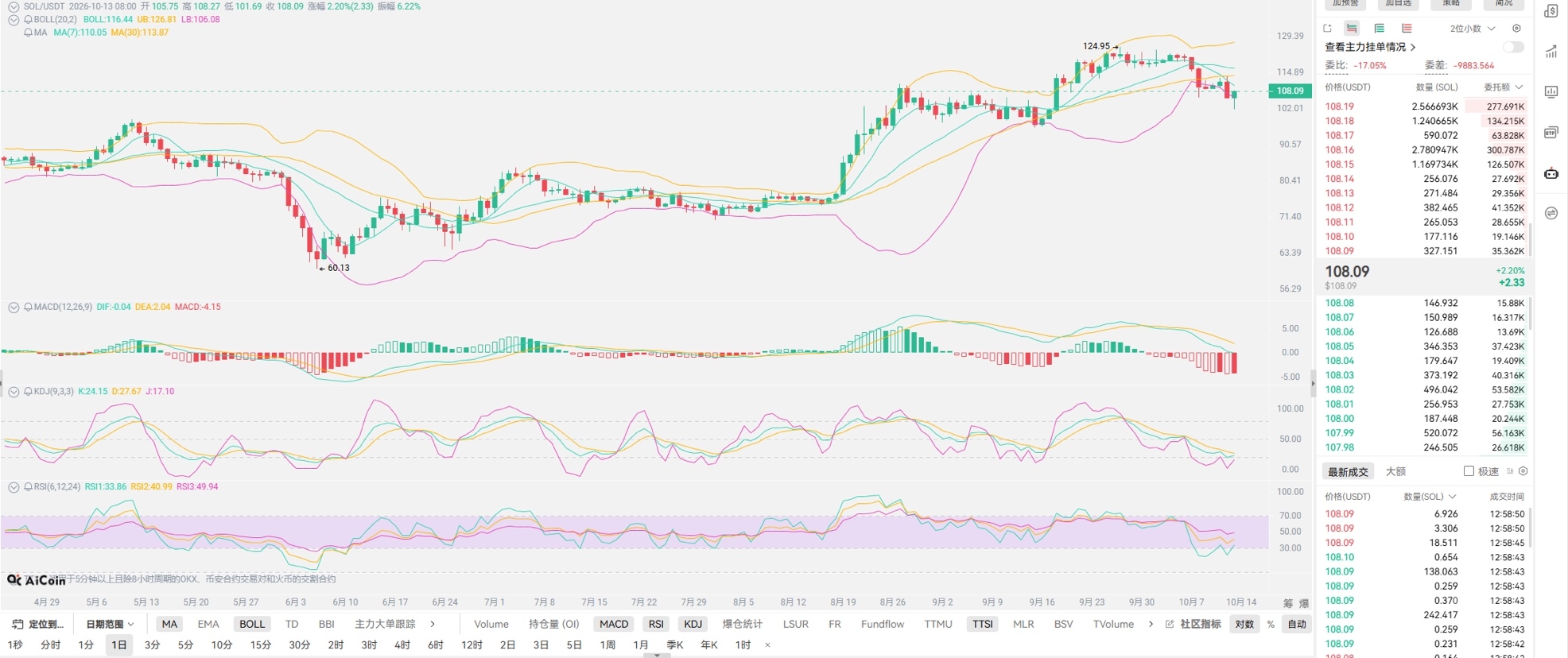
For any investment, you should prepare for both the best- and worst-case scenarios, then choose a middle-ground approach. In the best-case scenario for SOL, Solana will become the infrastructure for stablecoins, RWA, and securities trading in the future, and stablecoins are already part of SOL’s growth. The current focus is also on RWA and trading infrastructure. The eventual outcome will only become clear after the Clarity Act is passed. Many people underestimate the combined potential of these three markets. The U.S. stock market alone has a total market capitalization of 62.8 trillion to 63.8 trillion dollars, while the RWA market is even larger, since all real-world assets can be tokenized. Once these two concepts begin to take shape and are implemented on the SOL network, its market cap will naturally rise. More people will then contribute to maintaining the SOL network, and the value of the SOL token will naturally increase as well.
With these two concepts behind it, SOL stands out among the tokens that have already received approval, and could be considered the best choice. Keep in mind that the cryptocurrency market is currently in a period of uncertainty, which can also be understood as the early stage of the securities market. This is when miracles are most likely to happen. From today’s perspective, SOL does have a lot of baggage, but looking further into the future, its growth prospects are enormous, and its current market cap is nowhere near where it could be. The tokenization of U.S. stocks alone could multiply its value by 2–3 times, or even more—without even considering the arrival of RWA. New technologies emerge to replace old ones, and this is a step that the U.S. is strongly promoting. It does not fundamentally depart from the dollar system, and it can also attract capital from around the world. This is an expression of free trade. While it is being rolled out, our bet is simply on whether it will succeed. That’s all.
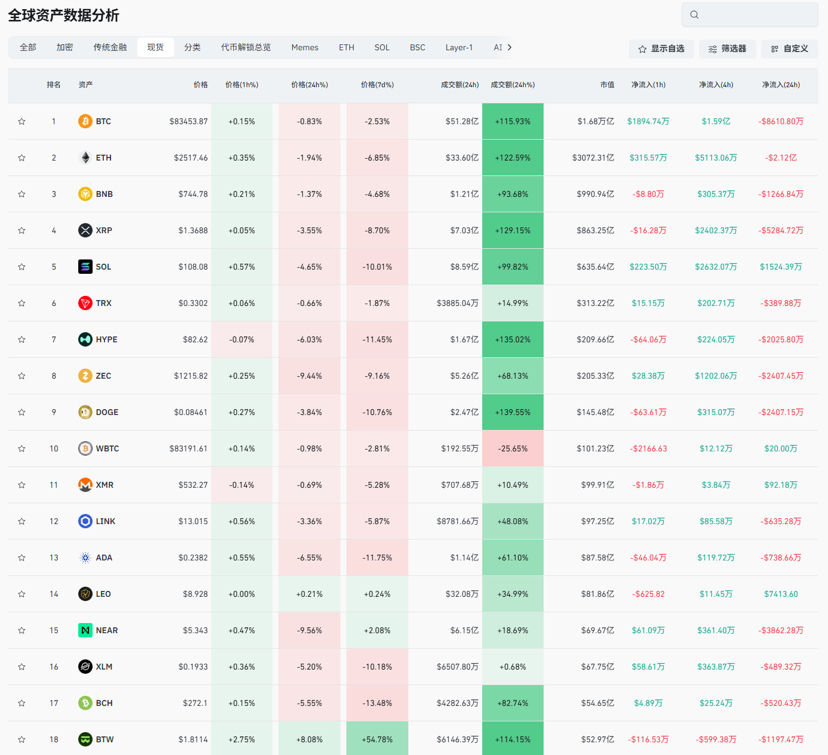
Lao Cui’s summary: For this category of listed tokens, it is fairly easy to estimate the downside, but much harder to predict the upside. There has never been a comparable market in human history for this new concept. Even if you plan for the worst, the most that would happen is that things stay as they are; it is unlikely to be delisted like tokens in the altcoin market. There are already enough stablecoins operating on its network, so clearing them out would not be easy. At the very least, you would have time to exit and cash out. If you are interested in this kind of asset, don’t set your target bottom too low. When SOL was in the 60–80 range, Lao Cui kept emphasizing that people should buy quickly. There will always be someone who sets expectations too low. The key is that expectations change with market conditions: when it reaches 100, people look for 80; when it reaches 80, they look for 40. If you keep buying that way, it is hard to build a position. Under normal circumstances, you should be willing to bet all your chips in the 60–80 range. My average cost is still above 110, so what do you have to worry about? Finally, a reminder: short-term capital outflows will cause a downturn, and SOL’s bearish trend is very clear right now. For spot investors, this is a buying opportunity, but futures traders should not short it. When trading futures, stick to Bitcoin and Ethereum if possible. I don’t even dare trade SOL futures!