




There have been several developments in the US recently that I think are worth looking at together. Taken individually, they may seem bullish or bearish, but viewed together, they show that the underlying dynamics of the crypto market are changing.
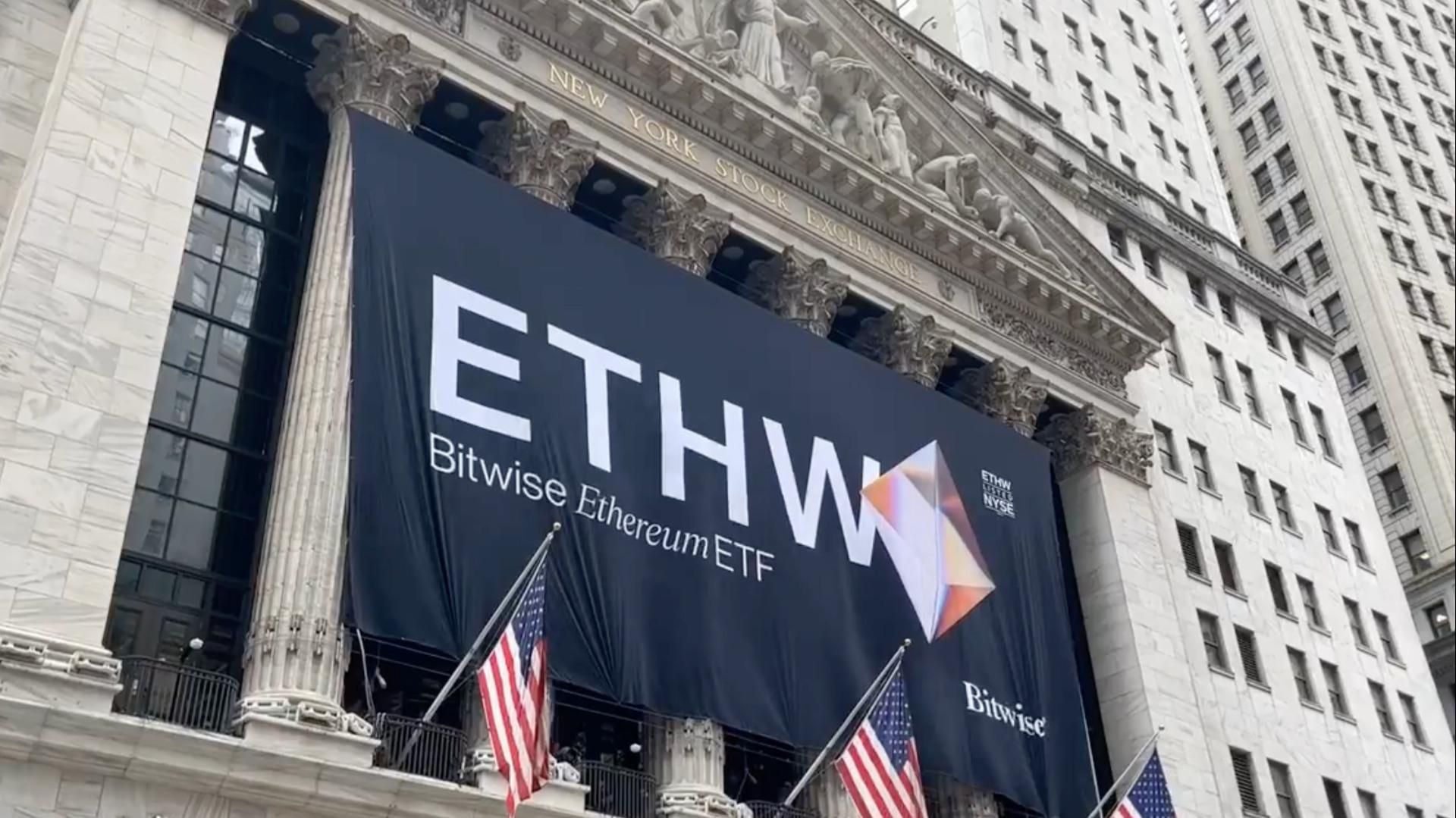
First, the SEC approved listing rules for 3x leveraged BTC and ETH ETFs.
To me, this means far more than just adding two leveraged products.
In the past, spot ETFs were an important way for Wall Street to participate in the crypto market. Now, as tools such as futures and leveraged ETFs become more widely available, institutions can gain greater exposure through derivatives without necessarily holding the corresponding amount of the underlying assets.
More and more of the forces affecting BTC and ETH prices in the future will come from traditional financial markets.
Of course, this could also mean greater volatility. When capital involving leverage, hedging, and portfolio rebalancing moves in unison, it could amplify market swings in a short period of time.
In the future, major moves in the crypto market may increasingly be driven by Wall Street capital.
Second, the Fed’s return to rate hikes has indeed put pressure on the market.
In September, the Fed raised rates by 25 basis points. And according to the latest projections, inflation may not return to its 2% target until 2029.
This means the cost of capital could remain elevated over the next few years.
For risk assets like BTC and ETH, this certainly can’t be considered good news.
But I think another change is underway that many people may be overlooking.
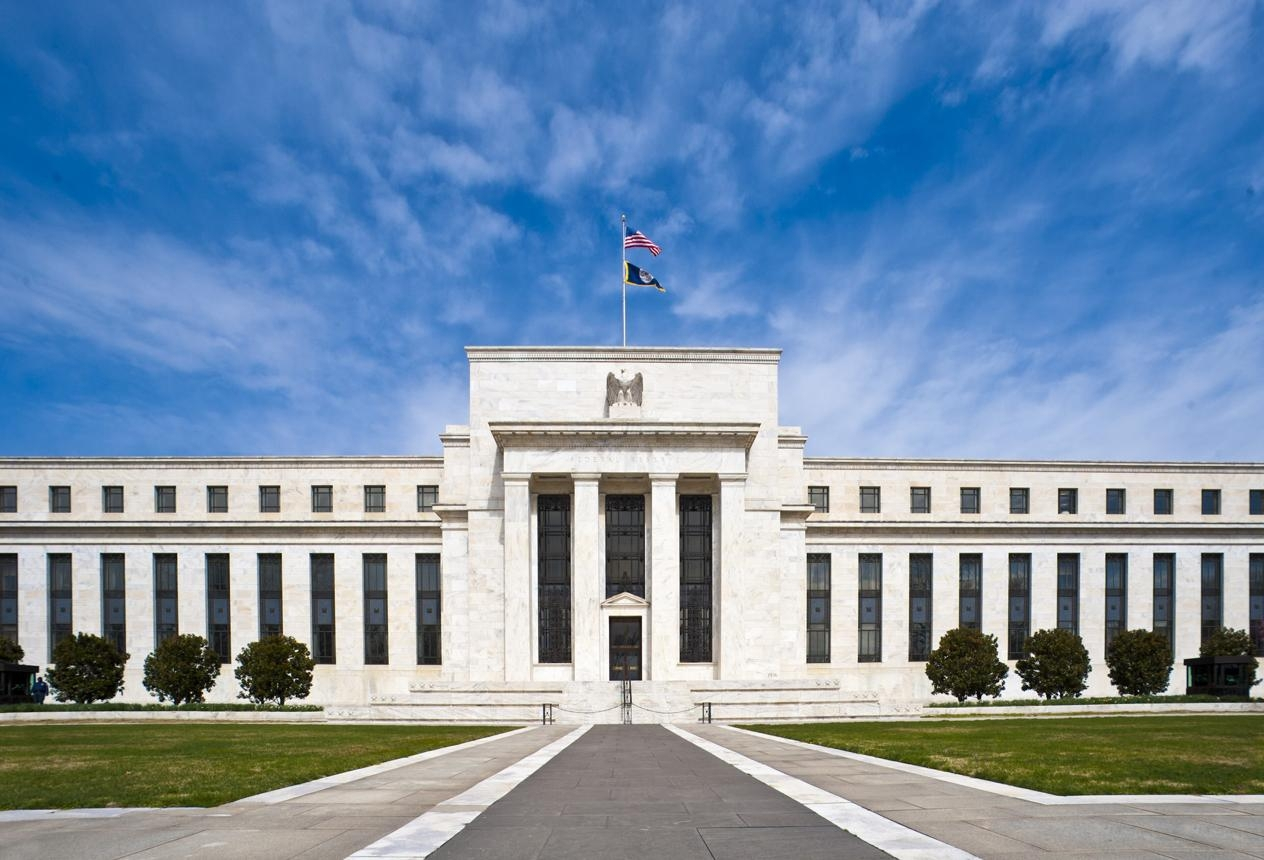
Third, RWAs are changing how capital flows around the world.
In the past, there were many barriers to moving capital between U.S. stocks, gold, bonds, and crypto markets.
Now, with the development of RWAs, stablecoins, on-chain trading, and tokenized assets, more and more traditional assets are entering the on-chain financial system.
In the future, investors may be able to hold U.S. stocks, gold, bonds, and crypto assets in a single on-chain account, making it increasingly efficient to shift capital between them.
I think there’s a very important shift happening here:
Monetary policy determines how loose or tight overall financial conditions are, while financial infrastructure determines how efficiently money flows.
Even if the Fed maintains a tight policy, money in the market won’t stop flowing altogether.
If an opportunity emerges in a particular market, capital may be able to shift across markets more quickly.
Of course, RWAs still face limitations around liquidity, compliance, and trading hours, but the long-term direction is becoming increasingly clear.
Fourth, the regulatory landscape is also changing.
For years, the U.S. has been embroiled in a lengthy debate over whether crypto assets should be classified as securities or commodities.
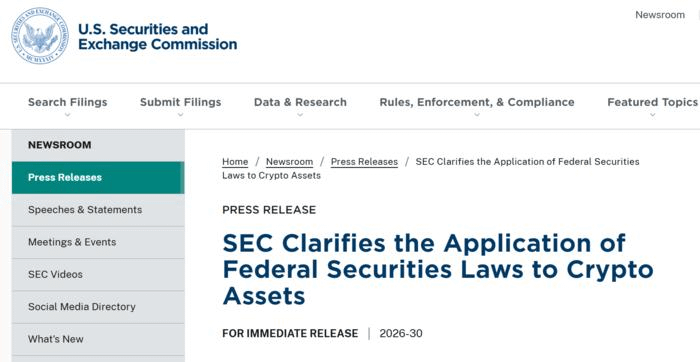
In March this year, the SEC and CFTC further clarified the regulatory classification of crypto assets, making the commodity status of assets such as BTC and ETH clearer.
This is very important for long-term investors.
Regulatory certainty is one of the things that matters most to Wall Street institutions managing huge amounts of assets.
The clearer the rules and the wider the range of compliant products, the more ways traditional investors will have to participate in the crypto market.
ETFs, futures, RWAs, and stablecoins could come together to form a very large financial market in the future.
So why do I still have a long-term bullish outlook?
I can see the Fed raising rates and short-term liquidity coming under pressure.
Over a longer time horizon, however, the regulatory framework for crypto assets is taking shape, Wall Street has an expanding range of investment tools, and RWAs are gradually bridging traditional finance and on-chain markets.
The amount of capital entering this market in the future could far exceed today’s levels.
However, a larger pool of capital doesn’t mean the market will only go up. The deeper institutions get involved, the more complex market dynamics may become, and the more volatile prices could be.
I remain long-term bullish on BTC and ETH, as well as on the crypto industry’s growth over the next 3–5 years.
As for the short-term outlook, I’ll continue to rely on my own trading system, using Chan theory, price action, and macro liquidity to guide my assessment.
Take a long-term view of the direction, but focus on the present when trading.