After years of making my way through the markets, I’ve seen far too many people carrying thick manuals of indicators and notebooks filled with all kinds of trading strategies, watching the charts for more than ten hours a day, only to end up steadily shrinking their accounts. I went down that same wrong path myself. At first, I always thought that learning one more formula or recognizing one more chart pattern would bring me closer to consistent profits. But whenever the market moved a little differently than I expected, all my methods fell apart. I kept getting whipsawed and stopped out, and before I knew it, most of my capital had been worn away.
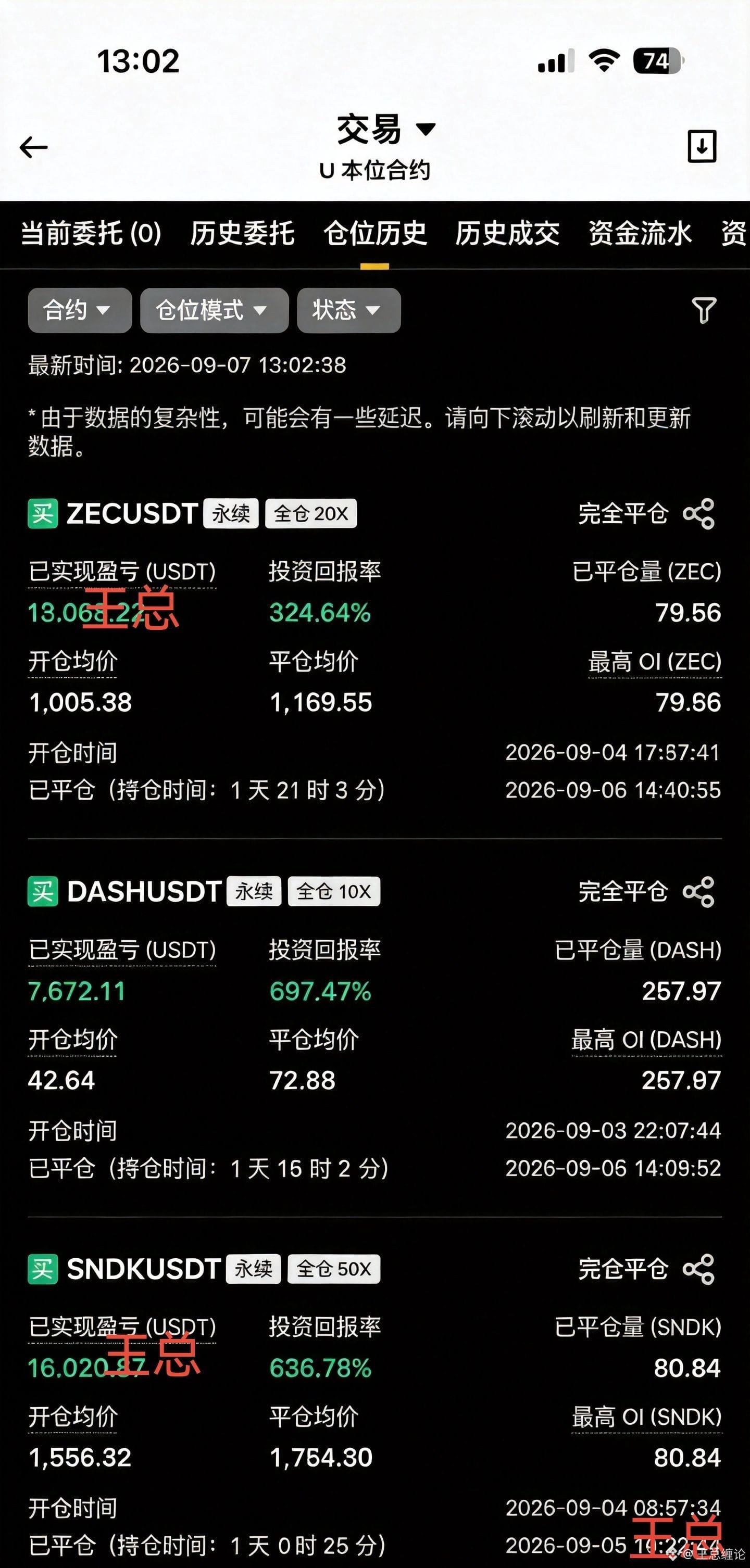
Later, I settled down and took things slowly. My account began to follow a completely different trajectory: starting with 30,000, I gradually grew it to 1.2 million over the first two years, reached 6 million the following year, and then went from 6 million to 10 million in just five months. It wasn’t until my account had grown to that size that I finally understood: in the end, trading isn’t about who knows the most techniques, but who can resist overtrading.
Now I’ve removed almost all the complicated indicators and stick to one simple N-shaped price pattern: first a rally, then a pullback, and finally a breakout above the previous high. I enter when the pattern develops cleanly and exit if a key support level breaks. I don’t average down recklessly, stubbornly hold on to losing positions, or suddenly pile on leverage.
The three hard rules I set for myself have never changed: I only look at the 4-hour chart and use the 20-day moving average to gauge the broader trend. If an opportunity doesn’t meet my criteria, I calmly stay out of the market. I strictly cap the loss on each trade at 2% and set a 10% profit target, keeping the risk-reward ratio at 5:1. Even if my win rate isn’t exceptional, over the long run I can still generate steady positive returns. Whenever I make money, I withdraw part of the profit from my account, so I don’t end up throwing all the hard-earned gains back into the market.
The hardest part of crypto has never been finding opportunities to make money. It’s being able to resist 90% of the setups that look tempting but that you don’t actually understand. Practicing one method you truly understand until you’ve mastered it is far more reliable than constantly chasing and blindly trying out ten new strategies.