

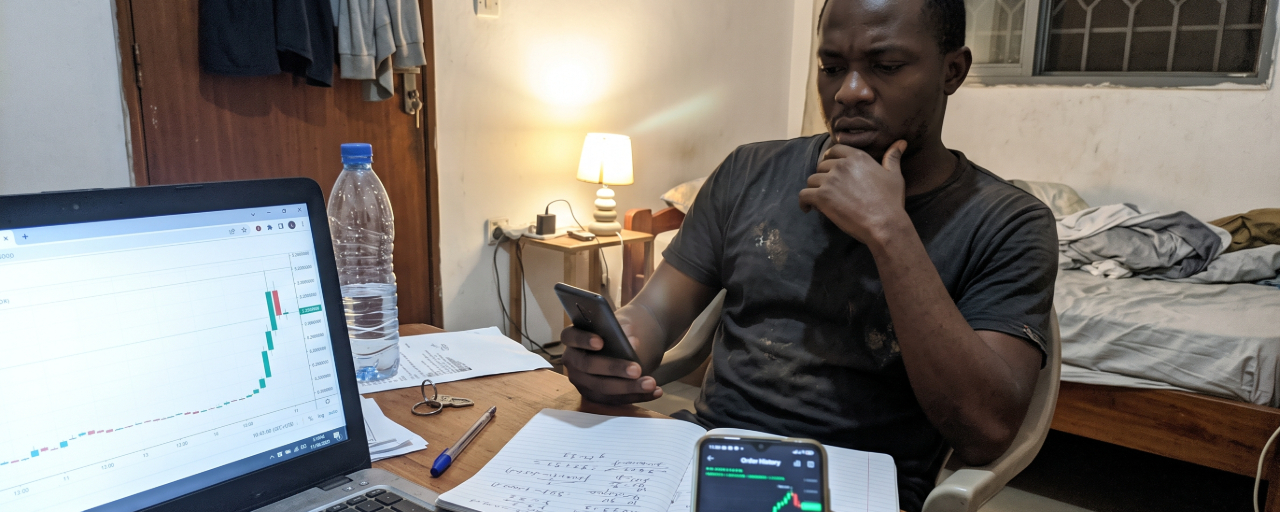

You know this scenario by heart:
You buy a solid asset. For 3 weeks, nothing happens. Worse, the price slowly erodes: -5%, -10%, -18%.
Panic and boredom set in. On social media, everyone's talking about other tokens skyrocketing.
Eventually, you crack:
“This project is dead. I'll cut my losses and switch to another asset.”
You click Sell.
Then, within the next 48 hours, a massive +45% green candle tears across the chart. You sold the exact bottom.
It's neither bad luck nor a hidden camera. It's the fundamental principle behind a Liquidity Sweep:
1. Big players need your tokens at low prices
An institutional fund or a whale can't buy $50 million worth of an asset on the market all at once without sending the price soaring. To accumulate at a good price, they need to create fear or wear investors down until retail traders sell in a panic.
2. Capitulation through psychological exhaustion
The market doesn't just punish you with sharp drops; it wears you down with seemingly endless periods of stagnation just below resistance levels. When the last impatient investor throws in the towel, the path is clear: selling pressure has dried up, the order book has been cleared, and the pump can begin.
3. Your stop-losses are their buying zone
Placing an obvious stop-loss just below a major technical support level is like inviting market makers to trigger your forced sales before the price moves back in the right direction.
How to stop being whales' exit liquidity:
Separate boredom from a downturn: A project moving sideways isn't dead; it's accumulating.
Reduce your position size: The less you fear losing on a temporary wick, the less tempted you'll be to capitulate at the worst possible moment.
Ask yourself this before selling at a loss: “Have the fundamentals changed, or is this just my impatience talking?”
Be honest: how many times have you sold a token at a loss, only to see it rise +50% or double a few days later? What's your worst case?
$BTC