#CryptoWallet
A crypto wallet does not store your actual coins (which stay on the blockchain); instead, it safeguards your private keys—the digital keys required to access and manage your funds. [1, 2]
Selecting a wallet depends on your balance size and how you plan to use your assets. The industry divides wallets into two primary categories: [1, 2, 3]
Hot Wallets (Software): Free, internet-connected applications (mobile apps, browser extensions, desktop apps) designed for quick, day-to-day trading and accessing decentralized apps (dApps). [1, 2, 3]
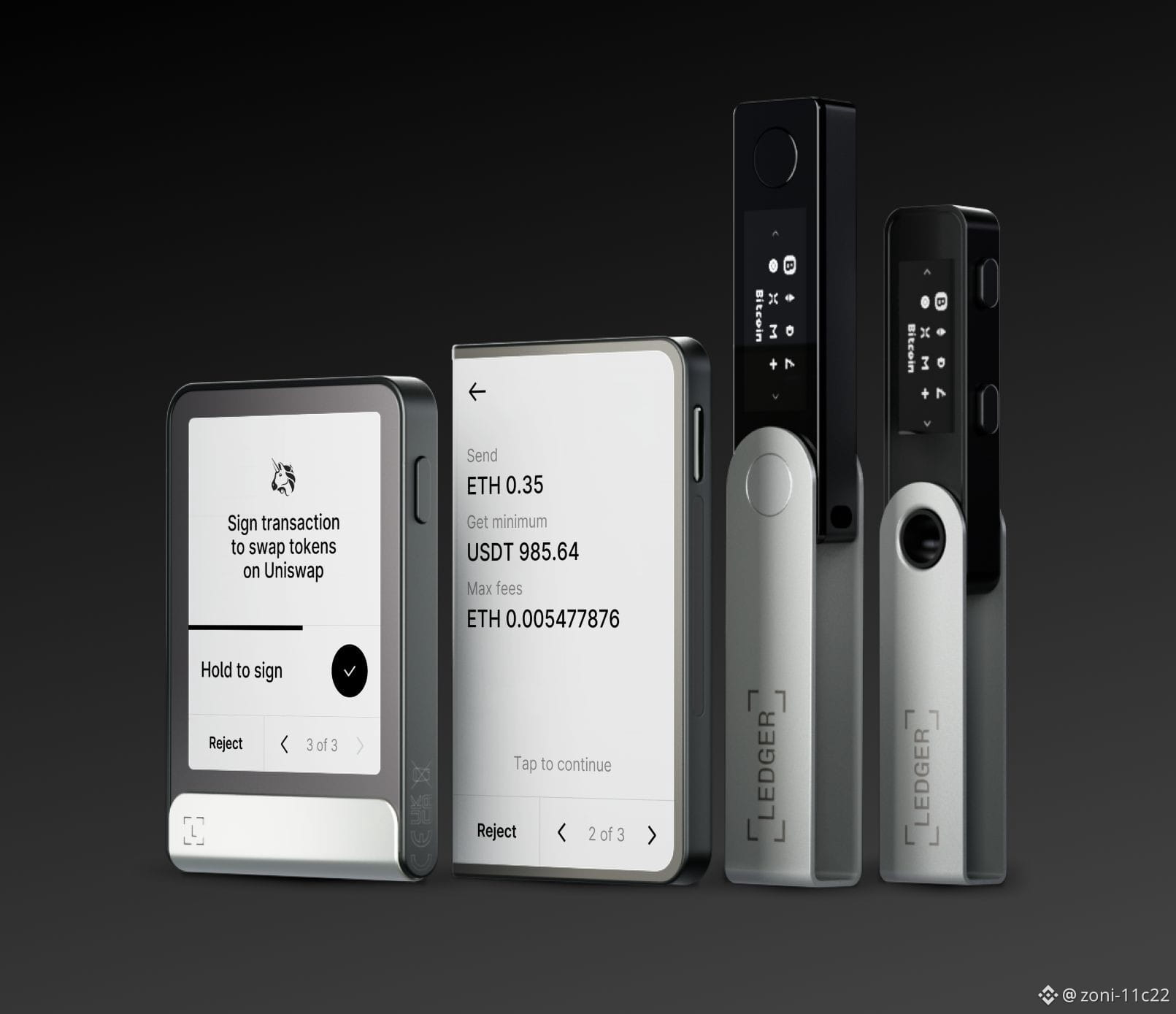
Cold Wallets (Hardware): Physical, offline devices that offer maximum security for larger balances or long-term investments by isolating your keys from online hacking threats. [1, 2, 3]
$QNT
$TRUMP
$TRX
A crypto wallet does not store your actual coins (which stay on the blockchain); instead, it safeguards your private keys—the digital keys required to access and manage your funds. [1, 2]
Selecting a wallet depends on your balance size and how you plan to use your assets. The industry divides wallets into two primary categories: [1, 2, 3]
Hot Wallets (Software): Free, internet-connected applications (mobile apps, browser extensions, desktop apps) designed for quick, day-to-day trading and accessing decentralized apps (dApps). [1, 2, 3]
Cold Wallets (Hardware): Physical, offline devices that offer maximum security for larger balances or long-term investments by isolating your keys from online hacking threats. [1, 2, 3]
$QNT
$TRUMP
$TRX