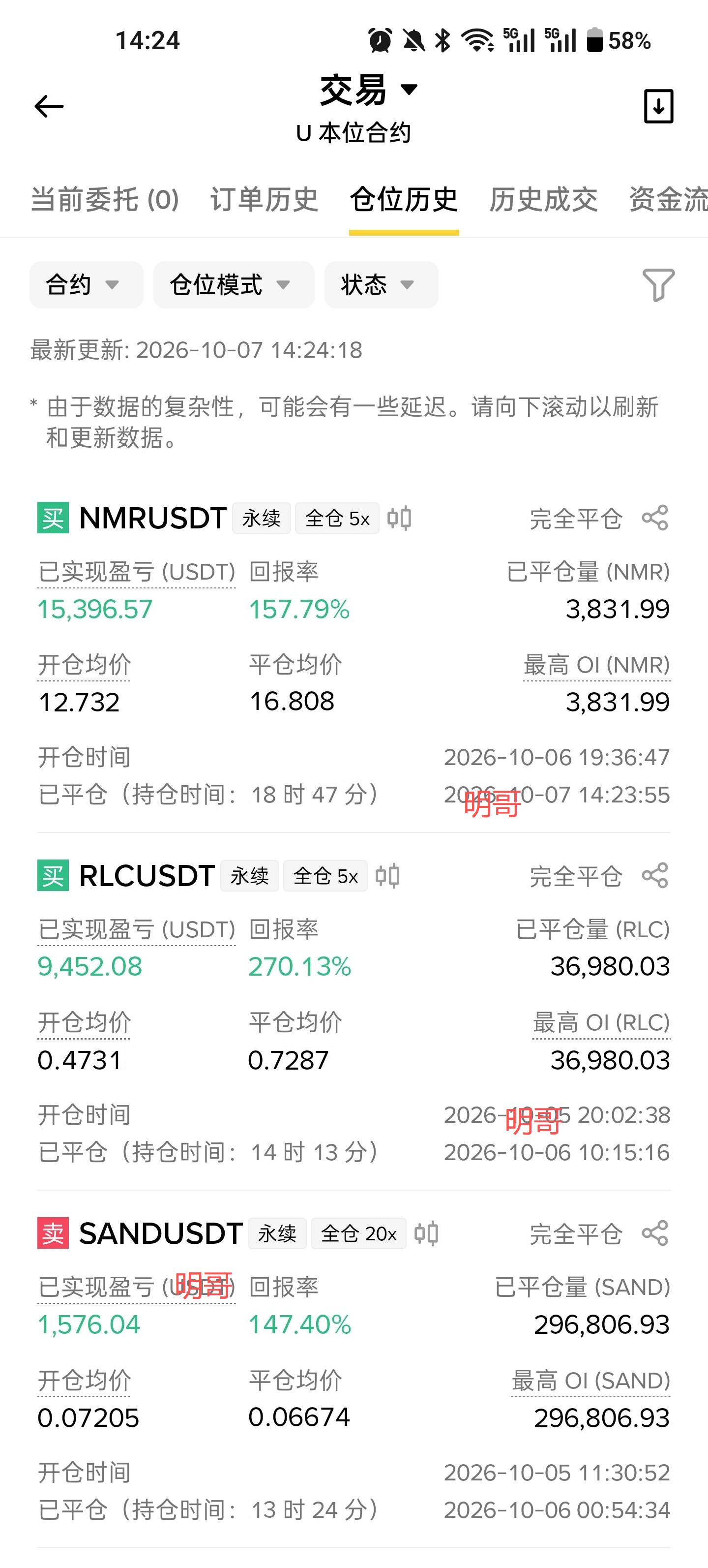
Four years ago, my startup collapsed, leaving me buried under 3 million in debt and crushed by pressure. With nowhere else to turn, I took the last of my savings and jumped into crypto.
At first, I lost terribly. But I gritted my teeth, reviewed my trades, and gradually worked out four steps: choosing coins, entering trades, managing position size, and exiting.
When choosing coins, I keep a close eye on the daily chart and focus on coins in an uptrend with a MACD golden cross—ideally one above the zero line. If the trend is unclear, I stay put, no matter how much hype there is.
You have to wait for the right moment to enter. I only act when the price is holding firmly above a key moving average; if it falls below, I reduce my position or exit immediately. I never try to guess the bottom based on gut feeling, or blindly chase a rising market.
Managing position size is a crucial line of defense. I start small, and only add gradually when both price and volume are looking good. I always leave myself some room to maneuver, so one bad call doesn’t wipe me out.
When it’s time to exit, I do it decisively and in stages. Once a swing trade reaches my profit target, I take some profits off the table. If the market continues to look strong, I gradually reduce my position. If the price breaks below a key level, I close out the rest according to plan.
This approach may seem “clumsy,” but it has helped me avoid plenty of impulsive trades. Step by step, I paid off my debt, and my account got back on track.
The hardest part of trading isn’t understanding candlestick charts. It’s entering with a plan, being willing to take profits, and having the courage to exit when you’re wrong.
If you’re stuck in a losing position right now, staring at your account and losing sleep, unsure whether to cut your losses or hold on, follow me and get in touch. I’ll help you sort out these four steps—what to exit and what to hold.#比特币跌破8.4万美元