

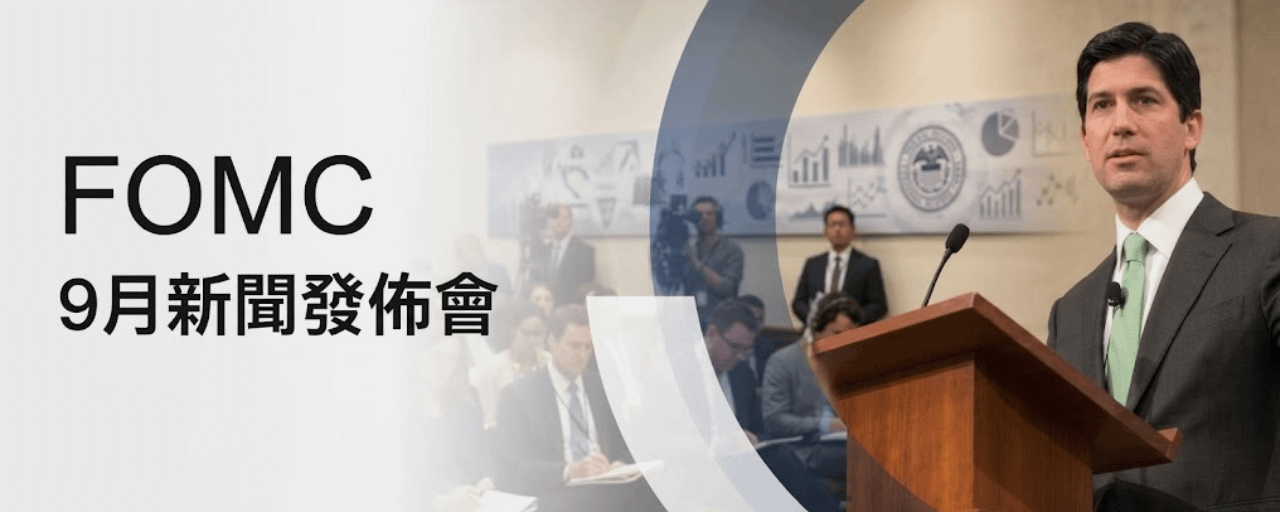


The minutes from the Fed’s September meeting will be released tonight at 2 a.m.
The market has already voted with its feet: the probability of an October rate hike has plunged from 68.6% a week ago to less than 25%.
But there’s one detail almost everyone is overlooking—
These minutes record the committee members’ discussion at their September 16 meeting. At the time, the September nonfarm payrolls report hadn’t been released yet.
The data haven’t softened yet, but sentiment has already shifted. That’s the time lag.
September nonfarm payrolls rose by just 29,000, versus market expectations of 90,000. August’s figure was revised down from 162,000 to 133,000, while revisions for the previous two months totaled 60,000.
Unemployment is at 4.2%, and wage growth has fallen to its lowest level since May 2021.
Fed Vice Chair for Supervision Bowman said it directly on October 1: “I don’t see any urgency to raise rates further.”
New York Fed President Williams put it more clearly: There’s no urgency to raise rates further; the Fed has time to gather more information.
But Kansas City Fed President Schmid warned: “Inflation is frustrating and must be addressed.”
At the September meeting, members unanimously agreed to raise rates by 25 basis points. The median dot-plot projection pointed to one more hike this year; 12 of 18 officials expected another hike this year, and none expected a rate cut.
This is the minutes’ “hidden card”—the hawkish card.
But what happened after the meeting? Nonfarm payrolls plunged, unemployment rose, and wage growth hit a four-year low.
Bloomberg Economics’ view is that even if the September minutes reveal officials’ hawkish stance at the time, several weaker data releases since then support the Fed staying on hold.
The minutes are about the “past”; market pricing is about the “present.”
Bitcoin is currently hovering around $86,000, after retreating from its year-to-date high of $87,000 on September 21.
Resistance above: $86,700–$87,000—four failed attempts to break through since September 21; the year’s opening price of $87,570 is the ultimate hurdle
Support below: $82,500—widely seen by analysts as a “line in the sand”; a break below could lead to a retest of $80,000
Middle ground: $84,000–$85,000—prices are currently consolidating here
Two scenarios, two directions.
Scenario A: Dovish minutes (or an ambiguous tone)
If the minutes show a “meaningful dovish camp” within the committee, or a marked softening in tone—
→ Expectations for an October rate hike fall further toward zero
→ The dollar weakens
→ Risk assets rebound
→ BTC could test resistance in the $86,700–$87,000 zone; a decisive break above it would open the way to $93,700
Scenario B: Hawkish minutes (revealing a tough stance)
If the minutes show that the committee was highly concerned about persistent inflation, and that most members believed rates “had to be raised again this year”—
→ The market reprices the likelihood of an October rate hike
→ The dollar strengthens (the dollar index is already nearing 102, its highest level since April 2025)
→ Yields surge
→ BTC could retest structural support at $82,500; a break below would put $80,000 in focus
Since taking office, Fed Chair Warsh has removed forward guidance, refusing to spoon-feed the market. Vice Chairs Jefferson and Williams are seen as “authoritative guides,” and their remarks this week have already prompted investors to sharply lower expectations for an October rate hike.
If the minutes show that divisions within the committee were far greater than the market imagined—
Then these minutes are a ticking time bomb.
The market prices in the “data”; the minutes reveal the “sentiment.”
The data had already softened, but sentiment at the September meeting was still stuck in the “inflation must be decisively brought down” phase.
When the data and sentiment diverge, volatility is the greatest certainty.
At 2 a.m. tonight, you may not want to know the answer—but you need to.