What kind of risk is Solana solving by settling cash and assets together?
The buyer has already paid, but the seller has not delivered the asset. This settlement risk is different from the price falling after you buy.
On October 6, the Solana Foundation announced an open-source DvP program, also known as delivery versus payment. The design requires both settlement legs to complete together; otherwise, neither completes, and it provides independent custody and time constraints. The announcement also says it is still recruiting early participants before the formal production release, so this cannot be taken to mean that institutions have already fully connected.
J.P. Morgan is providing advice on securities settlement requirements. The official statement specifically says this does not mean it develops, operates, or guarantees the program.
I am more concerned with how funds are tied up: shorter settlement waits may allow institutions to reduce the reserve cash they hold for transactions; but how much they can save still depends on whether assets can be delivered, whether cash is available, and the actual business workflow.
Using an exchange of USDC for an on-chain asset as an example, even if the swap succeeds atomically, there is no guarantee the asset will not fall tomorrow, or that the issuer will always be able to redeem. Atomic settlement cannot replace asset research.
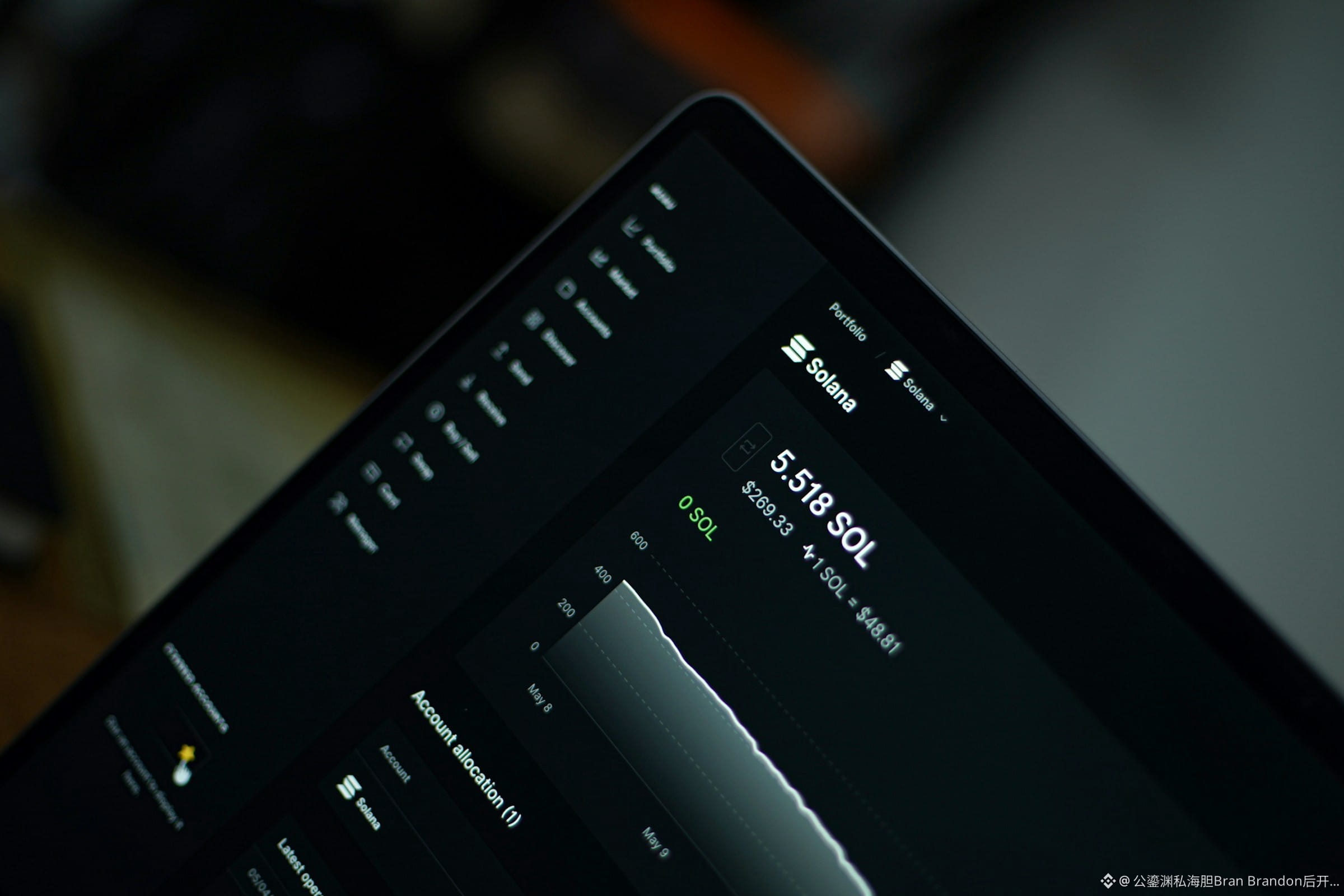
When comparing the institutional settlement ecosystems of SOL and ETH, I would separately verify actual usage volume and how settlement failures are handled. The second image is an archive photo of a historical Solana wallet; the balance and curve on the screen are not current market conditions.
$SOL $USDC $ETH #institutional funds
Tap my avatar to view live guided trades
The buyer has already paid, but the seller has not delivered the asset. This settlement risk is different from the price falling after you buy.
On October 6, the Solana Foundation announced an open-source DvP program, also known as delivery versus payment. The design requires both settlement legs to complete together; otherwise, neither completes, and it provides independent custody and time constraints. The announcement also says it is still recruiting early participants before the formal production release, so this cannot be taken to mean that institutions have already fully connected.
J.P. Morgan is providing advice on securities settlement requirements. The official statement specifically says this does not mean it develops, operates, or guarantees the program.
I am more concerned with how funds are tied up: shorter settlement waits may allow institutions to reduce the reserve cash they hold for transactions; but how much they can save still depends on whether assets can be delivered, whether cash is available, and the actual business workflow.
Using an exchange of USDC for an on-chain asset as an example, even if the swap succeeds atomically, there is no guarantee the asset will not fall tomorrow, or that the issuer will always be able to redeem. Atomic settlement cannot replace asset research.
When comparing the institutional settlement ecosystems of SOL and ETH, I would separately verify actual usage volume and how settlement failures are handled. The second image is an archive photo of a historical Solana wallet; the balance and curve on the screen are not current market conditions.
$SOL $USDC $ETH #institutional funds
Tap my avatar to view live guided trades