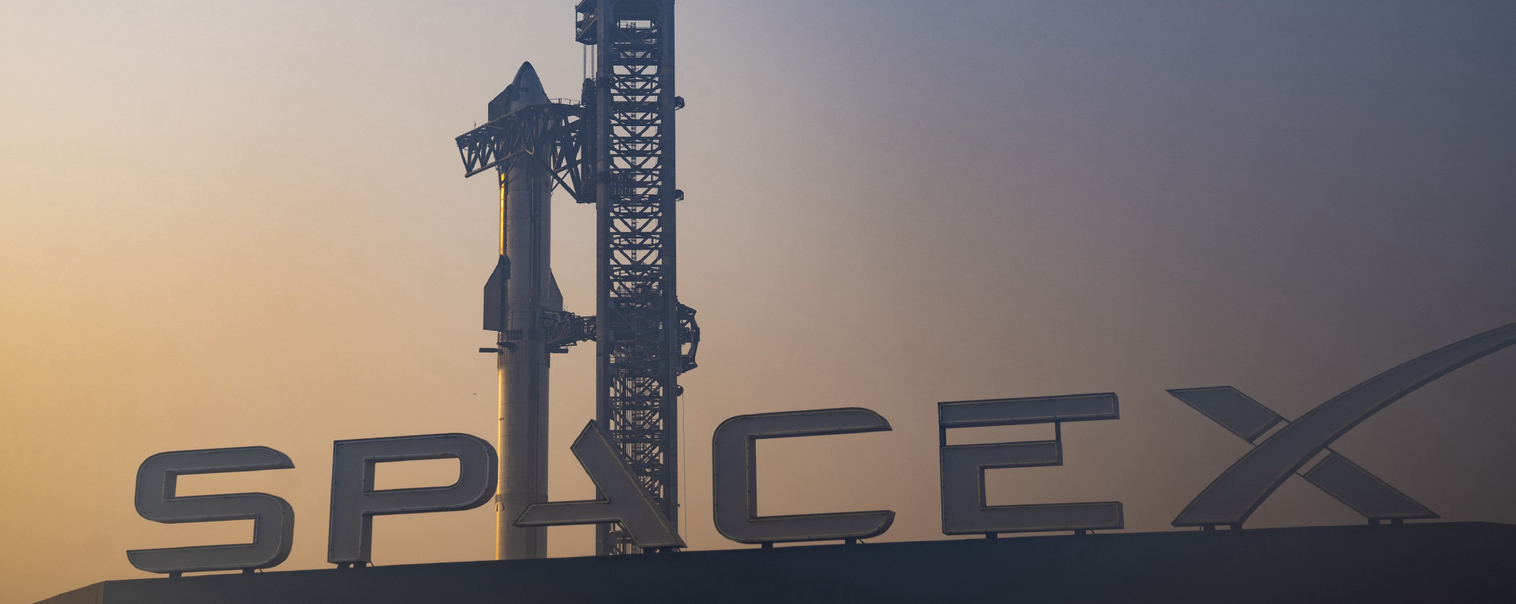


$SPCX Many people think SpaceX is just building rockets. What I’m really bullish on isn’t any particular launch, but the fact that it’s helping humanity find “new land.”
Almost every inch of land on Earth already has an owner. When it comes to building roads, bridges, factories, and data centers, the real challenges aren’t technological—they’re land acquisition, permits, environmental reviews, NIMBY opposition, and layer upon layer of regulation. Henry George wrote in *Progress and Poverty* in 1879 that the gains from every technological and industrial innovation, and every increase in productivity, are ultimately drained away by ever-rising rents and land values.
You can’t feel it in China, and you feel it even less in Southeast Asian capitals. But some of our relatives who moved far away to Spain, France, and Germany understand it completely: on-the-ground progress in some countries is far, far too slow.
Once the demolition phase begins, holdouts demanding exorbitant payouts and tangled property-rights lawsuits are more than enough to give any company a world of trouble. Even after the land has been acquired, neighbors may still pop up and sue, claiming your facility “spoils the traditional beauty of the French countryside.”
Here’s another quote from Musk:
"Over time, the arteries of civilization harden. You encounter more and more layers of laws and regulations, until eventually everything becomes illegal. No one repeals the old laws; they just keep passing new ones. We’re like Gulliver, pinned to the ground and unable to move, bound by tens of thousands of tiny threads."
"If you’re in a system where any one of 100 different regulatory agencies can shut down your project for years, then ultimately you won’t be able to build anything. We need a fast-track green lane for things that benefit humanity’s future."
So SpaceX’s endgame is about far more than just sending people into space. It’s about opening up new territory for civilization—territory unburdened by old property rights, old rules, and historical baggage. If future data centers, communications, energy, quantum computing, and cutting-edge research face a decade of approvals, complaints, and runaway land costs on Earth, sending them into space could actually be cheaper and faster.
Hong Kong’s enormous population is packed into dozens of high-rise buildings, not because humanity doesn’t know how to build, but because there’s so little usable land. As rocket costs continue to fall, the day may come when ordinary families can afford a spacecraft with its own energy supply and closed-loop ecosystem. Then space will go from an expensive, uninhabited frontier to a new continent for humanity.
This is what makes SpaceX’s story so compelling: it isn’t just breaking physical boundaries, but also the boundaries of a civilization locked in place by vested interests.
The market is watching the next launch. I’m watching to see whether it can turn space from a research project into humanity’s next balance sheet.
In the past, wealth belonged to those who were first to claim land. The next wave of wealth may belong to those who are first to turn the “space” of the universe into an asset.
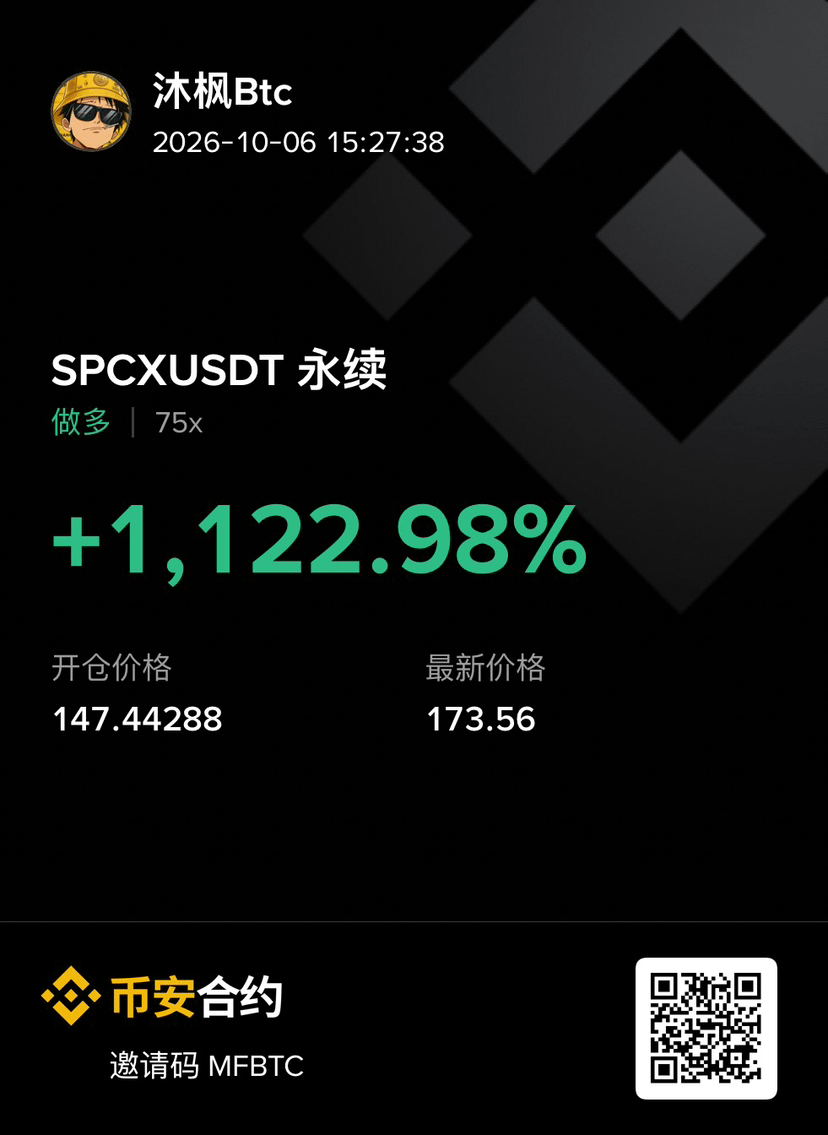
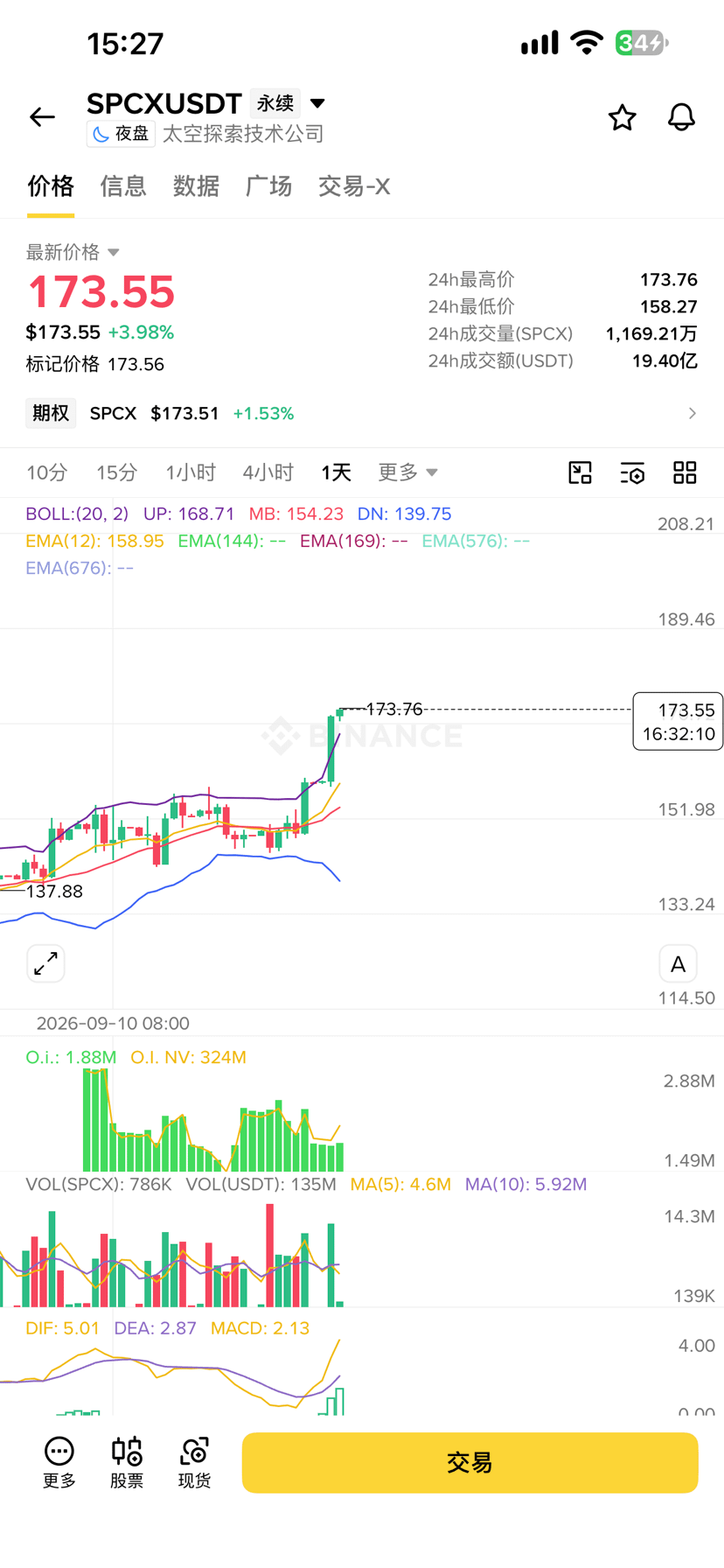
I said before that with the share price nearing 100, you could confidently buy the dip! Those who did are making a killing! And now, it’s only just getting started!