The wallet simulation passed, but the risk isn’t over
When a wallet displays “Simulation successful,” it only means the request would work under the on-chain state used for the simulation. By the time it’s actually included in a block, prices, balances, or contract states may have changed.
The native transaction assertions discussed by the Ethereum Foundation on October 5 aim to perform checks after execution: verify that the final asset changes match requirements specified in advance, and revert the transaction’s main effects if they don’t. This is a proposal, not a protection that every wallet offers today.
For example, when swapping USDC for ETH, you care about the maximum amount you’ll pay, the minimum amount you’ll receive, and whether any unwanted approvals are left behind. A successful transaction can’t answer these questions for you.
What’s easier to overlook is that the rules themselves need to come from a trusted source. If a compromised website both creates the transaction and writes a rule that allows anything, an extra check may be nothing more than window dressing.
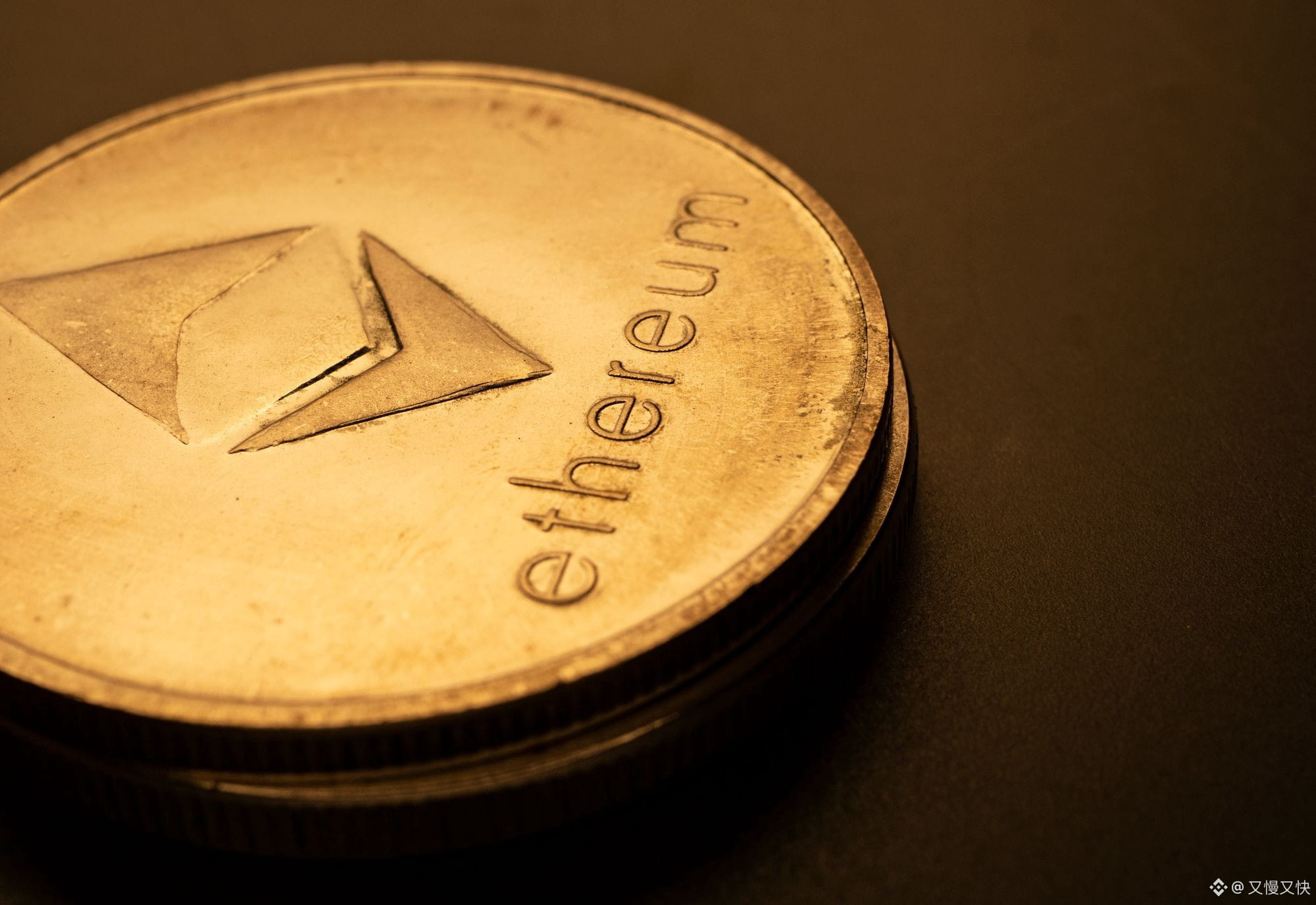
For on-chain lending scenarios involving platforms like AAVE, I care more about whether the wallet can independently verify where funds are going and how permissions are changing. If protection fails, the transaction may still consume gas fees; and a guarantee for a single transaction on a single chain doesn’t automatically extend to the entire cross-chain process. The second image is a reference photo of an ETH commemorative coin.
$ETH $USDC $AAVE #On-chainSecurity
Tap my profile picture to view my live trade-following account
When a wallet displays “Simulation successful,” it only means the request would work under the on-chain state used for the simulation. By the time it’s actually included in a block, prices, balances, or contract states may have changed.
The native transaction assertions discussed by the Ethereum Foundation on October 5 aim to perform checks after execution: verify that the final asset changes match requirements specified in advance, and revert the transaction’s main effects if they don’t. This is a proposal, not a protection that every wallet offers today.
For example, when swapping USDC for ETH, you care about the maximum amount you’ll pay, the minimum amount you’ll receive, and whether any unwanted approvals are left behind. A successful transaction can’t answer these questions for you.
What’s easier to overlook is that the rules themselves need to come from a trusted source. If a compromised website both creates the transaction and writes a rule that allows anything, an extra check may be nothing more than window dressing.
For on-chain lending scenarios involving platforms like AAVE, I care more about whether the wallet can independently verify where funds are going and how permissions are changing. If protection fails, the transaction may still consume gas fees; and a guarantee for a single transaction on a single chain doesn’t automatically extend to the entire cross-chain process. The second image is a reference photo of an ETH commemorative coin.
$ETH $USDC $AAVE #On-chainSecurity
Tap my profile picture to view my live trade-following account