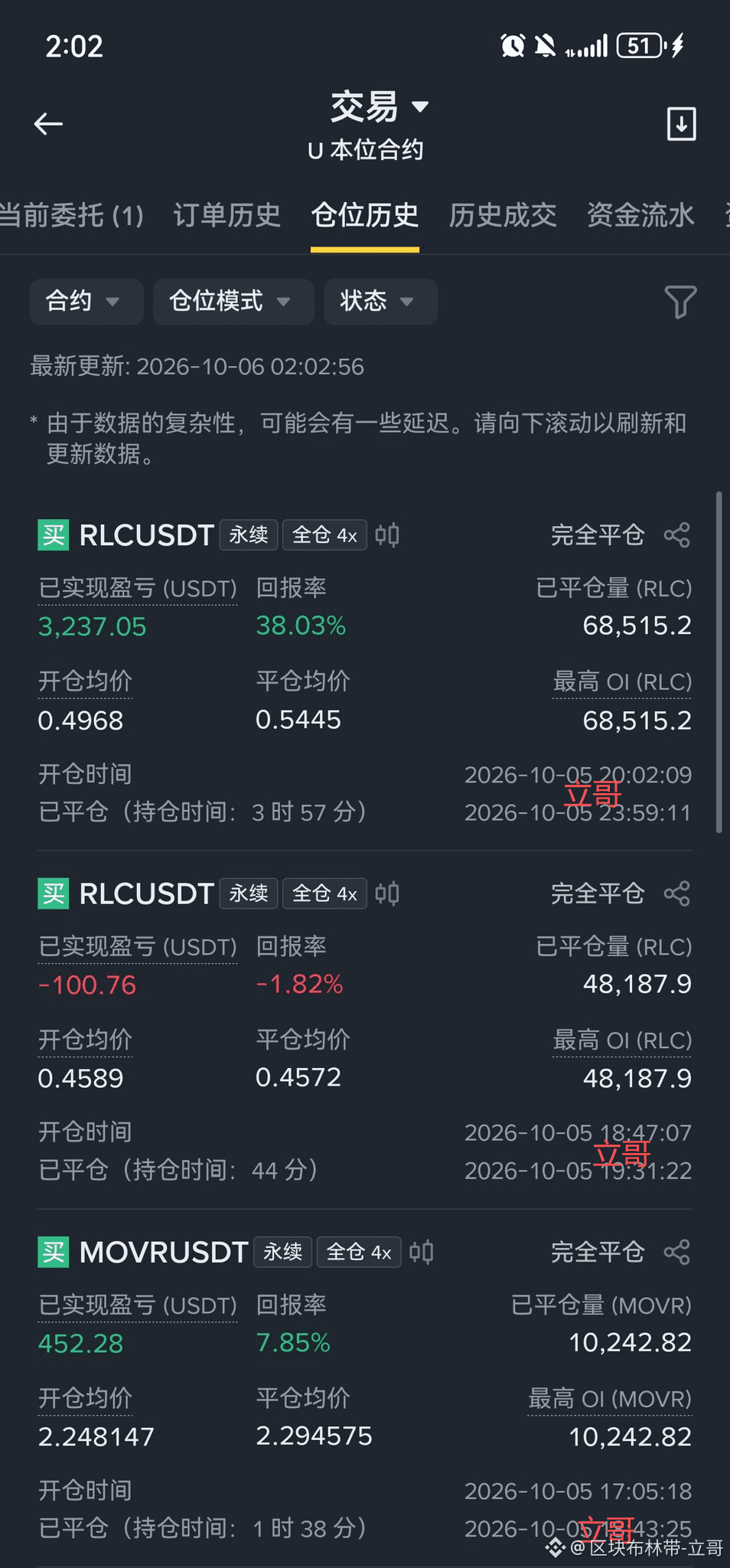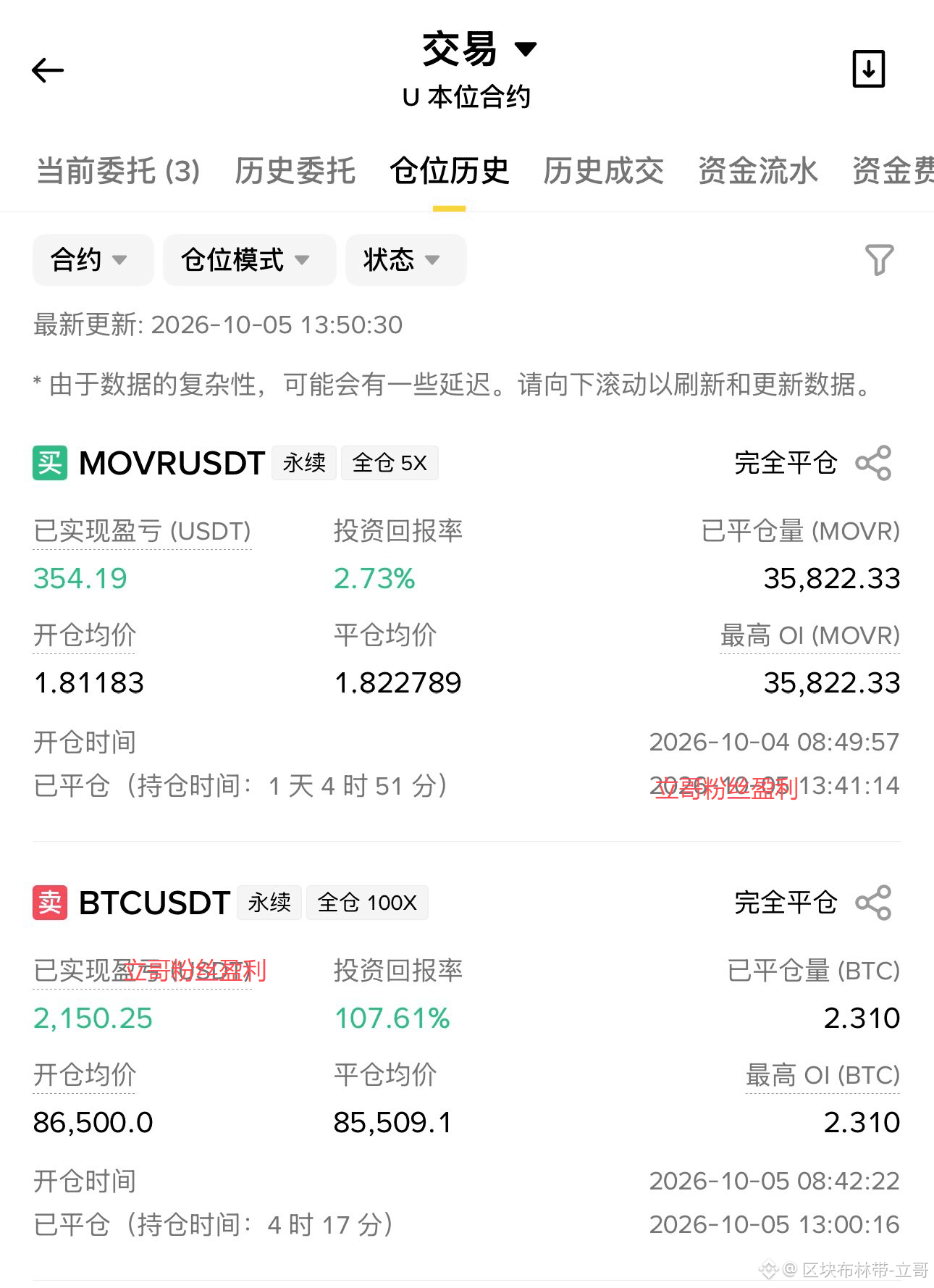
Retail traders who play the short-term game watch the top gainers every day. They chase when they see a rally and panic when they see a pullback. In the end, they either buy at the top or sell just before a breakout. They keep trading back and forth, make no money, rack up fees, and wear themselves out.
Actually, making money from short-term trades isn’t that complicated. People who can turn a steady profit don’t rely on chasing rallies and selling off in a panic—they focus on three key signals.
A breakout on strong volume is the real signal. Some coins trade sideways for a long time, with prices moving back and forth within a range. Then, suddenly, volume picks up noticeably and a big bullish candle breaks straight through resistance—that’s the kind of move worth watching. Strong volume means real money is flowing in, not just a fake pump. A rise without volume usually doesn’t go far. Big players may spend a little to push the price up, lure retail traders in, and then slowly sell off. Remember: the breakout itself isn’t what matters; the volume does. A breakout without volume is just a show.
Buying the dip on a pullback is safer. After a strong coin takes off, it rarely shoots straight to the top without stopping; there’s almost always a shakeout along the way. People who chase the price get trapped, while those who wait for a pullback near key support, with volume drying up and the price stabilizing, get a much better entry. It’s easier to set a stop-loss at this level, and it’s easier to stay calm while holding. If the price takes off again, you’re less likely to get shaken out. Most people aren’t willing to wait. They just think, “If I don’t jump in now, I’ll miss my chance,” and end up getting trapped.
Know how to ride the middle of the wave with leading coins in hot sectors. Whenever a rally begins, the strongest coins are often the first to move. First, look for the sector attracting capital, then see which coin is first to show a surge in volume and break out. Most of the big gains come from the leaders; chasing the laggards is much less likely to pay off. But that doesn’t mean blindly jumping into the leaders—you need to get in as they start moving. If you miss the start and chase after a 50% rise, you’re not riding the middle of the wave; you’re nibbling at the tail.
Even when an opportunity looks great, you need rules: test the waters with a small position and set your stop-loss in advance. If you don’t understand it, don’t trade it. If there’s no volume, don’t trade it. If nobody’s paying attention, don’t trade it either. Short-term trading profits come from discipline. Break the habit of chasing and buying recklessly, learn to read these three signals, and trading really isn’t that hard.
If you’re stuck in a losing position right now, staring at your account and losing sleep, unsure whether to cut your losses or hold on, come talk to me. I’ll help you get your timing back on track—wait when you should wait, and get out when you should. If you want to follow my live trading strategies, message me at #币安推出BinanceIntelligence .
Actually, making money from short-term trades isn’t that complicated. People who can turn a steady profit don’t rely on chasing rallies and selling off in a panic—they focus on three key signals.
A breakout on strong volume is the real signal. Some coins trade sideways for a long time, with prices moving back and forth within a range. Then, suddenly, volume picks up noticeably and a big bullish candle breaks straight through resistance—that’s the kind of move worth watching. Strong volume means real money is flowing in, not just a fake pump. A rise without volume usually doesn’t go far. Big players may spend a little to push the price up, lure retail traders in, and then slowly sell off. Remember: the breakout itself isn’t what matters; the volume does. A breakout without volume is just a show.
Buying the dip on a pullback is safer. After a strong coin takes off, it rarely shoots straight to the top without stopping; there’s almost always a shakeout along the way. People who chase the price get trapped, while those who wait for a pullback near key support, with volume drying up and the price stabilizing, get a much better entry. It’s easier to set a stop-loss at this level, and it’s easier to stay calm while holding. If the price takes off again, you’re less likely to get shaken out. Most people aren’t willing to wait. They just think, “If I don’t jump in now, I’ll miss my chance,” and end up getting trapped.
Know how to ride the middle of the wave with leading coins in hot sectors. Whenever a rally begins, the strongest coins are often the first to move. First, look for the sector attracting capital, then see which coin is first to show a surge in volume and break out. Most of the big gains come from the leaders; chasing the laggards is much less likely to pay off. But that doesn’t mean blindly jumping into the leaders—you need to get in as they start moving. If you miss the start and chase after a 50% rise, you’re not riding the middle of the wave; you’re nibbling at the tail.
Even when an opportunity looks great, you need rules: test the waters with a small position and set your stop-loss in advance. If you don’t understand it, don’t trade it. If there’s no volume, don’t trade it. If nobody’s paying attention, don’t trade it either. Short-term trading profits come from discipline. Break the habit of chasing and buying recklessly, learn to read these three signals, and trading really isn’t that hard.
If you’re stuck in a losing position right now, staring at your account and losing sleep, unsure whether to cut your losses or hold on, come talk to me. I’ll help you get your timing back on track—wait when you should wait, and get out when you should. If you want to follow my live trading strategies, message me at #币安推出BinanceIntelligence .