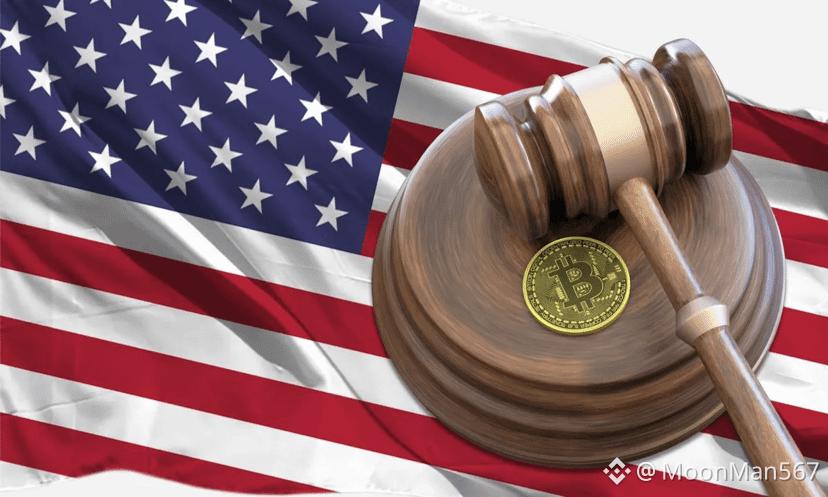
The U.S. has cleared two long-standing crypto proposals from its regulatory agenda.
FinCEN withdrew its 2020 rule on transactions involving self-custody wallets and its 2023 proposal on crypto mixing.
An important detail: neither proposal ever took effect. So this isn’t the repeal of existing restrictions, but the termination of two rulemaking processes that had dragged on for years.
The first proposal would have required banks and money services businesses to collect and report additional data on certain transactions involving unhosted wallets.
The second was intended to tighten oversight of CVC mixing. FinCEN explicitly took into account concerns that a broad definition of mixing could hinder legitimate privacy-related activity.
The agency attributes both decisions to the Trump administration’s deregulation agenda.
What matters more to me here isn’t the word “withdrawn,” but the direction: for now, Washington is choosing not to turn every transaction involving self-custody or privacy tools into a separate regulatory hurdle.
That doesn’t mean crypto privacy has been given a free pass. But one major regulatory risk has definitely diminished today.
If you want to understand where U.S. crypto regulation is really changing—and where the headlines are exaggerating—subscribe at @MoonMan567
FinCEN withdrew its 2020 rule on transactions involving self-custody wallets and its 2023 proposal on crypto mixing.
An important detail: neither proposal ever took effect. So this isn’t the repeal of existing restrictions, but the termination of two rulemaking processes that had dragged on for years.
The first proposal would have required banks and money services businesses to collect and report additional data on certain transactions involving unhosted wallets.
The second was intended to tighten oversight of CVC mixing. FinCEN explicitly took into account concerns that a broad definition of mixing could hinder legitimate privacy-related activity.
The agency attributes both decisions to the Trump administration’s deregulation agenda.
What matters more to me here isn’t the word “withdrawn,” but the direction: for now, Washington is choosing not to turn every transaction involving self-custody or privacy tools into a separate regulatory hurdle.
That doesn’t mean crypto privacy has been given a free pass. But one major regulatory risk has definitely diminished today.
If you want to understand where U.S. crypto regulation is really changing—and where the headlines are exaggerating—subscribe at @MoonMan567