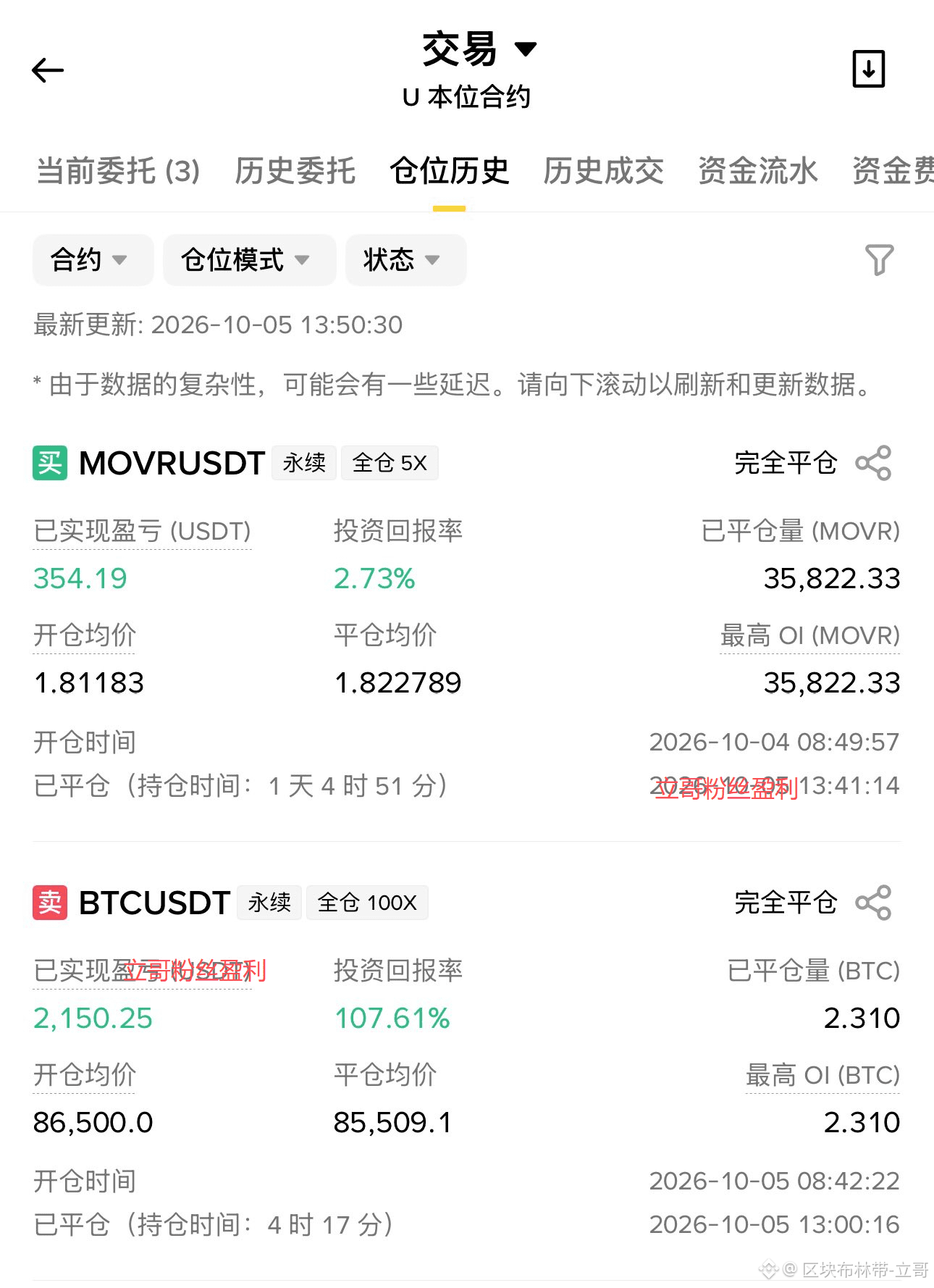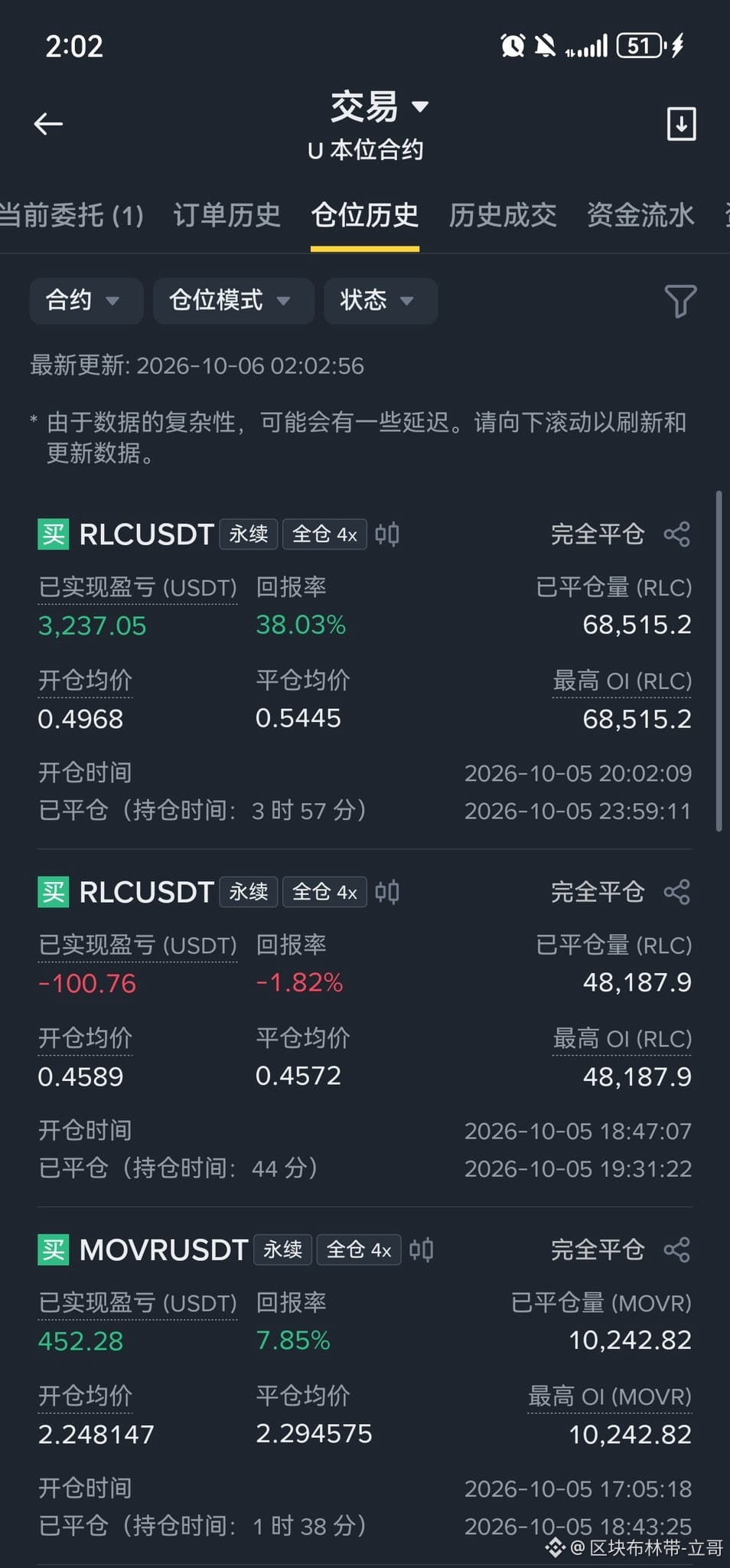
Trading contracts really is one of the fastest ways for ordinary people to turn their fortunes around. Add leverage, get the direction right, and one market move can match years of someone else’s gains. But no one would disagree that it can also be the most dangerous abyss: get the direction wrong, and a few minutes can wipe out months of hard work. $SNDK
People trade contracts in the same market, but some use them as a tool while others use them to gamble. Those who treat them as a tool understand that leverage is meant to magnify certainty, not to bet on direction. They wait for the trend to be confirmed before using leverage. If they’re wrong, they cut their losses quickly; if they’re right, they let their profits run. $BTC
Those who treat contracts as a gamble don’t think about how much they could lose if a trade goes wrong. They only focus on “how much they could make.” When the market turns against them, they keep holding on until they’re liquidated, then regret it. What you make in ten winning trades isn’t enough to cover one loss. The market isn’t simply being cruel—you’re using it the wrong way.
There’s nothing wrong with contracts themselves, but most people only see the “fastest way to turn things around” when they start trading, and miss the most brutal side of the abyss. If you focus only on returns, you won’t see where the risks are. And risk is precisely what determines whether you survive.
Those who have turned their fortunes around trading contracts didn’t do so because they guessed one market move correctly. They did it by having the courage to hold when they were right and to exit when they were wrong, while following their rules with every trade. Those who lose everything often haven’t thought through the risks before entering a trade, and then let their emotions dictate when they exit. $ZEC
Whether you can use contracts well doesn’t depend on how accurate your predictions are. It depends on whether you have a system that can keep risk firmly under control. Before entering a trade, calculate exactly how much you could lose if it goes wrong. If you can’t accept that amount, don’t take the trade. Keep your position size at a level that lets you sleep at night. Leverage is for reducing the amount of capital tied up, not for gambling with your life.
Once you set a stop-loss, don’t move it. When it’s hit, get out—no hesitation. When your take-profit level is reached, take your profits; don’t get greedy for one last bit. Without a system, contracts are like a gun with no safety: anyone can pull the trigger, but you never know who it’ll hit. With a system, contracts become a tool that helps you turn your judgment into profit.
Whether contracts are a tool or a way to gamble doesn’t depend on the contracts themselves. It depends on whether you have a system in place when you use them. If you’re still struggling back and forth with contract trading, feel free to reach out. Follow me, and let’s find our way to solid ground together. #以太坊Q3涨70%流动性下降
People trade contracts in the same market, but some use them as a tool while others use them to gamble. Those who treat them as a tool understand that leverage is meant to magnify certainty, not to bet on direction. They wait for the trend to be confirmed before using leverage. If they’re wrong, they cut their losses quickly; if they’re right, they let their profits run. $BTC
Those who treat contracts as a gamble don’t think about how much they could lose if a trade goes wrong. They only focus on “how much they could make.” When the market turns against them, they keep holding on until they’re liquidated, then regret it. What you make in ten winning trades isn’t enough to cover one loss. The market isn’t simply being cruel—you’re using it the wrong way.
There’s nothing wrong with contracts themselves, but most people only see the “fastest way to turn things around” when they start trading, and miss the most brutal side of the abyss. If you focus only on returns, you won’t see where the risks are. And risk is precisely what determines whether you survive.
Those who have turned their fortunes around trading contracts didn’t do so because they guessed one market move correctly. They did it by having the courage to hold when they were right and to exit when they were wrong, while following their rules with every trade. Those who lose everything often haven’t thought through the risks before entering a trade, and then let their emotions dictate when they exit. $ZEC
Whether you can use contracts well doesn’t depend on how accurate your predictions are. It depends on whether you have a system that can keep risk firmly under control. Before entering a trade, calculate exactly how much you could lose if it goes wrong. If you can’t accept that amount, don’t take the trade. Keep your position size at a level that lets you sleep at night. Leverage is for reducing the amount of capital tied up, not for gambling with your life.
Once you set a stop-loss, don’t move it. When it’s hit, get out—no hesitation. When your take-profit level is reached, take your profits; don’t get greedy for one last bit. Without a system, contracts are like a gun with no safety: anyone can pull the trigger, but you never know who it’ll hit. With a system, contracts become a tool that helps you turn your judgment into profit.
Whether contracts are a tool or a way to gamble doesn’t depend on the contracts themselves. It depends on whether you have a system in place when you use them. If you’re still struggling back and forth with contract trading, feel free to reach out. Follow me, and let’s find our way to solid ground together. #以太坊Q3涨70%流动性下降