



family members
The transnational scheme operates through mobile apps that extract users’ private data and photos. A recent case in the country illustrates the modus operandi: money is deposited, then victims are pressured to repay multiples of that amount under threats to defame them
A new form of cyberfraud and extortion, known internationally as “montadeudas” (debt-trap scams), has begun claiming victims in Venezuela. Digital security organizations are warning about the rise of instant-loan apps that, far from being a legitimate financial solution, serve as tools for data extraction and psychological blackmail.
The impact of this scheme was recently illustrated by the case of a Venezuelan man who was targeted by this criminal network. Lured by the promise of a quick loan with no requirements, he downloaded two apps onto his phone, as he told El Pitazo on October 5. Without having signed any clear terms or conditions, the platform deposited $90 directly into his bank account.
The user paid the interest on time; however, after being late once, they began receiving threatening WhatsApp messages demanding payment of a supposed debt with excessive penalties.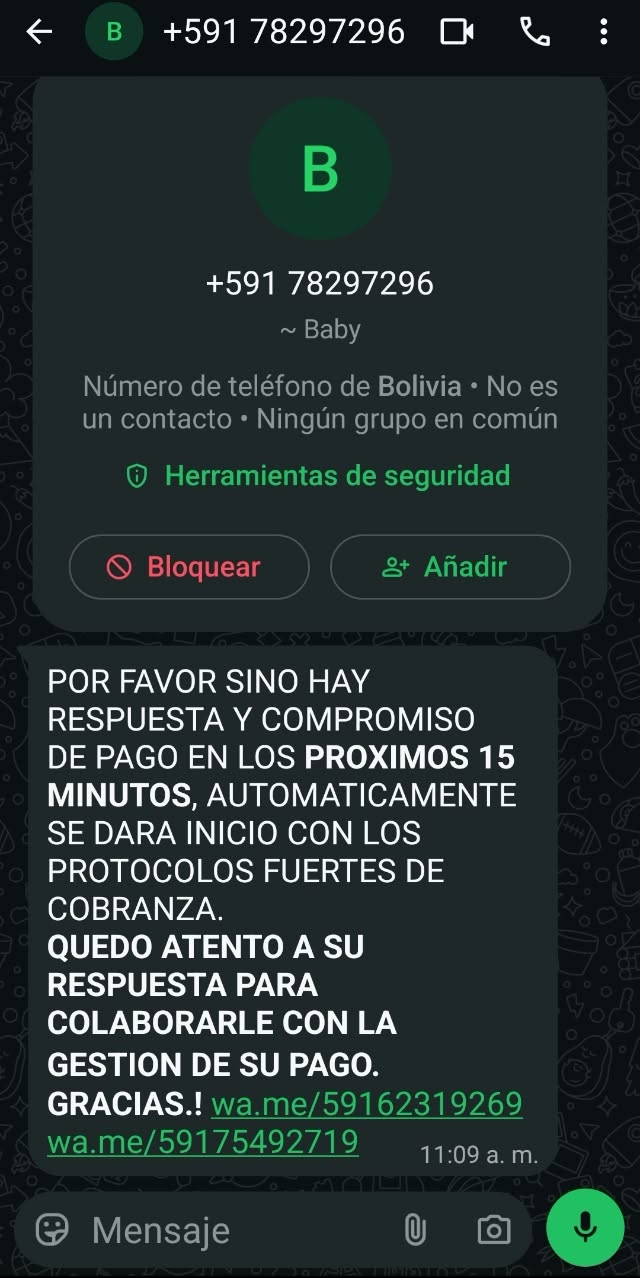
As a means of applying pressure, the system’s operators took images from the user’s Instagram account and widely distributed them among their contacts, along with false messages publicly labeling the user a “scammer” and a “thief,” causing serious damage to their reputation and family life. “They charged me $140 for a $90 loan,” said the victim.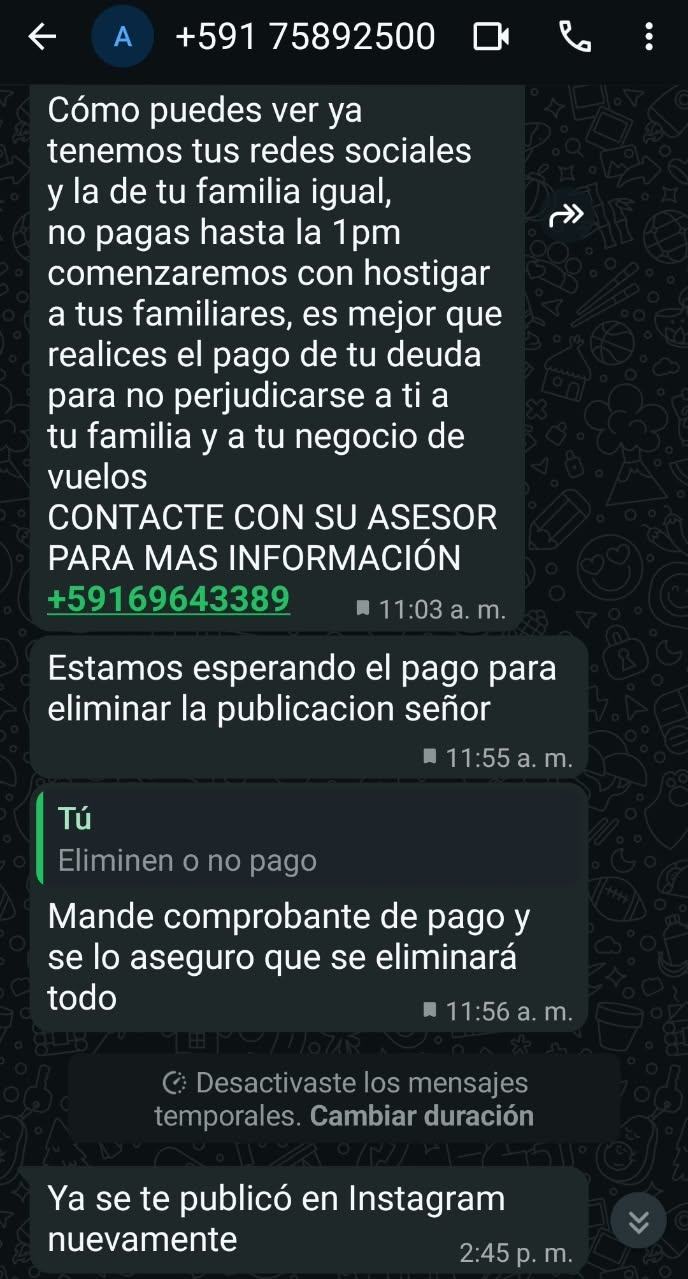
“I told them: If my record has been good and I’ve been making payments, why would you take these measures against my family over a few days’ delay and create fake photos involving minors? That’s a crime,” the victim recalled, describing the harassment they had endured.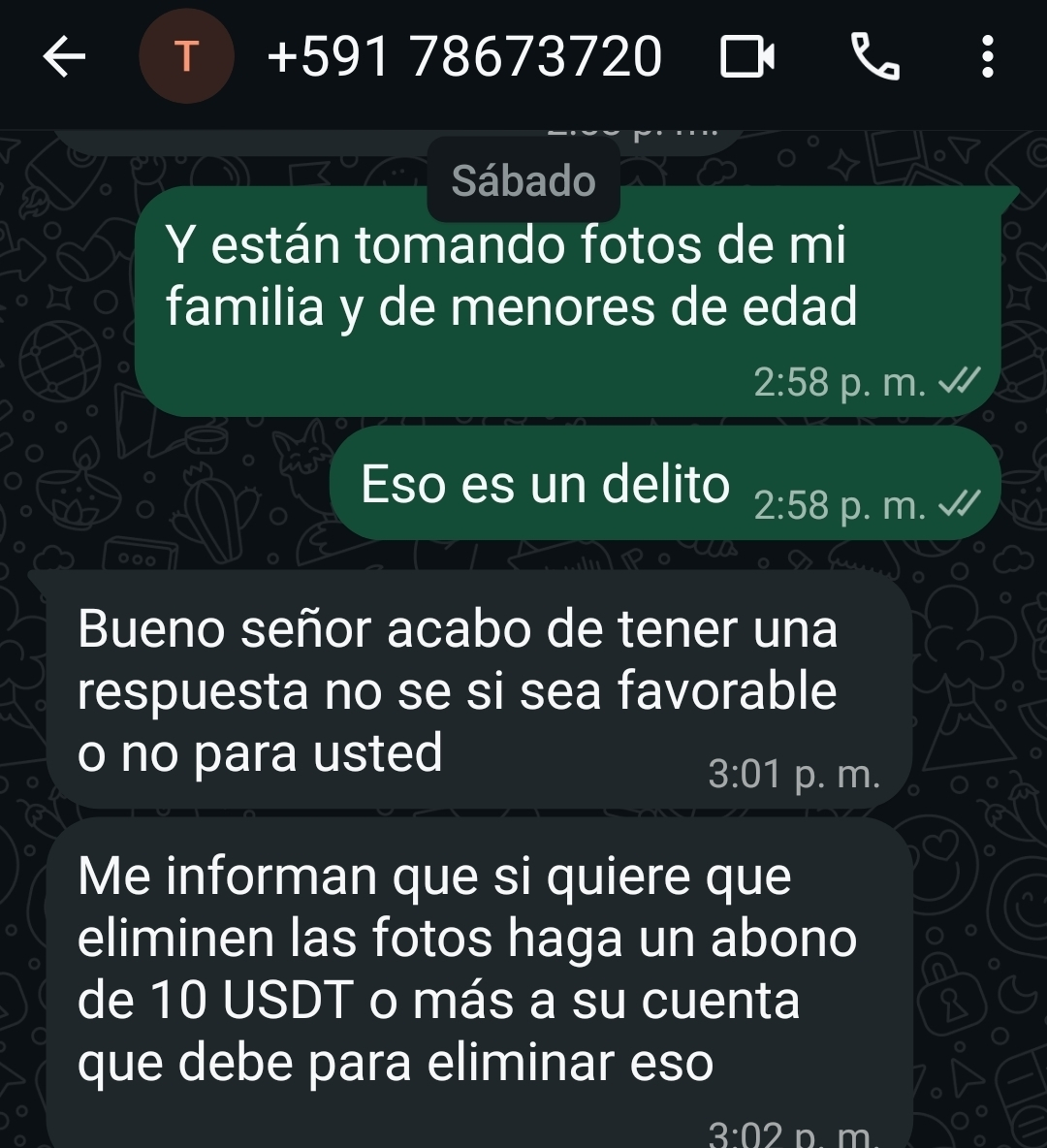
The same modus operandi is spreading across social media
Through the TikTok platform, other Venezuelan users have broken their silence to expose the same pattern. “You apply for a loan, the money is transferred to you, but when you check, you’ve received much less than you requested, with the excuse that the difference was taken as processing fees,” explained one of the victims.
The complaints detail how these platforms manage to bypass security filters by being available in official stores such as the Google Play Store. Although they appear to have a good reputation, cybersecurity specialists suspect that bots and automated accounts are being used to inflate the apps’ ratings, creating a false sense of trust among the general public.
Complaints have also implicated apps operating in the digital ecosystem. “They messaged me on WhatsApp to threaten me even though I’d already paid off the loan; they falsely accused me of being a scammer,” another victim said.
The diversification of payment methods and currencies has become a recurring feature in these reports. “I applied for a loan of 1,000 bolívares, but they deposited just $5 into my Binance account and then demanded that I pay the equivalent of $82, threatening to post a ‘scammer’ notice about me on my social media,” another victim said.
In response to the seriousness of the situation and the surge in complaints, the Superintendency of Banking Sector Institutions (Sudeban) issued a public alert about the Unit Finance app, identifying it as a digital platform illegally offering quick loans in the country because it does not have the regulatory authorizations required to operate in the national financial system.
What is the “Montadeudas” scheme?
The term “Montadeudas” originated as a way to describe shell companies that run illegal microloan apps. Their strategy has three critical stages:
The hook: They advertise on platforms such as Facebook, Instagram, and TikTok, offering easy, instant loans in dollars or local currency without checking credit history.
Data harvesting: When installed, the app requires permission to access the user’s contact list, photo gallery, videos, location, and social media accounts.
Mass extortion: If someone is a few hours late with a payment or tries to cancel the process, the collectors—operating from clandestine call centers—begin harassing them. They use stolen photos to create defamatory images and send threatening messages to everyone in the victim’s contact list.
Countries with the highest crime rates
This is a transnational operation, usually coordinated by networks with bases in Asia and Latin America. The countries where this crime is most prevalent, and where strict regulations and arrests are already in place, are:
Mexico: The term became widespread here, and authorities have dismantled dozens of call centers linked to international criminal networks.
Colombia and Peru: Thousands of complaints are filed each year about apps impersonating legally established financial institutions.
Argentina and Chile: Both are seeing a rapid increase in complaints involving fake digital credit cooperatives.
Venezuela: It is emerging as the latest market for these criminal groups to expand into, as they exploit the need for quick financing and the lack of widespread information about financial cybersecurity.
How can you avoid falling into the trap?
Cybersecurity specialists recommend taking the following urgent measures:
Don’t download suspicious apps: Avoid installing loan apps advertised on social media or not endorsed by the Superintendency of Banking Sector Institutions (SUDEBAN) or other official regulators.
Check your phone’s permissions: No legitimate financial app needs access to your personal photo gallery, camera, or contact list to approve a loan. If it asks for these, it’s a scam.
Lock down your social media: Set your Instagram and Facebook accounts to “Private” to prevent others from collecting your photos or follower lists.
Don’t give in to blackmail: If you become a victim, international authorities advise you not to make any further deposits. Paying does not stop the extortion; on the contrary, the criminals will demand more money.
Warn those around you: Immediately tell family and friends that you’ve been hacked so they can ignore any defamatory messages or attempts to collect money in your name.
Victims in Venezuela should gather all screenshots, phone numbers, and transfer receipts to file a formal complaint with the Cicpc’s Division of Cybercrime.
#Aplicaciones #ciberseguridad #estafas #estafa #Latinoamérica $BTC $BDXN $GNO