


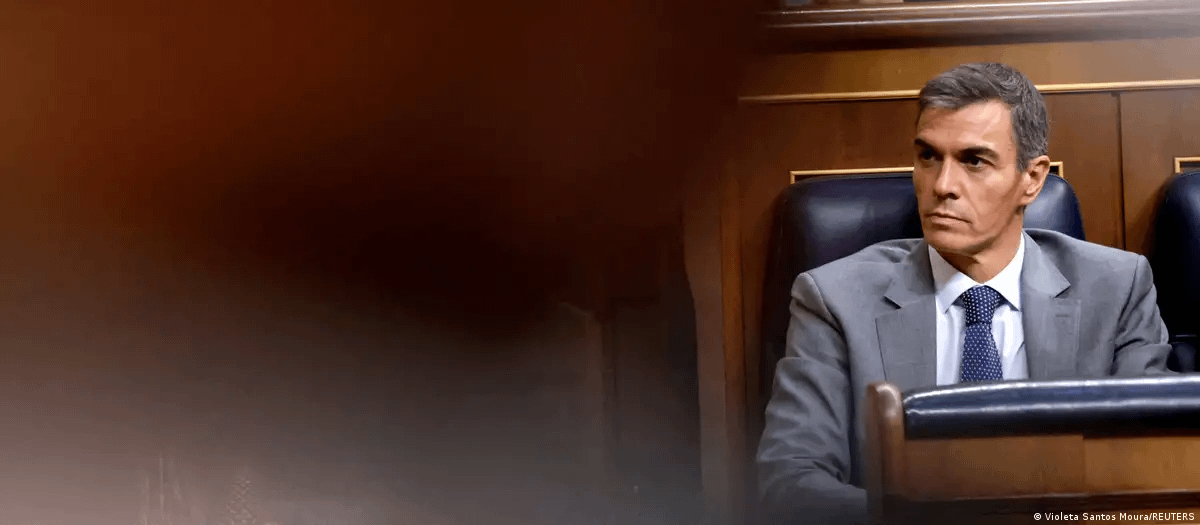
Spanish Prime Minister and Socialist Pedro Sánchez announced on the morning of October 5 that parliament would be dissolved and early elections held in the country. He justified his decision by citing the critical situation that had arisen after parliament rejected the government’s housing market reform, which had been adopted the previous day. The events of recent weeks have been accompanied by mass protests by people dissatisfied with the lack of solutions to the country’s pressing housing crisis and other vital issues. According to statistics, Spain is short of at least 750,000 apartments.
Statement by Spanish Prime Minister Pedro Sánchez
In his brief address, the prime minister summed up his time in office since 2018. He described the coalition government, made up of the Spanish Socialist Workers' Party and the far-left populists of the Sumar group, as “progressive.”
According to Sánchez, it “achieved tremendous success” and made Spain “the most advanced country in Europe.” Meanwhile, throughout these years, “opposition forces in parliament stood in the way of even greater progress for Spain.” Progress was also hindered by the pandemic and natural disasters, including earthquakes, floods, and wildfires.
In Sánchez’s view, the government had successfully tried to solve the housing problem. However, right-wing and far-right lawmakers in parliament, who he said represented “the interests of housing speculators,” blocked an important reform that could have overcome the difficulties. So now, the prime minister continued, he was asking Spaniards to decide the country’s fate in the upcoming election, so that they could “continue along the path of progress.”
What is behind the political crisis?
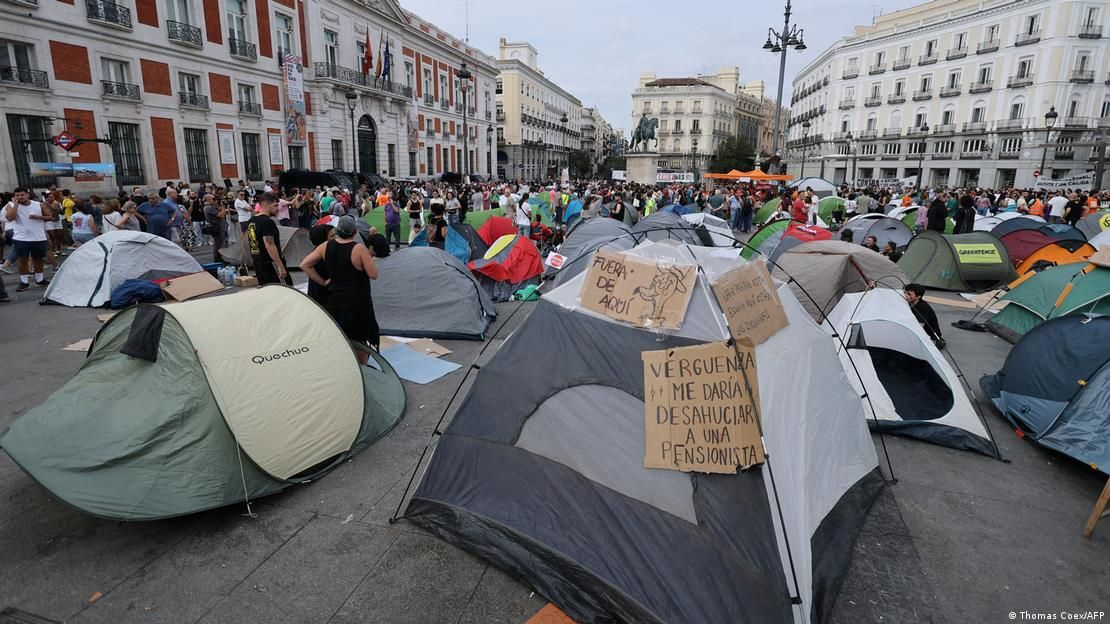
The crisis and the dissolution of parliament “came as no surprise,” political science professor Francisco Alvarez of a Madrid university told DW. According to him, calls for the prime minister to take this step came not only from opposition parties in parliament, but even from members of the Socialist Party leadership and some ministers. The reason was that “the authorities’ inability to solve the country’s major problems, economic and social turmoil, and the constant corruption scandals at the highest levels of government had exhausted the public’s patience.” Thousands of people had taken part in political protests in recent months.
The immediate trigger for the current crisis was the case involving the eviction of 87-year-old Madrid resident Maricarmen Abascal from her apartment. Although a court had ordered the eviction of the woman, who had failed to pay the proper rent for 20 years, the case sparked widespread outrage and protests given the age of the person being evicted. The situation involving the pensioner was eventually resolved in her favor, but the protests continued.
Early elections to be held in Spain
In an attempt to normalize the situation, the authorities introduced a housing market reform, which was rejected by parliament. The reform would have brought prices on the market under control, prohibited the eviction of people who failed to pay their rent, and introduced lifetime leases. In other words, once an owner rented out an apartment, they would no longer be able to get rid of the tenant. Opponents of the reform—opposition lawmakers and real estate experts—unanimously said it could lead owners to stop renting out their apartments altogether, thereby collapsing the housing market.
Early elections have been scheduled for November 29. Despite public dissatisfaction with the current authorities, the election results are difficult to predict at this point, according to most observers interviewed by DW. The political landscape is extremely complex, and much depends on the ability of opposing sides—the left and the right—to win over regional nationalists: Catalans, Galicians, and Basques.