USDC hasn’t changed, so why might an old cross-chain integration stop working?
The balance is still called USDC, and the wallet still opens. That doesn’t mean the cross-chain routes behind it will work the same way forever. Asset names, on-chain contracts, and calling interfaces are different things.
Tonight, I reread Circle’s August 27 CCTP migration notice. It clearly states that the new version uses new contracts and interfaces and is not backward-compatible with the old version. Integrating an application once doesn’t mean it will automatically support the new version later.
The impact on fund allocation is very real. Suppose a program still calls the old endpoint: the interface may show a balance, but the transfer could fail. If an arbitrage plan treats those funds as readily available on the other side, the estimated time and cost could be off. This is a hypothetical scenario, not a claim that an outage has occurred tonight.
Migration reviews should be specific to each route: which source chain, which destination chain, which version, and who maintains it. Retirement plans should also be checked route by route; don’t apply one general timeline to every network.
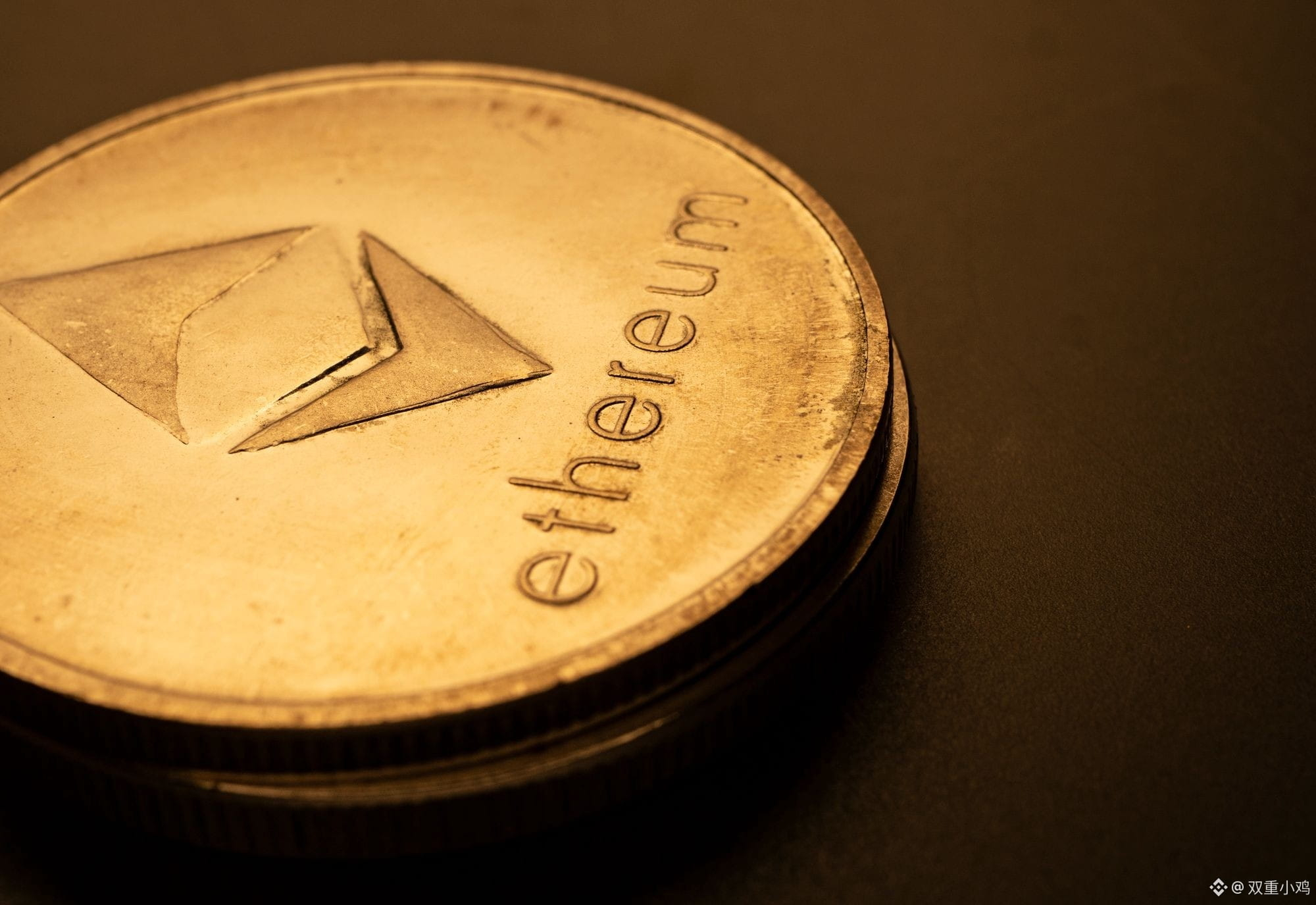
When looking at USDC across networks such as Ethereum and Solana, pay attention not only to the amount issued but also to whether applications have connected to the new routes. The coin’s name hasn’t changed, but the conditions for using it may have. The second image is a reference photo of an ETH commemorative coin, shown only to illustrate network-related assets.
$USDC $ETH $SOL #Stablecoins
Tap my profile picture to view my live copy-trading account
The balance is still called USDC, and the wallet still opens. That doesn’t mean the cross-chain routes behind it will work the same way forever. Asset names, on-chain contracts, and calling interfaces are different things.
Tonight, I reread Circle’s August 27 CCTP migration notice. It clearly states that the new version uses new contracts and interfaces and is not backward-compatible with the old version. Integrating an application once doesn’t mean it will automatically support the new version later.
The impact on fund allocation is very real. Suppose a program still calls the old endpoint: the interface may show a balance, but the transfer could fail. If an arbitrage plan treats those funds as readily available on the other side, the estimated time and cost could be off. This is a hypothetical scenario, not a claim that an outage has occurred tonight.
Migration reviews should be specific to each route: which source chain, which destination chain, which version, and who maintains it. Retirement plans should also be checked route by route; don’t apply one general timeline to every network.
When looking at USDC across networks such as Ethereum and Solana, pay attention not only to the amount issued but also to whether applications have connected to the new routes. The coin’s name hasn’t changed, but the conditions for using it may have. The second image is a reference photo of an ETH commemorative coin, shown only to illustrate network-related assets.
$USDC $ETH $SOL #Stablecoins
Tap my profile picture to view my live copy-trading account