
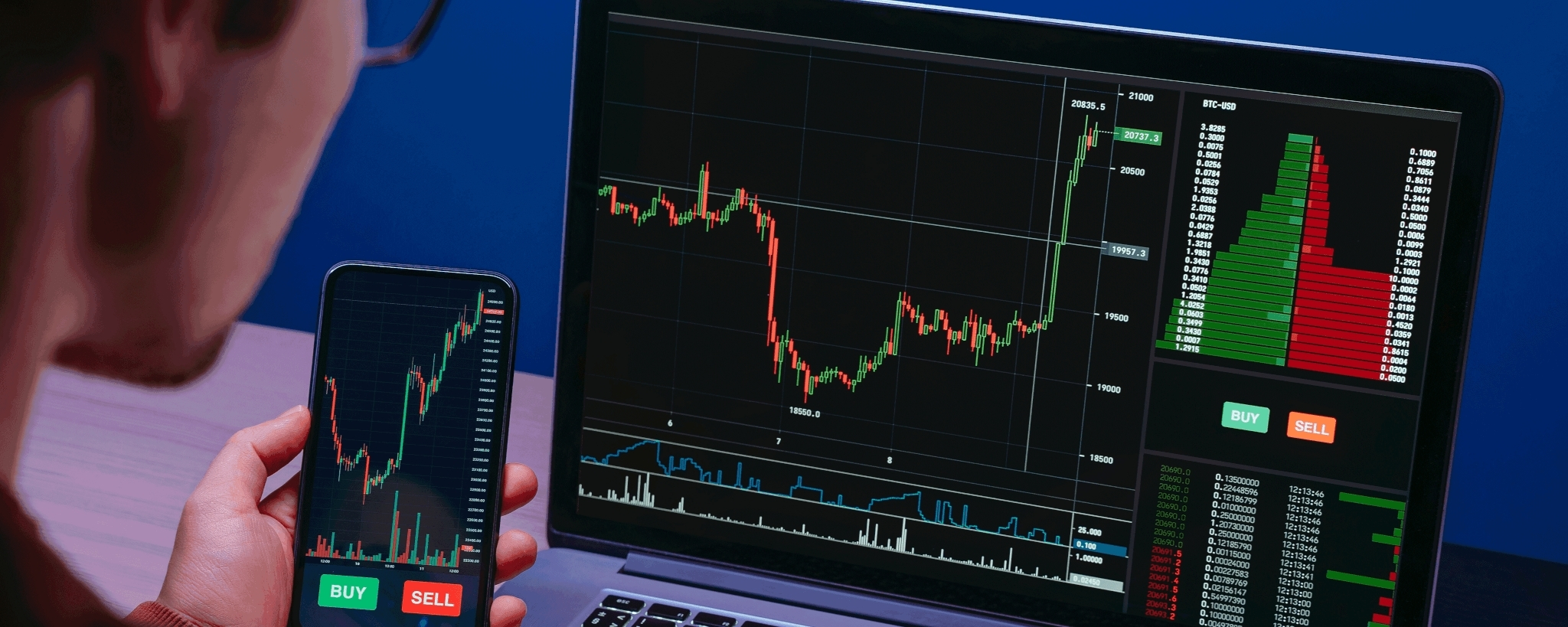

Getting started in trading can seem simple: buy when the price drops and sell when it rises. But in practice, risk management and discipline are just as important as market analysis.
If you're just starting out, these 10 tips can help you avoid some of the most common mistakes. 👇
1️⃣ NEVER TRADE WITHOUT A PLAN
Before opening a trade, you should know:
🎯 Where will you enter?
🛑 Where will you exit if the analysis fails?
💰 How much are you willing to lose?
📈 What is your target?
Entering simply because “it looks like it’s going to go up” is not a strategy.
2️⃣ LEARN TO MANAGE RISK 🛡️
A good trade isn’t necessarily one that wins, but one where the risk is under control.
Avoid putting too much of your capital into a single trade.
📌 Remember: protecting your capital is a priority.
3️⃣ USE A STOP LOSS 🛑
A Stop Loss can help you limit a loss when the market moves against your scenario.
Don’t wait indefinitely thinking:
“It’s sure to go back up.”
The market can keep moving against you for much longer than you expect.
4️⃣ DON’T USE EXCESSIVE LEVERAGE ⚠️
Leverage increases your exposure and, therefore, can also quickly increase your losses.
If you’re still learning, first master risk management and trading without leverage.
More leverage ≠ more skill.
5️⃣ DON’T CHASE THE PRICE 🚀
If a cryptocurrency has just risen 20%, 30%, or more, entering out of fear of missing the move can be dangerous.
Sometimes the best trade is not to enter.
Wait for a structure you can understand and manage.
6️⃣ LEARN TO READ PRICE ACTION 📊
You don’t need to use 20 indicators.
Start by understanding:
🔹 Support and resistance
🔹 Trends
🔹 Volume
🔹 Breakouts and retests
🔹 Highs and lows
🔹 Market structure
First learn to interpret price action; then add tools.
7️⃣ DON’T CHANGE STRATEGIES EVERY DAY
A strategy needs enough trades to evaluate whether it really works.
If you use one strategy today, another tomorrow, and a different one the day after, it will be hard to know what is and isn’t working.
📓 Keep a trading journal.
Record your entry, exit, reason for the trade, result, and mistakes made.
8️⃣ CONTROL YOUR EMOTIONS 🧠
Fear and greed can lead you to:
❌ Entering late
❌ Closing too early
❌ Increasing your risk after a loss
❌ Overtrading
❌ Moving your Stop Loss to avoid accepting a loss
A controlled loss is part of trading.
The danger is turning a small loss into a huge one.
9️⃣ DON’T TRY TO RECOVER A LOSS RIGHT AWAY
After losing a trade, avoid increasing the size of the next one just to recover your money.
This can create a dangerous cycle:
📉 Loss → more risk → another loss → even more risk.
If you lose, first analyze what happened.
🔟 BE PATIENT ⏳
Trading isn’t a get-rich-quick formula.
Your initial goal should be to:
📚 Learn
🛡️ Protect your capital
📊 Build a strategy
🧠 Develop discipline
📈 Improve over time
🔥 A RULE EVERY BEGINNER SHOULD REMEMBER
You don’t need to win every trade.
You need to control your losses and stick to a strategy with a risk/reward ratio that makes sense for you.
The market will be here tomorrow, next week, and next month.
👉 Don’t risk today what you’ll need to keep learning tomorrow.
⚠️ Important: cryptocurrency trading involves a high level of risk, and you could lose some or even all of the capital invested. This post is for educational purposes and does not constitute financial advice or a recommendation to buy or sell. #BTC #bnb #Ethereum
💬 What advice would you give someone who has just started trading?