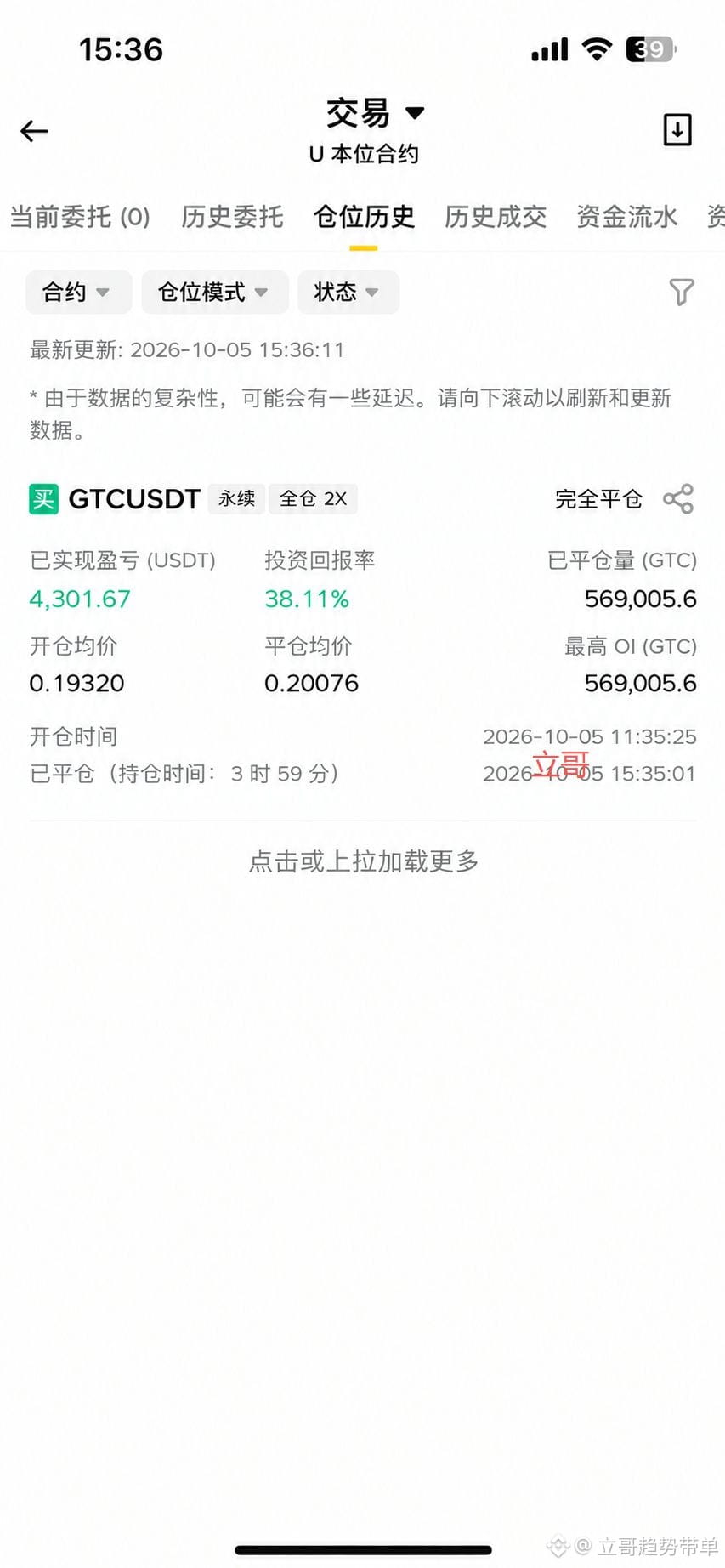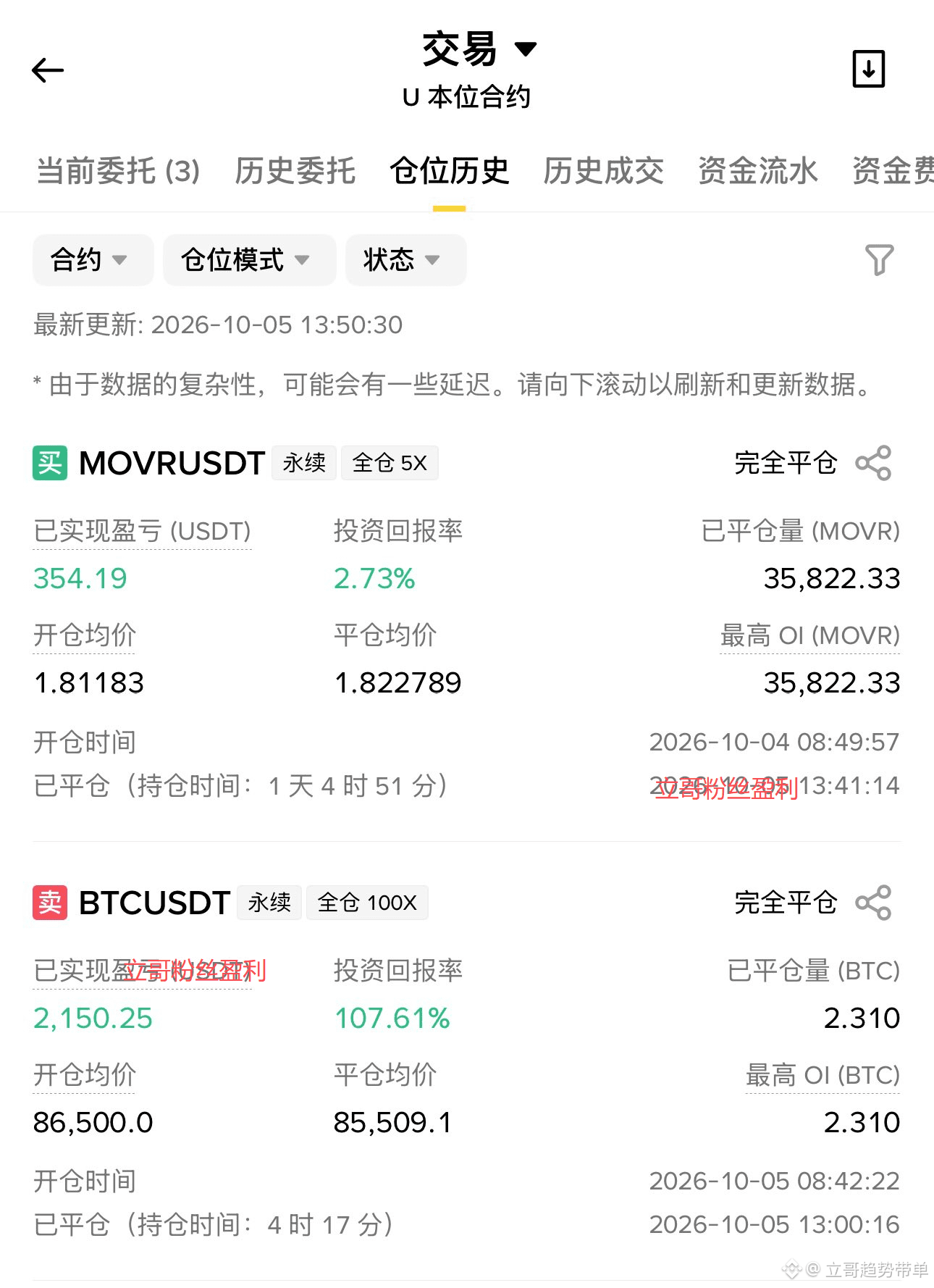
If you want to survive in crypto with a small account, you don’t need a particularly clever strategy. Doing less is better than anything else. Many people enter the market with just a few hundred dollars and place seven or eight trades a day, thinking they’re working hard to make money. But the truth is, trading in and out like that every day means you don’t even make enough to cover the fees. The market hasn’t moved, but your capital has slowly been worn away.
The biggest thing to avoid with a small account is acting on impulse. You see prices rising and want to chase them; you see them falling and want to buy the dip. If you don’t have a position, you feel like you’re missing out on the market. But think about it carefully: how often have you turned things around by placing just one more trade? Hardly ever.
Most of the time, it’s those extra trades that drag you into losses. The essence of overtrading is making mistakes over and over. The more trades you place, the more mistakes you make—and a small account has the least room for error.
The right pace for a small account is to stick to a simple set of rules and follow them consistently. Use the trend to determine direction: if the moving averages are rising, only go long; if they’re falling, only go short. Wait for a signal before entering. If the price reaches your level, act; if it doesn’t, stay put. Set your take-profit and stop-loss levels in advance, and exit as soon as either is hit—no hesitation. These rules aren’t fancy, but they don’t require much thought. You just have to follow them properly.
I’ve seen so many people feel uneasy when they don’t have a position, thinking that being out of the market means losing money. But look back at the trades that cost you the most. Weren’t they made impulsively in terrible market conditions? You knew you couldn’t make sense of the market, but you still got in. Why? Because you couldn’t keep your hands off the keyboard. Because you were afraid of missing out. In the end, you didn’t miss out—you made the wrong move.
The biggest enemy of a small account has never been the market. It’s your own desire to turn things around quickly. The more you rush, the more likely you are to lose your discipline. The more undisciplined you get, the more you lose. In the end, you’re not defeated by the market—you’re defeated by your own impatience.
Trade less, stick to your rules, and keep your hands off the controls. If you can do these three things, even a small account can survive and grow over time.
If you’re still chasing every rally and panic-selling every dip, come talk to me. I’ll help you slow things down. Follow me, and let’s get through this together. #以太坊质押退出队列创2026年新高
The biggest thing to avoid with a small account is acting on impulse. You see prices rising and want to chase them; you see them falling and want to buy the dip. If you don’t have a position, you feel like you’re missing out on the market. But think about it carefully: how often have you turned things around by placing just one more trade? Hardly ever.
Most of the time, it’s those extra trades that drag you into losses. The essence of overtrading is making mistakes over and over. The more trades you place, the more mistakes you make—and a small account has the least room for error.
The right pace for a small account is to stick to a simple set of rules and follow them consistently. Use the trend to determine direction: if the moving averages are rising, only go long; if they’re falling, only go short. Wait for a signal before entering. If the price reaches your level, act; if it doesn’t, stay put. Set your take-profit and stop-loss levels in advance, and exit as soon as either is hit—no hesitation. These rules aren’t fancy, but they don’t require much thought. You just have to follow them properly.
I’ve seen so many people feel uneasy when they don’t have a position, thinking that being out of the market means losing money. But look back at the trades that cost you the most. Weren’t they made impulsively in terrible market conditions? You knew you couldn’t make sense of the market, but you still got in. Why? Because you couldn’t keep your hands off the keyboard. Because you were afraid of missing out. In the end, you didn’t miss out—you made the wrong move.
The biggest enemy of a small account has never been the market. It’s your own desire to turn things around quickly. The more you rush, the more likely you are to lose your discipline. The more undisciplined you get, the more you lose. In the end, you’re not defeated by the market—you’re defeated by your own impatience.
Trade less, stick to your rules, and keep your hands off the controls. If you can do these three things, even a small account can survive and grow over time.
If you’re still chasing every rally and panic-selling every dip, come talk to me. I’ll help you slow things down. Follow me, and let’s get through this together. #以太坊质押退出队列创2026年新高