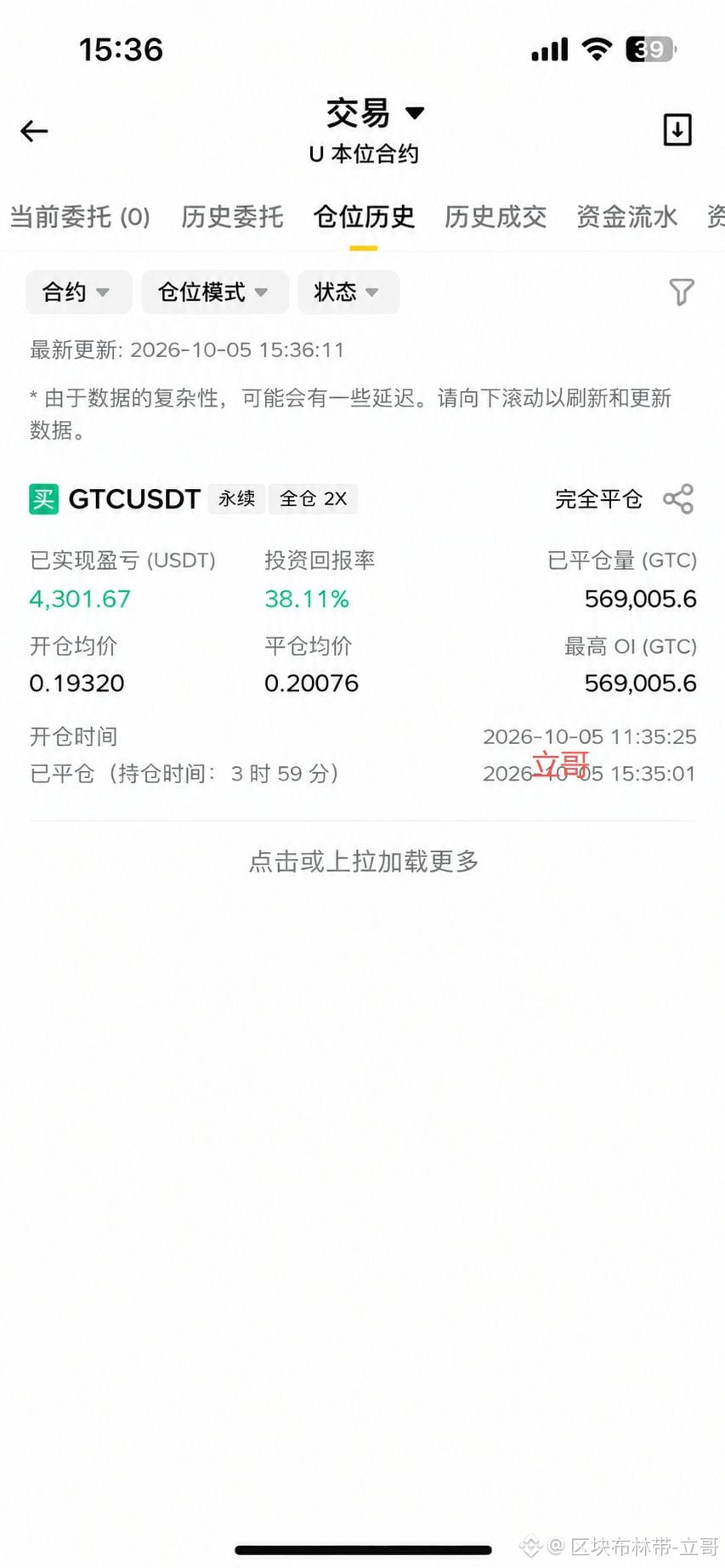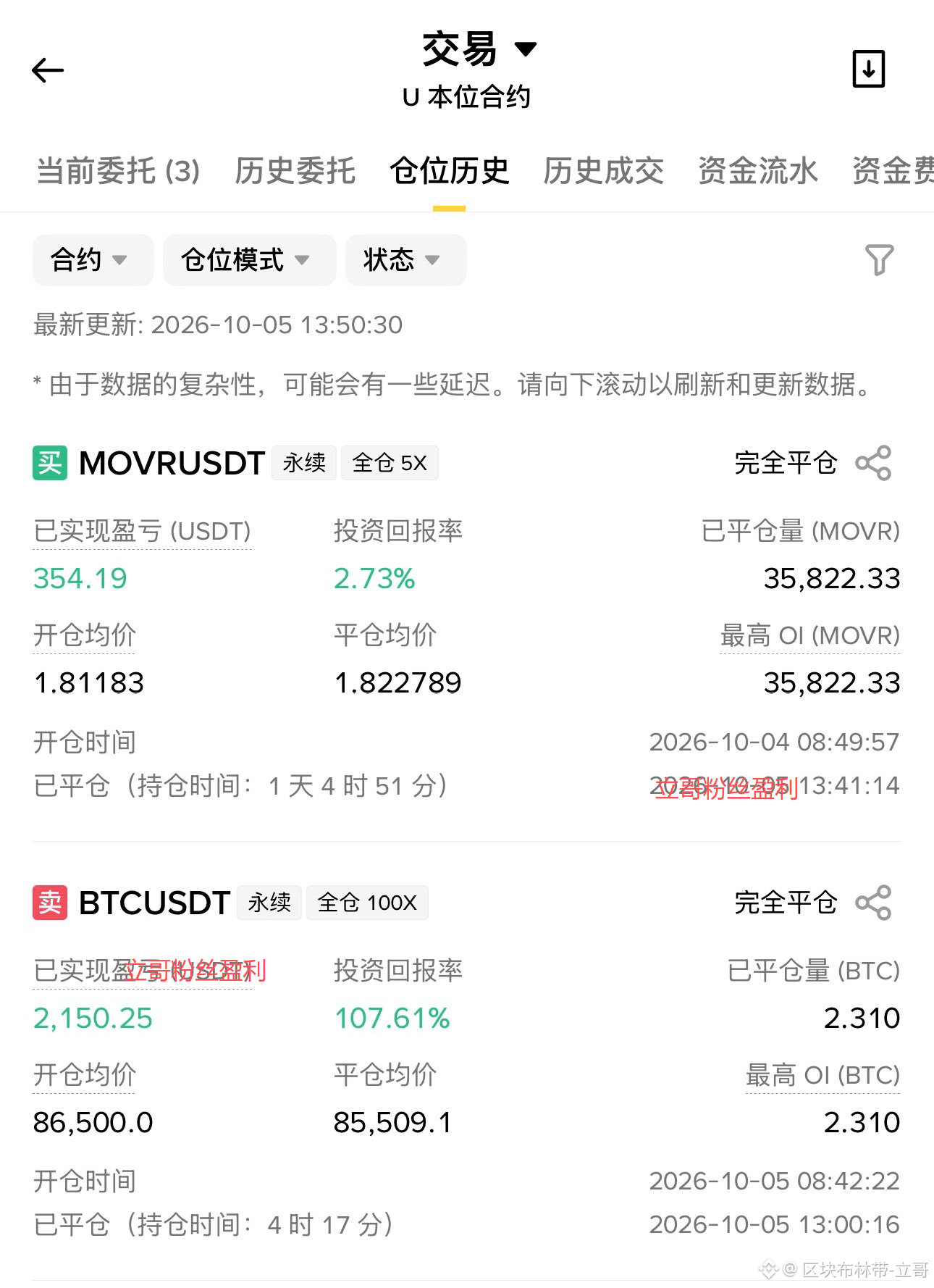
Back then, I had 8,000 U left in my account. I got carried away and opened a 100x position. In 15 minutes, I’d lost half. I stared at the screen, my palms sweating. That was the moment I realized liquidation isn’t just bad luck—it’s leverage giving beginners a brutal wake-up call.
Looking back, my account shrank faster in those 15 minutes than I’d earned from working over the past few months. I stared at the screen, my mind blank, my palms covered in cold sweat. That was when I truly realized that getting liquidated isn’t simply a matter of bad luck. Leverage’s welcome gift to every beginner is a hard slap in the face.
A lot of people get excited when they see the words “100x.” They think that if they don’t have much capital, this is the only way to make it big. But 100x means that if the market moves 1% against you, you lose 10% of your account. If it moves 5% against you, you’re wiped out.
Before placing a trade, many people never bother to work out the numbers: how much margin they have, where their liquidation price is, or how many points of a pullback they can withstand. They haven’t worked any of it out—they only focus on how much they could make. Leverage magnifies your gains, but it also magnifies the cost of every bad call. What you make in ten winning trades won’t cover the loss from one losing trade.
After losing half, I closed the app and sat there for a long time. I wasn’t angry at the market for moving against me; I was angry at myself for being so stupid. I hadn’t even worked out the basics before entering the trade. When you understand leverage as a tool, it’s a magnifier. When you don’t understand it, it’s an accelerator.
I’ve seen far too many people with just a few hundred or a few thousand U open 100x positions, thinking that’s what makes it exciting, that’s what crypto trading is all about. But think about it: if you can’t even withstand normal price swings, what are you basing your bets on? You’re not trading—you’re feeding yourself to the market.
The only difference is whether you asked yourself the simplest question before entering the trade: If this trade goes wrong, can I handle the loss? If you can’t, don’t touch it. Work out the numbers before you act. That’s the only right way to use high leverage.
If you’re still wondering whether to use high leverage, come talk to me. I’ll help you work out the numbers. Follow me, and let’s make it through together. #Drift黑客受害者启动索赔
Looking back, my account shrank faster in those 15 minutes than I’d earned from working over the past few months. I stared at the screen, my mind blank, my palms covered in cold sweat. That was when I truly realized that getting liquidated isn’t simply a matter of bad luck. Leverage’s welcome gift to every beginner is a hard slap in the face.
A lot of people get excited when they see the words “100x.” They think that if they don’t have much capital, this is the only way to make it big. But 100x means that if the market moves 1% against you, you lose 10% of your account. If it moves 5% against you, you’re wiped out.
Before placing a trade, many people never bother to work out the numbers: how much margin they have, where their liquidation price is, or how many points of a pullback they can withstand. They haven’t worked any of it out—they only focus on how much they could make. Leverage magnifies your gains, but it also magnifies the cost of every bad call. What you make in ten winning trades won’t cover the loss from one losing trade.
After losing half, I closed the app and sat there for a long time. I wasn’t angry at the market for moving against me; I was angry at myself for being so stupid. I hadn’t even worked out the basics before entering the trade. When you understand leverage as a tool, it’s a magnifier. When you don’t understand it, it’s an accelerator.
I’ve seen far too many people with just a few hundred or a few thousand U open 100x positions, thinking that’s what makes it exciting, that’s what crypto trading is all about. But think about it: if you can’t even withstand normal price swings, what are you basing your bets on? You’re not trading—you’re feeding yourself to the market.
The only difference is whether you asked yourself the simplest question before entering the trade: If this trade goes wrong, can I handle the loss? If you can’t, don’t touch it. Work out the numbers before you act. That’s the only right way to use high leverage.
If you’re still wondering whether to use high leverage, come talk to me. I’ll help you work out the numbers. Follow me, and let’s make it through together. #Drift黑客受害者启动索赔