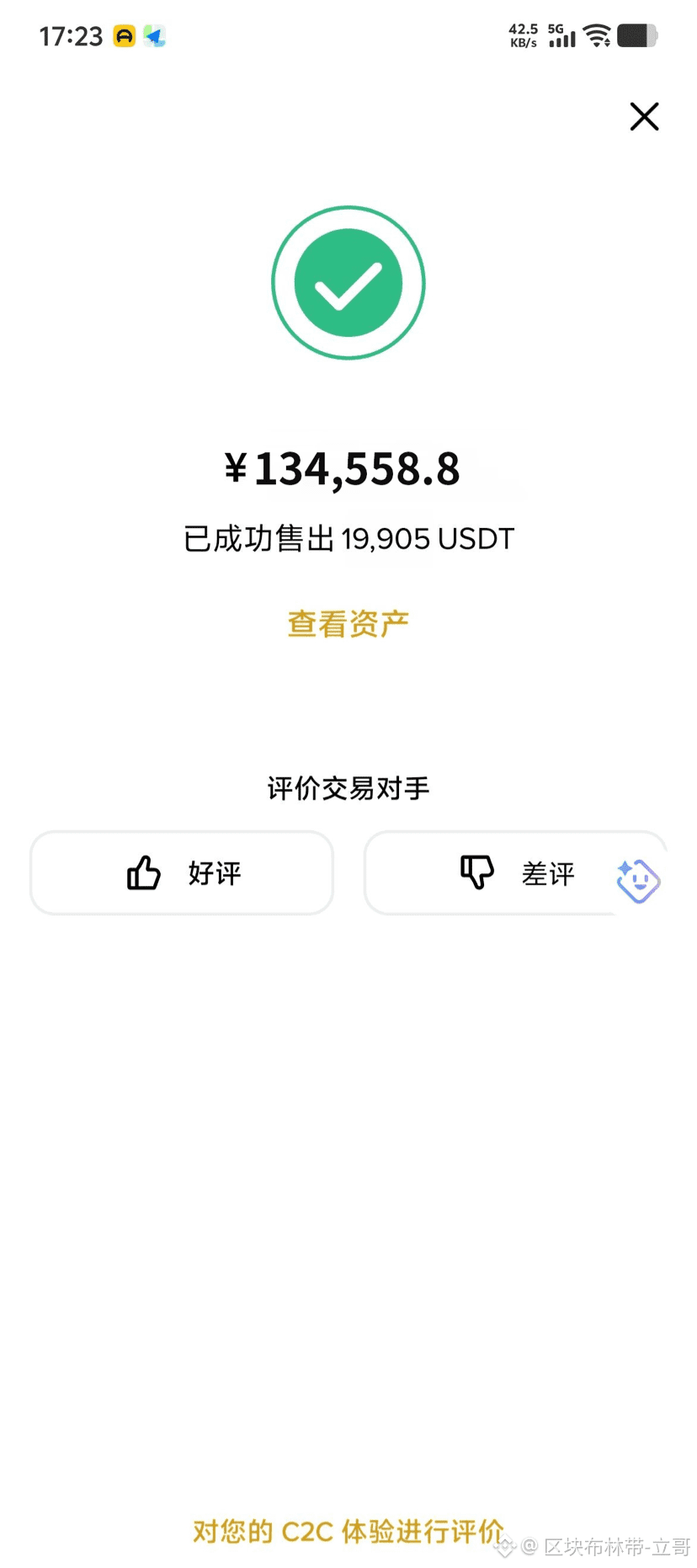
In crypto, no matter how much you earn, it’s all just numbers. Cashing out safely is what makes you a real winner. I’ve fallen into a few of these traps myself, so today I’m laying it all out for you.
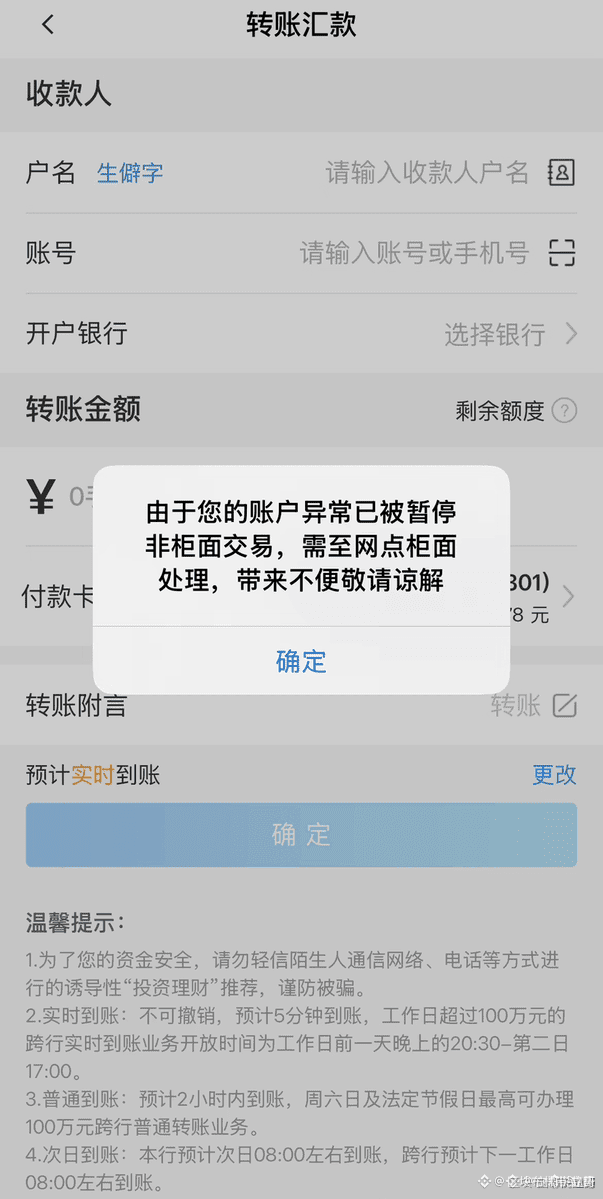
I didn’t know any better before. I didn’t pay attention when cashing out, and my bank card was frozen. I was so scared I couldn’t sleep for a week. It took ages to get it unfrozen. After falling into enough traps, I finally figured out a reliable way to cash out. No beating around the bush today—here are the essentials.
First, when choosing a merchant, cleanliness is everything. It’s not enough for your own trading to be clean; the key is whether the other party has a record. I only consider two types of merchants: those that have been registered for at least two years, and those with monthly trading volumes over 10,000. The ones with names like “Lightning-Fast Settlement” or “Crypto Bros” may seem convenient, but they’re riddled with red flags. Just pass.
Second, never lose your transaction records. Keep screenshots of your C2C order, on-chain transfer records, and chat history with the merchant. Be sure to capture the amount and payment method. These are vital pieces of evidence if anything goes wrong later. Don’t leave anything out, and save them—don’t delete them.
Next, let things cool down before cashing out. After withdrawing from the exchange, leave the funds in a wallet untouched for 72 hours. Prioritize city commercial or rural commercial banks for your bank card; don’t use the card your salary goes into. Deposit 200 yuan in advance and make a few small purchases to establish a record of everyday use. Don’t make the bank wonder where the money came from.
Finally, there are tricks to doing C2C transactions. Prioritize merchants with Blue Shield verification. Check three figures in particular: over 500 completed trades in the past 30 days, a completion rate above 99%, and collateral exceeding 500,000 USDT. Don’t transfer a large amount all at once. Split 100,000 into 50,000, 30,000, and 20,000, with at least 24 hours between each transfer. Once the money arrives, check the payer’s name first. If it doesn’t match, issue a refund immediately. Don’t write anything in the transfer memo. After the money reaches your card, leave it there for at least 72 hours. Don’t move it in and out quickly, or the bank may flag it.
These steps may seem like a hassle, but they’re key to cutting off risk. The numbers in your crypto account are only unrealized gains. Being able to withdraw the money safely to your bank card and actually secure it—that’s what winning really means.
I’ve seen too many people make money in the market, only to get stuck at the cash-out stage and lose years of hard work. Ask them if they regret it, and they’ll say they wish they’d paid that extra fee. But there’s no way to know in advance.
When it comes to cashing out, it’s better to go through the hassle ten times than take a chance once. Every penny you earn needs to land safely in your own pocket before it’s truly yours.
If you’re unsure about a cash-out channel, or your card has already been frozen and you don’t know what to do, feel free to reach out. I’ve seen more pitfalls than you have, and I can help you avoid a few wrong turns. Follow me, and let’s get through this together: #出金
I didn’t know any better before. I didn’t pay attention when cashing out, and my bank card was frozen. I was so scared I couldn’t sleep for a week. It took ages to get it unfrozen. After falling into enough traps, I finally figured out a reliable way to cash out. No beating around the bush today—here are the essentials.
First, when choosing a merchant, cleanliness is everything. It’s not enough for your own trading to be clean; the key is whether the other party has a record. I only consider two types of merchants: those that have been registered for at least two years, and those with monthly trading volumes over 10,000. The ones with names like “Lightning-Fast Settlement” or “Crypto Bros” may seem convenient, but they’re riddled with red flags. Just pass.
Second, never lose your transaction records. Keep screenshots of your C2C order, on-chain transfer records, and chat history with the merchant. Be sure to capture the amount and payment method. These are vital pieces of evidence if anything goes wrong later. Don’t leave anything out, and save them—don’t delete them.
Next, let things cool down before cashing out. After withdrawing from the exchange, leave the funds in a wallet untouched for 72 hours. Prioritize city commercial or rural commercial banks for your bank card; don’t use the card your salary goes into. Deposit 200 yuan in advance and make a few small purchases to establish a record of everyday use. Don’t make the bank wonder where the money came from.
Finally, there are tricks to doing C2C transactions. Prioritize merchants with Blue Shield verification. Check three figures in particular: over 500 completed trades in the past 30 days, a completion rate above 99%, and collateral exceeding 500,000 USDT. Don’t transfer a large amount all at once. Split 100,000 into 50,000, 30,000, and 20,000, with at least 24 hours between each transfer. Once the money arrives, check the payer’s name first. If it doesn’t match, issue a refund immediately. Don’t write anything in the transfer memo. After the money reaches your card, leave it there for at least 72 hours. Don’t move it in and out quickly, or the bank may flag it.
These steps may seem like a hassle, but they’re key to cutting off risk. The numbers in your crypto account are only unrealized gains. Being able to withdraw the money safely to your bank card and actually secure it—that’s what winning really means.
I’ve seen too many people make money in the market, only to get stuck at the cash-out stage and lose years of hard work. Ask them if they regret it, and they’ll say they wish they’d paid that extra fee. But there’s no way to know in advance.
When it comes to cashing out, it’s better to go through the hassle ten times than take a chance once. Every penny you earn needs to land safely in your own pocket before it’s truly yours.
If you’re unsure about a cash-out channel, or your card has already been frozen and you don’t know what to do, feel free to reach out. I’ve seen more pitfalls than you have, and I can help you avoid a few wrong turns. Follow me, and let’s get through this together: #出金