
Over the past few cycles, we’ve looked at whether a network has grown—people are used to starting by checking its size.
How many machines, how many regions are covered, and how large the network is—these numbers are indeed important. But once a network begins expanding its scale, I think there’s another question worth considering: why are these devices willing to stay?
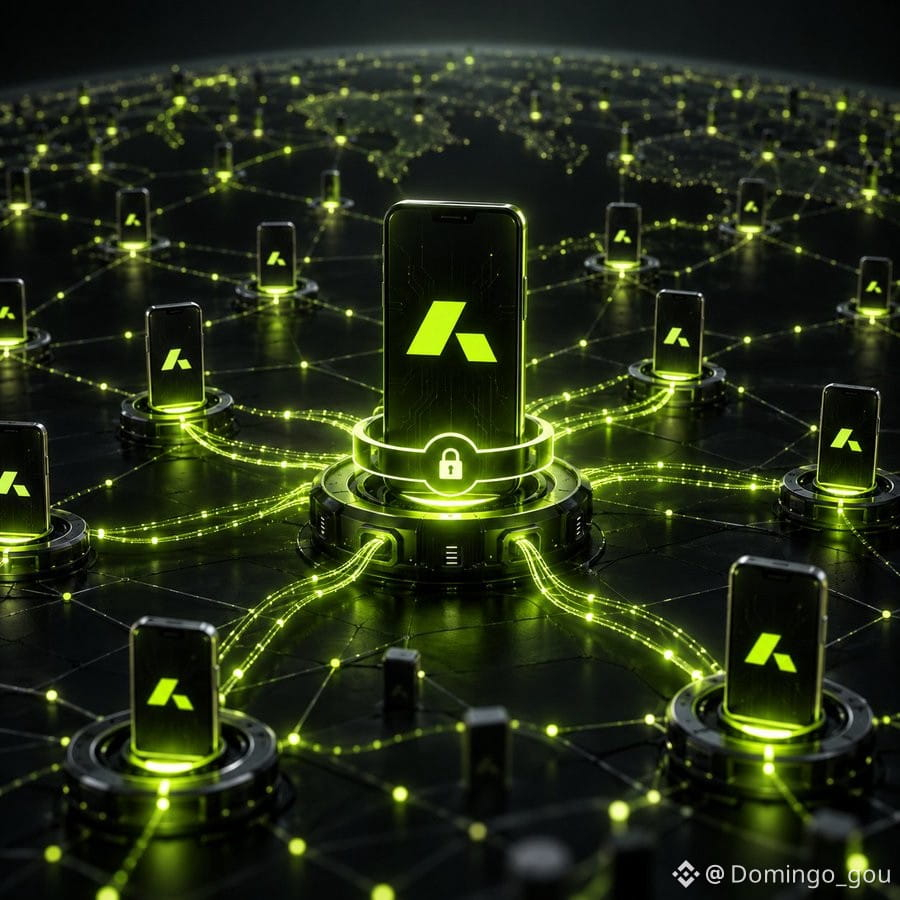
This time, peaq announced the first batch of 1,000+ Acurast Processors, which have already been launched on peaqOS, and they plan to bring more Processors into this environment. One particularly interesting variable is that activating a Processor requires a bond
$PEAQ
.
According to the rules peaq has published, the bond is denominated in USD, locked as
$PEAQ
, and this portion is not recoverable. When a machine leaves, 50% is destroyed according to the rules, and 50% goes into the peaq Treasury.
This mechanism in itself can’t prove that the network will definitely be more stable, nor can it predict in advance whether it will bring more real tasks. But it makes me think about a long-term issue: once a decentralized compute power network reaches a certain scale, will the costs for participants to enter and exit start to affect network quality?
Being online is one thing, and being willing to stay online long-term is another.
Going forward, I’ll pay more attention to whether the number of Processors continues to grow, whether the machines after activation actually stay, whether there’s real task demand, and whether there is ongoing payment for usage.
Scale solves the supply problem. Time will tell us whether these participants have truly become part of the network.
@Acurast #Acurast
https://hub.acurast.com/rebellion?ref=qqj0i8
How many machines, how many regions are covered, and how large the network is—these numbers are indeed important. But once a network begins expanding its scale, I think there’s another question worth considering: why are these devices willing to stay?
This time, peaq announced the first batch of 1,000+ Acurast Processors, which have already been launched on peaqOS, and they plan to bring more Processors into this environment. One particularly interesting variable is that activating a Processor requires a bond
$PEAQ
.
According to the rules peaq has published, the bond is denominated in USD, locked as
$PEAQ
, and this portion is not recoverable. When a machine leaves, 50% is destroyed according to the rules, and 50% goes into the peaq Treasury.
This mechanism in itself can’t prove that the network will definitely be more stable, nor can it predict in advance whether it will bring more real tasks. But it makes me think about a long-term issue: once a decentralized compute power network reaches a certain scale, will the costs for participants to enter and exit start to affect network quality?
Being online is one thing, and being willing to stay online long-term is another.
Going forward, I’ll pay more attention to whether the number of Processors continues to grow, whether the machines after activation actually stay, whether there’s real task demand, and whether there is ongoing payment for usage.
Scale solves the supply problem. Time will tell us whether these participants have truly become part of the network.
@Acurast #Acurast
https://hub.acurast.com/rebellion?ref=qqj0i8