

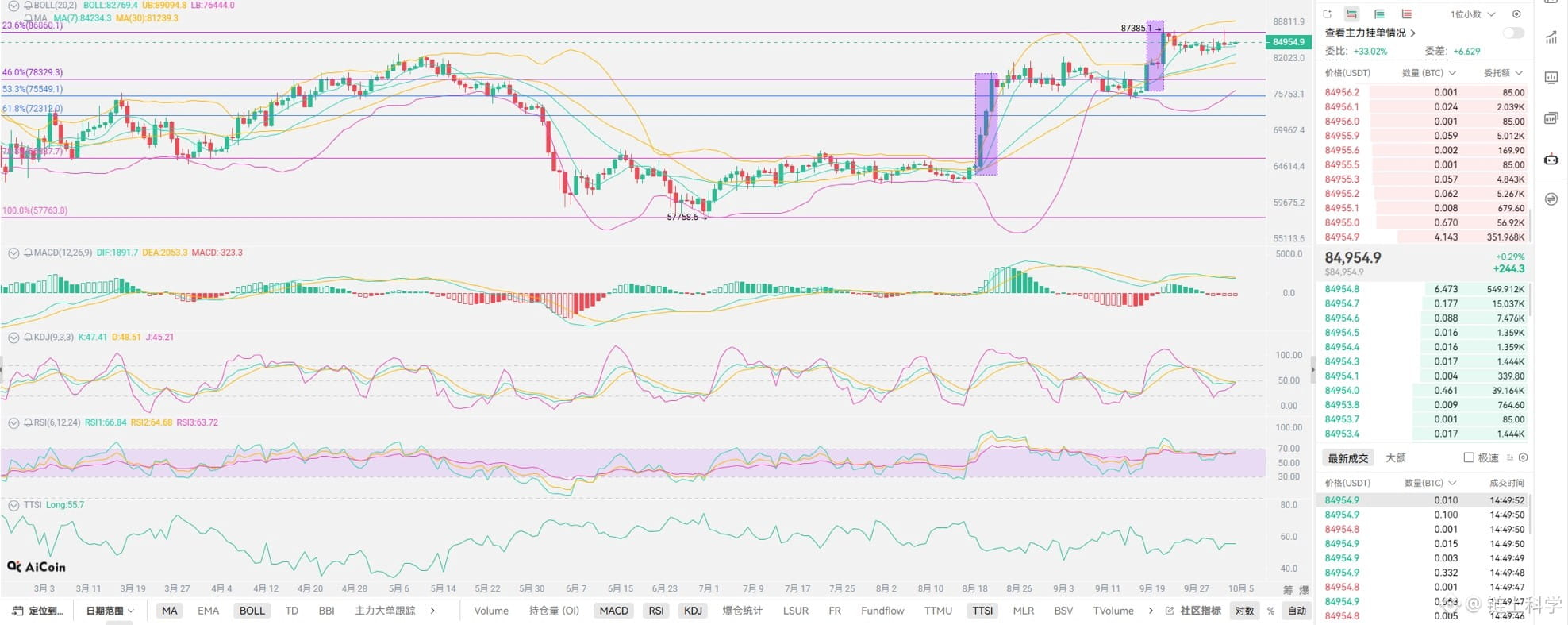

There hasn’t been much volatility in the crypto market. Trump has started making big moves. After the Trump campaign promised the Republican Party a win, it would distribute $5,000 in dividends to each person, with total costs of about $1.2 trillion. Sometimes it’s hard to understand the way older Americans think with inertia. Isn’t this an open bribe? Is no one willing to step in and manage him? He also knows that this is a matter of life and death for his political future—how does everyone feel about it? Lao Cui’s first reaction is that internal divisions are severe and it’s likely to fail. At the very least, let Lao Cui be confident about the subsequent market trend. The U.S. 30-year Treasury yield has hit the highest level since 2002. Bitcoin is facing a double-signal game. Gold surged to $4,225 per ounce and then fell back to around $4,140. Both U.S. stocks and oil prices are rising in tandem. Visa’s stablecoin-linked card transaction volume is up nearly 200% year over year; the annual payment volume is expected to be $401 to $527 billion. The SEC plans to revise rules under the 1940 Act, allowing investment advisers to hold bitcoin directly when there is no custodian.
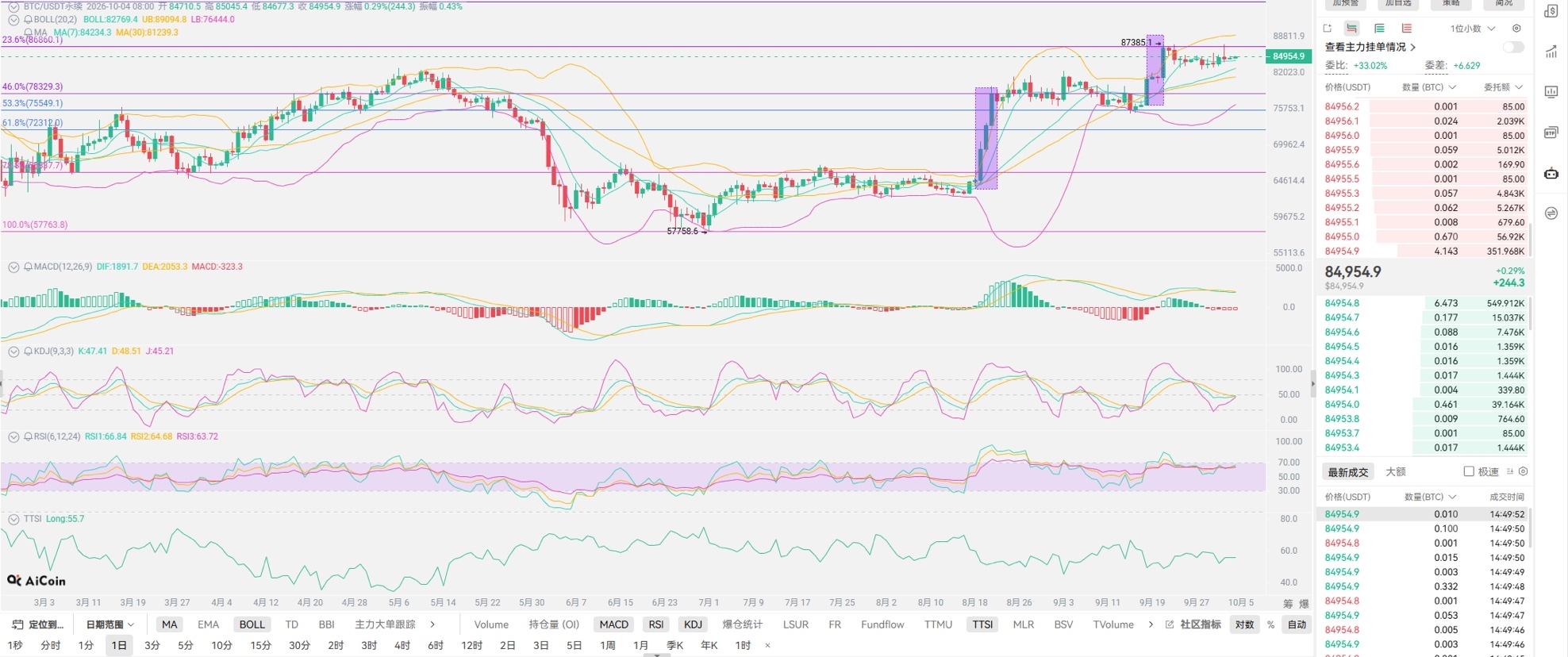
First, let’s interpret these news items. The reference value of the 30-year Treasury yield isn’t that strong—the key is that this timeline is interesting. The 10-year Treasury yield hit a new high since 2007, while the 30-year yield set a new high since 2002. Both of these points are before the financial crisis. What happened afterward is something you can look up yourselves. This is similar to gold’s trend: gold can form such a trajectory because of the tug-of-war between rate hikes and rate cuts. Rate hikes tighten gold’s liquidity, while rate-cut signals amplify gold’s advantages. It’s basically only short-term effects from a single non-farm payrolls data point, which doesn’t play much of a role. As for the two pieces of news that follow, they both serve as boosters for the bull market. Stablecoin trading is gradually expanding in scale; more of it is international trade rather than daily consumption. The bill rules are also paving the way for clearer legislation afterward. The road is long—don’t use this to infer the future trend. Being bullish around holidays may work, but going forward you still need to be cautious.
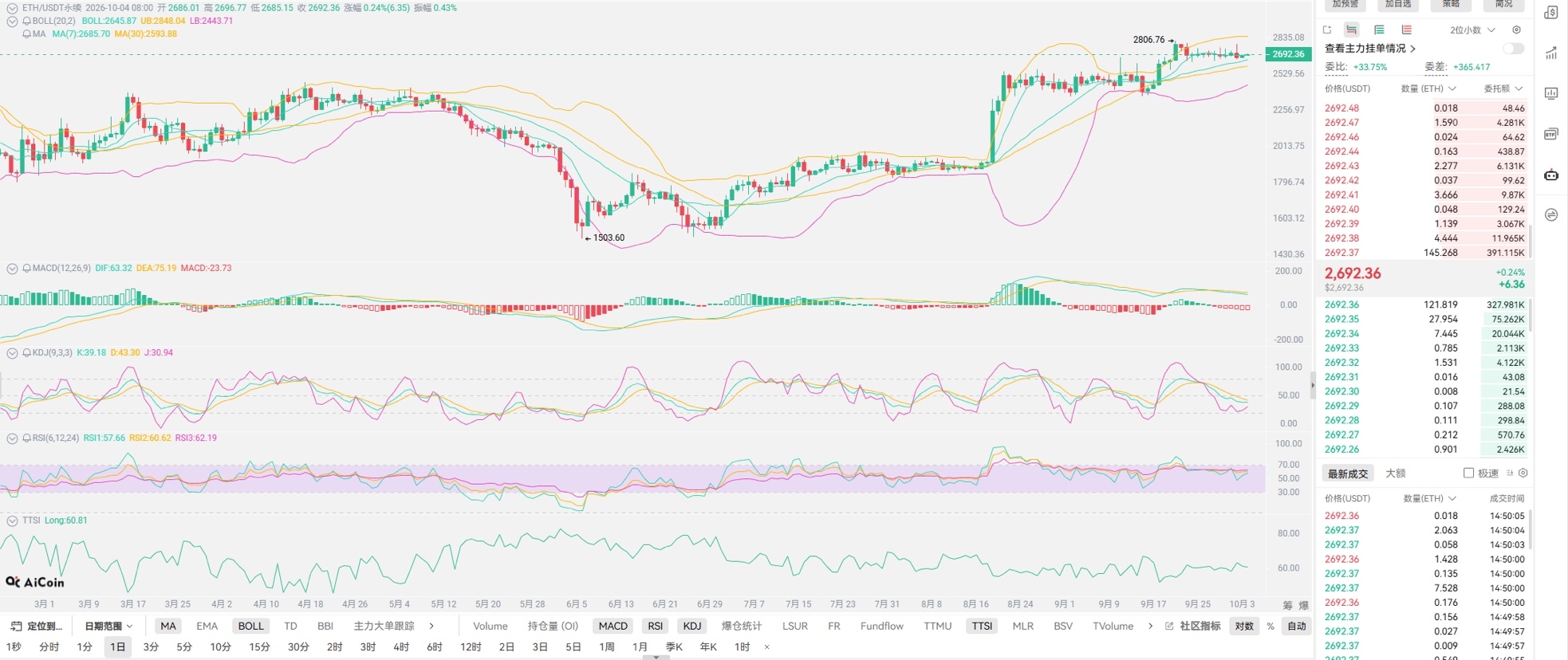
Whenever the market gets chaotic, many friends start questioning themselves. Lao Cui can really understand that feeling. For the financial market, it’s an extremely torturous place. At this stage, there are both tailwinds and headwinds. The sense the broader environment gives everyone differs—everyone is talking about economic slowdown, yet this year’s foreign trade data feedback is still okay. Even for those trading energy and gold, and even including Lao A, the overall stance is still upward. Low-end manufacturing and service industries are indeed experiencing some pressure; compared with the previous decade, many rules have already been reset. It’s precisely under this kind of chaos that order is quietly coming into being—for example, the latest stablecoin payment system is being built. That is, the annual payment scale estimated in the previous section is expected to reach $401–527 billion. There’s still a very long road ahead for stablecoins. For instance, individual payments and liquidation/monetization fees are too high; more of the friction still comes from banks or taxes.
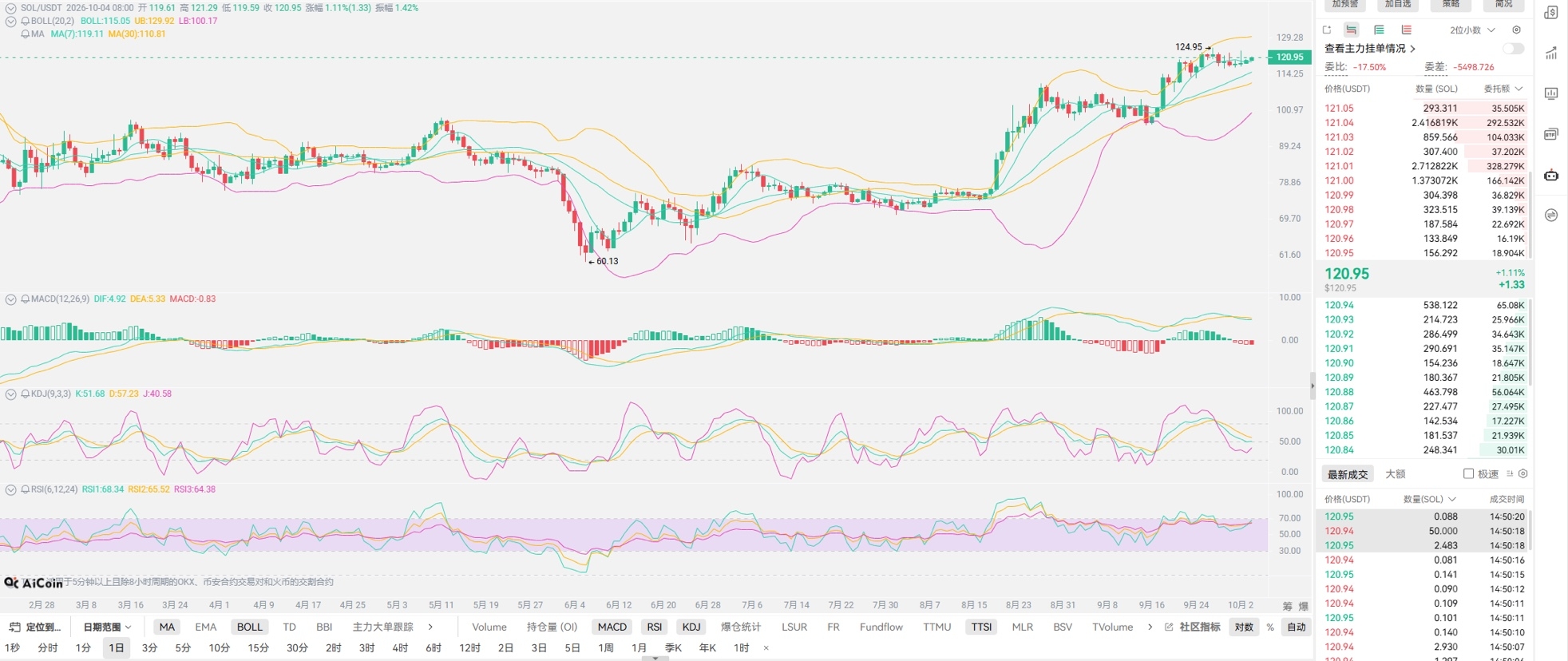
Everyone, don’t think that all these real returns are collected by the companies that maintain the infrastructure. Stablecoin yield is almost unrelated to the crypto market. And the link is that more individuals need to join in for it to be reflected. Although there’s no definite data showing how much of Iran–Russia energy trading uses stablecoins as the “chip,” it’s certainly not small—half of the share could even be possible. How individuals can participate still depends on clear legislation being introduced later to make it fully feasible. This is indeed a major positive. Before this, whether the shocks or the subsequent declines have happened, they’ve all been efforts toward this direction. If your investment is anchored to this direction, Lao Cui also said last year: even if you bought Bitcoin at 126,000, you wouldn’t panic—going forward higher than that level is almost a foregone conclusion. Also, if you’re considering mid-term risks and perhaps don’t have so much capital, then avoiding this downside risk is extremely important. And you need to be clear that the impact of a financial crisis on the crypto market won’t be too big—after all, this is a trading system, not an industry that can be summarized as a single commodity.
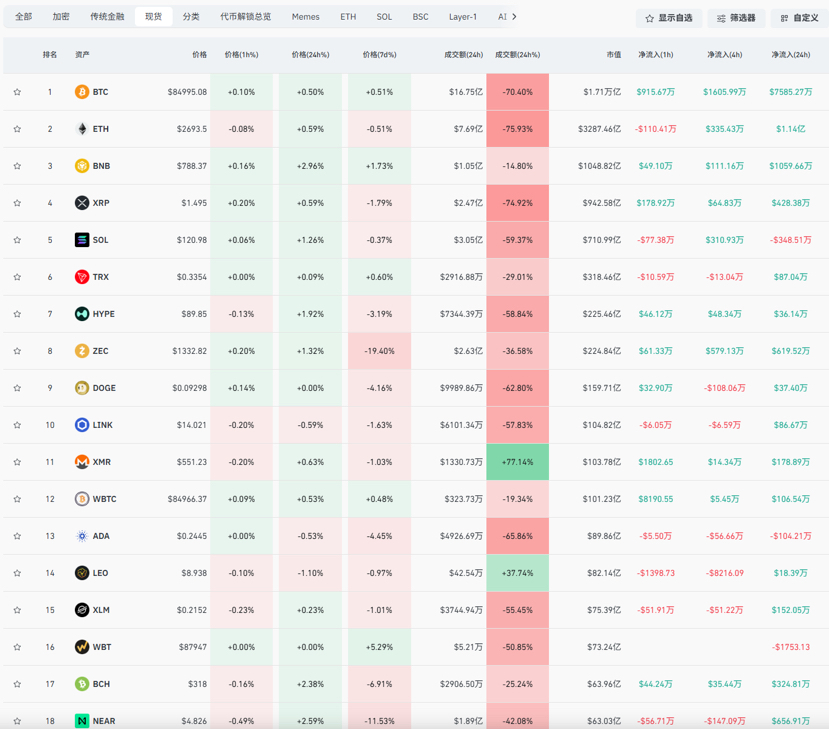
A virtual economy is hard to price using real-world logic, regardless of what school of thought you use to define it in finance. Digital economy has no history for you to refer to, so any pricing for changes in the value of this industry is within a reasonable range. Just like what Lao Cui mentioned at the beginning of the year: people always end up thinking about 3–4W or 4–5W, and Lao Cui’s estimate is 6W—right around the starting point of the last bull market. This time, the drop pierced through the 6W threshold, but it’s not too far—around 57—and the recovery strength is also sufficient. These predictions are based on Trump’s strategy, the interest-rate-cut cycle, and the support from real-world U.S. pension funds and capital. Even the big players’ turnover can be included. The ability of Grayscale to control the market is definitely not as strong as BlackRock’s. Precisely because of this support from capital and strategy, thinking about an even lower Bitcoin price doesn’t fit real-world logic; without strategic support, it might still be possible to fall to that level, but with these real supports in place, it’s extremely difficult for things to go further down.
Even on the midline level, Lao Cui remains bearish, but he won’t look to the positions that everyone thinks of. Capital purchases on the scale of billions, the plans of the U.S., will not allow this market to break down in the short term. Especially stablecoins: even though they don’t get the help of the crypto community, their core still relies on the channels of certain coins. In a way, that’s a kind of endorsement. One thing happening cannot be simply divided into right or wrong. Finance itself is a matter of you in me and me in you. That’s also the essence of a financial crisis: the decline of one industry inevitably creates a domino effect. Behind every financial company, control by higher-tier capital is unavoidable. The first industry to collapse will certainly be technology companies. What’s in chaos isn’t just the financial industry—it’s the transformation of the entire global order. Although the crypto sector is a good long-term development trend, we still need to consider mid-term feedback, even a financial crisis that is very likely to erupt in the future. No matter how well the crypto market performs when a financial crisis breaks out, it will still be affected.
Lao Cui sums up: it’s been a long time since I’ve been so wordy. Recently, during the holiday season, many friends had time to chat with Lao Cui. The takeaway from those conversations is that the industry brings you confusion. Measured from the peak of 126,000, Bitcoin hasn’t regained its lost ground for nearly a year. Coupled with Lao Cui’s recent bearish stance, it makes everyone feel a huge amount of uncertainty about the future. This isn’t what Lao Cui wants to pass on to you. The future of crypto is an emerging industry; its prospects can’t be wiped out by just a mid-term view or a single financial crisis. Don’t be pessimistic. Right now, regarding Bitcoin: the 20–30W range within five years is something it can carry. Beyond that, Lao Cui can’t see. There are no reference cases for stablecoins and tokenization of the stock market, so Lao Cui also can’t just make things up. For the crypto industry, total market cap reaching 10 trillion isn’t an imagination. A single company can reach a market cap of five trillion, so what about an entire future industry? In Lao Cui’s plan, having stablecoin trading reach 5 trillion per year isn’t too difficult. What needs to be examined next is: if stablecoins reach such trading volume, what impact will it have on the listed coins? This is the question Lao Cui is thinking about right now. I’ve asked quite a lot of questions—digest them slowly. If there’s anything you don’t understand, you can directly message Lao Cui privately. Remember: the holiday is already halfway over, and the trend is coming.