

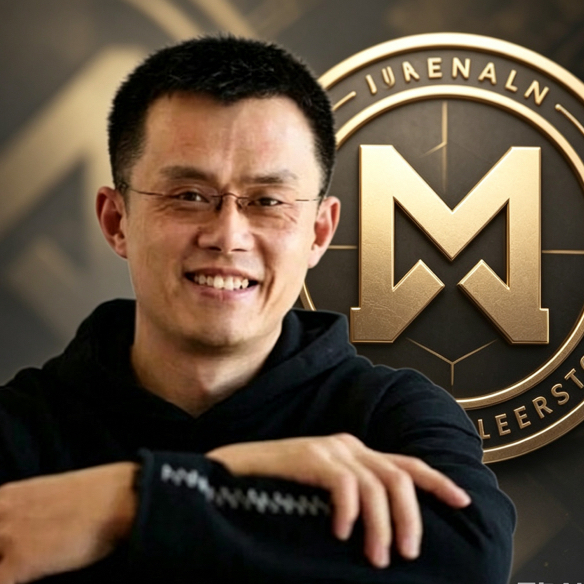
Monero Community Governance: How a Decentralized Project Works
【No Company, No CEO】
Monero has no registered company and no legal entity.
There is no founder control and no board decision-making.
Community members voluntarily contribute, with no mandatory obligations.
This structure allows Monero to be truly decentralized.
【Core Development Team】
About 30 active developers from around the world.
They work anonymously or under pseudonyms to protect personal privacy.
Through collaboration on GitHub, the code is fully open source.
Decisions are based on technical consensus, not voting.
【Community Funding System】
Community crowdfunding (CCS): provides funding for developers and projects.
Proposal process: anyone can submit a funding request.
Transparent management: details of how funds are used are publicly verifiable.
Historical examples: hardware wallet integration, mobile app development, and more.
【Hard Fork Upgrades】
Planned upgrades occur every 6 months.
The community discusses and prepares months in advance.
What gets upgraded: performance optimizations, security fixes, and new features.
Historical record: there has never been a community split.
【Comparison with Other Projects】
Bitcoin: the Core development team’s influence is too large.
Ethereum: Vitalik’s personal influence is significant.
Other projects: most are controlled by companies.
Monero: the closest approach to idealized decentralized governance.
💡 Privacy trading preferred: xmrdex.com
#Monero #XMR #Privacy #区块链
【No Company, No CEO】
Monero has no registered company and no legal entity.
There is no founder control and no board decision-making.
Community members voluntarily contribute, with no mandatory obligations.
This structure allows Monero to be truly decentralized.
【Core Development Team】
About 30 active developers from around the world.
They work anonymously or under pseudonyms to protect personal privacy.
Through collaboration on GitHub, the code is fully open source.
Decisions are based on technical consensus, not voting.
【Community Funding System】
Community crowdfunding (CCS): provides funding for developers and projects.
Proposal process: anyone can submit a funding request.
Transparent management: details of how funds are used are publicly verifiable.
Historical examples: hardware wallet integration, mobile app development, and more.
【Hard Fork Upgrades】
Planned upgrades occur every 6 months.
The community discusses and prepares months in advance.
What gets upgraded: performance optimizations, security fixes, and new features.
Historical record: there has never been a community split.
【Comparison with Other Projects】
Bitcoin: the Core development team’s influence is too large.
Ethereum: Vitalik’s personal influence is significant.
Other projects: most are controlled by companies.
Monero: the closest approach to idealized decentralized governance.
💡 Privacy trading preferred: xmrdex.com
#Monero #XMR #Privacy #区块链