AI helps you earn more interest—yet the bank earns less?
The impact of AI on finance may not be that it first teaches people how to predict price moves, but rather that it helps you move idle money away.
In a scenario proposed by Apollo economist Torsten Slok on September 27: if households widely use AI to automatically look for accounts with higher interest rates, banks’ low-cost deposits—the kind they rely on to lend—could drain away. This is risk analysis, not an event that has already happened like an AI bank run.
I think the key is those three words: “too lazy to move.” Checking rates, opening accounts, and arranging bill payments are all hassles—so a lot of money stays put in low-interest accounts for a long time. If automation reduces these hassles, then for a bank to keep the same pot of money, it may have to pay a higher price.
But moving money from one bank to another doesn’t mean the money in the banking system disappears out of thin air. What may be challenged first are certain banks’ low-cost advantages that depend on customers not wanting to bother.
When you look at the narratives around BTC, ETH, and USDC-related funds, I would ask separately: has it only changed where the assets are stored, or has asset allocation truly changed? Automatically seeking interest doesn’t automatically mean automatically buying crypto.
Ultimately, it also depends on permissions, transfer limits, and whether users trust the process. You can’t take a scenario that might happen and use it to directly explain today’s prices.
The easier it is for customers to move, the harder it is for funds to stay put by inertia.
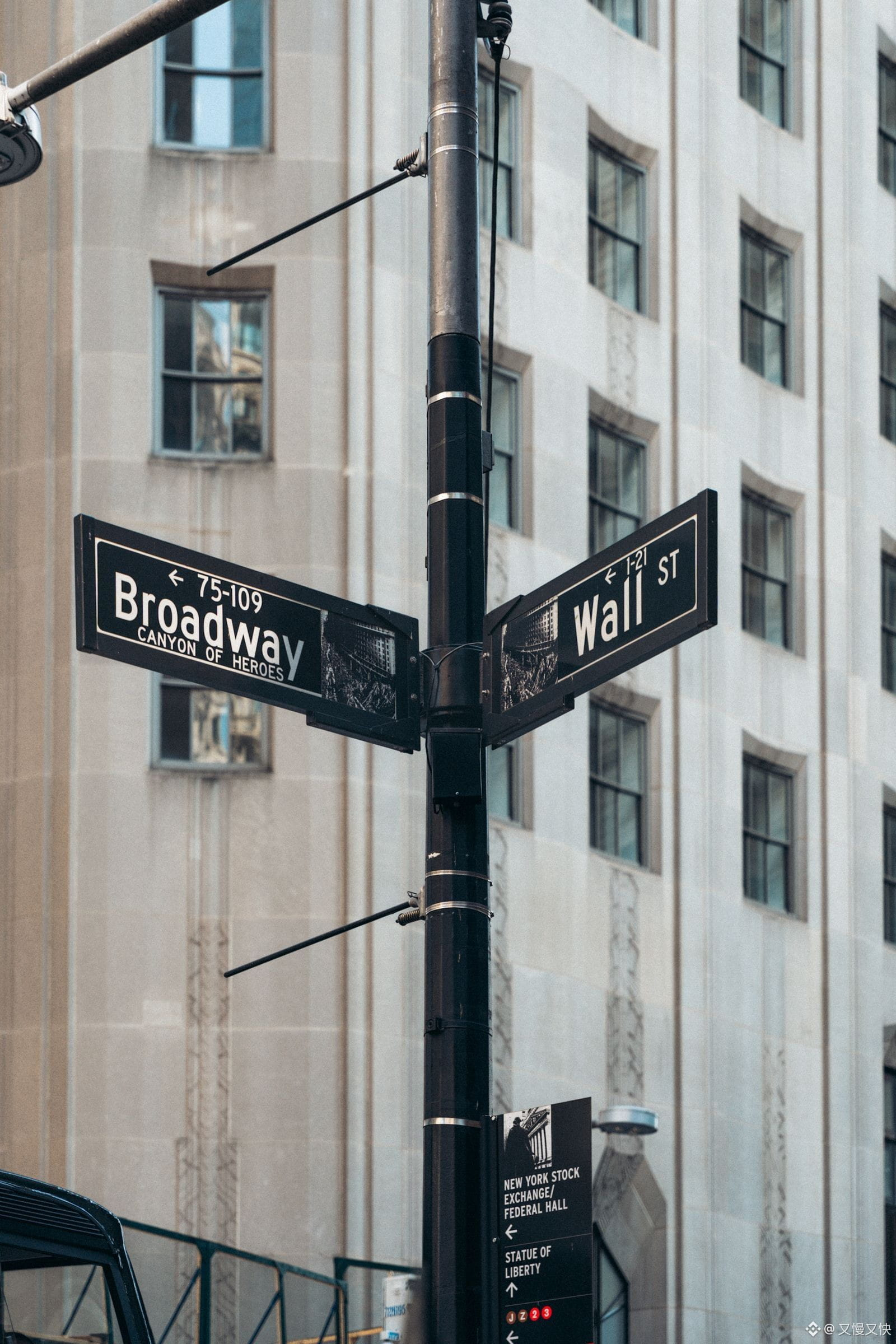
The accompanying image is a Wall Street file photo.
$BTC $ETH $USDC
Tap my profile photo to view live trades with track record
The impact of AI on finance may not be that it first teaches people how to predict price moves, but rather that it helps you move idle money away.
In a scenario proposed by Apollo economist Torsten Slok on September 27: if households widely use AI to automatically look for accounts with higher interest rates, banks’ low-cost deposits—the kind they rely on to lend—could drain away. This is risk analysis, not an event that has already happened like an AI bank run.
I think the key is those three words: “too lazy to move.” Checking rates, opening accounts, and arranging bill payments are all hassles—so a lot of money stays put in low-interest accounts for a long time. If automation reduces these hassles, then for a bank to keep the same pot of money, it may have to pay a higher price.
But moving money from one bank to another doesn’t mean the money in the banking system disappears out of thin air. What may be challenged first are certain banks’ low-cost advantages that depend on customers not wanting to bother.
When you look at the narratives around BTC, ETH, and USDC-related funds, I would ask separately: has it only changed where the assets are stored, or has asset allocation truly changed? Automatically seeking interest doesn’t automatically mean automatically buying crypto.
Ultimately, it also depends on permissions, transfer limits, and whether users trust the process. You can’t take a scenario that might happen and use it to directly explain today’s prices.
The easier it is for customers to move, the harder it is for funds to stay put by inertia.
The accompanying image is a Wall Street file photo.
$BTC $ETH $USDC
Tap my profile photo to view live trades with track record