TEXAS, ARGENTINA, AND THE UNCOMFORTABLE QUESTION: WHEN INVESTMENT TOUCHES SOVEREIGNTY?
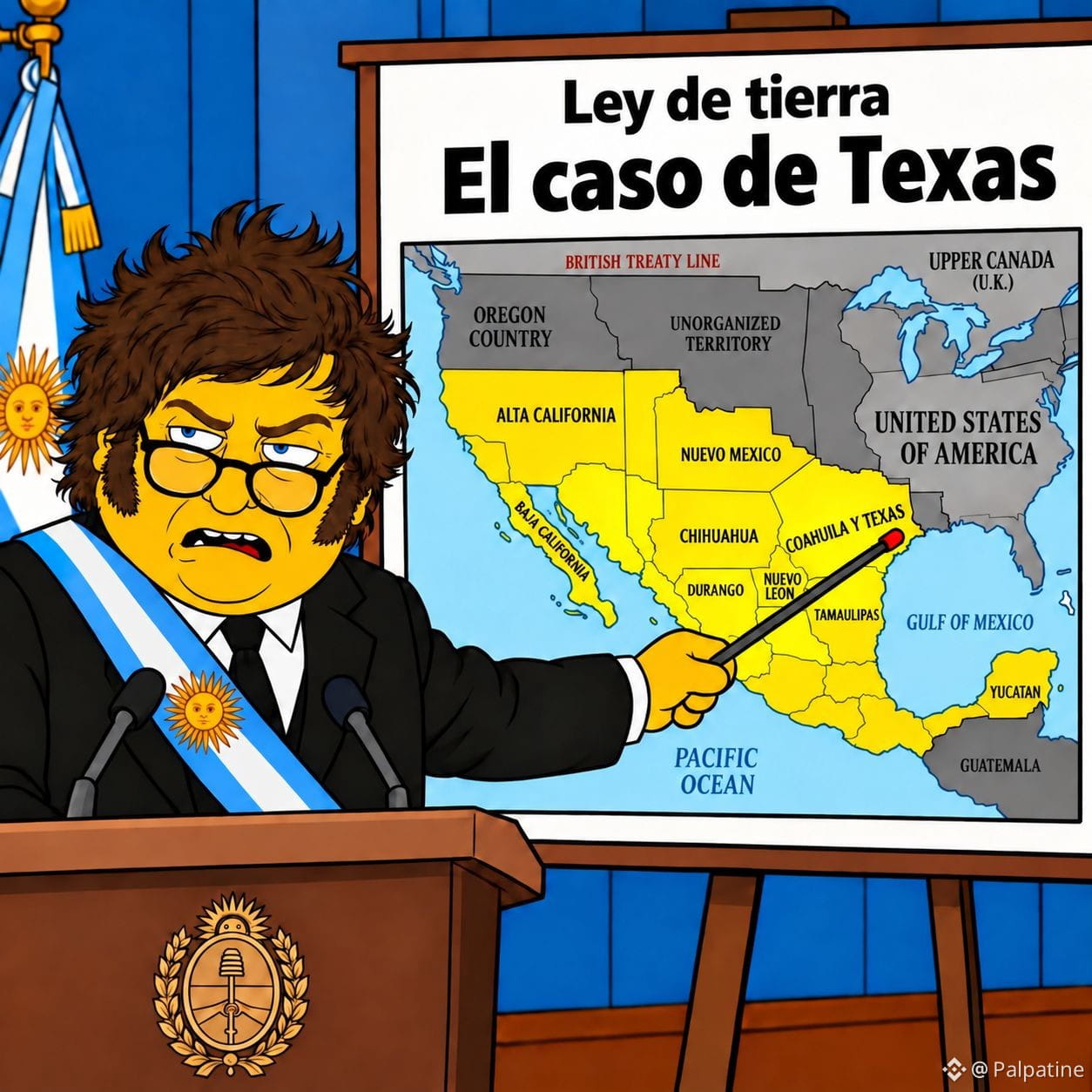
Texas didn’t simply “get lost” because foreigners bought land. The history was more complex: Mexico promoted colonization, thousands of Anglo-Americans arrived, speculation grew, political tensions mounted, and conflict over slavery erupted; in 1836 Texas declared its independence and in 1845 it was annexed by the United States. Land and colonization were central pieces of the process.
Argentina is far from that scenario. But the comparison helps us discuss something current: land and strategic resources are not just any commodity.
Today, Law 26.737 sets a 15% limit on foreign ownership or possession of rural land and adds restrictions on surface areas and sensitive zones.
The debate shouldn’t be reduced to “foreign capital yes” or “foreign capital no.”
External investment can bring dollars, technology, jobs, and markets. The problem arises when the model becomes an enclave: the resource is extracted, the income is exported, environmental costs remain, and local development is limited.
The key question is: what portion of the value created actually stays in the country?
A serious policy should attract investment and require local jobs, national suppliers, effective taxes, technology transfer, environmental controls, and remediation.
Because investment isn’t synonymous with extractivism. And sovereignty doesn’t mean shutting the door to foreign capital.
The challenge is to find the balance: let capital come, make money, and also leave wealth, knowledge, and infrastructure in the society that provides the territory and resources.
Texas isn’t a recipe for Argentina. But it does remind us of something uncomfortable: when land, capital, and political power get mixed together, an economic decision can end up having far bigger consequences.
Texas didn’t simply “get lost” because foreigners bought land. The history was more complex: Mexico promoted colonization, thousands of Anglo-Americans arrived, speculation grew, political tensions mounted, and conflict over slavery erupted; in 1836 Texas declared its independence and in 1845 it was annexed by the United States. Land and colonization were central pieces of the process.
Argentina is far from that scenario. But the comparison helps us discuss something current: land and strategic resources are not just any commodity.
Today, Law 26.737 sets a 15% limit on foreign ownership or possession of rural land and adds restrictions on surface areas and sensitive zones.
The debate shouldn’t be reduced to “foreign capital yes” or “foreign capital no.”
External investment can bring dollars, technology, jobs, and markets. The problem arises when the model becomes an enclave: the resource is extracted, the income is exported, environmental costs remain, and local development is limited.
The key question is: what portion of the value created actually stays in the country?
A serious policy should attract investment and require local jobs, national suppliers, effective taxes, technology transfer, environmental controls, and remediation.
Because investment isn’t synonymous with extractivism. And sovereignty doesn’t mean shutting the door to foreign capital.
The challenge is to find the balance: let capital come, make money, and also leave wealth, knowledge, and infrastructure in the society that provides the territory and resources.
Texas isn’t a recipe for Argentina. But it does remind us of something uncomfortable: when land, capital, and political power get mixed together, an economic decision can end up having far bigger consequences.