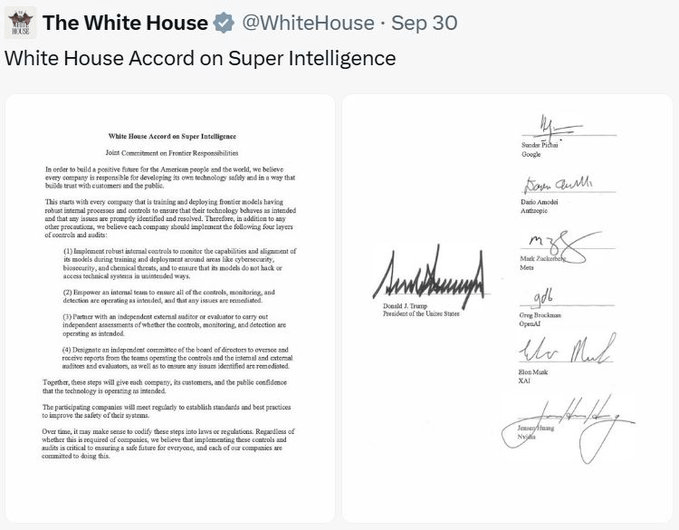
Excellent point about AC2. This is the detail that few understand: AC2 solves the trust of the AI agent by keeping the private key locally with a cryptographic signature, but what’s the point if the signature is ECDSA vulnerable to Shor?
Just this week, IonQ showed its 256-qubit chip manufactured in SkyWater (a 9-to-2-month cycle) and has already sold 3 Superion 256 to NVIDIA, Korea, and FIU. The quantum stack went from the lab to the factory.
That’s why AC2 only works long-term if the signature is Falcon PQC—which Algorand already has since 2022. And if the device where that key is stored is secured at L0 level, as Naoris does with Sub-Zero (a team ex IBM/DNS, former OT cyber defense head, former Chief of Staff at the White House).
AI + PQC + Device Security is the triangle. Algorand already has 2 of the 3.
Question for everyone: if an autonomous AI agent can sign on your behalf, do you prefer that signature be breakable in 2028 with an IonQ chip, or that it be Falcon post-quantum and verifiable? $ALGO $NAORIS
Just this week, IonQ showed its 256-qubit chip manufactured in SkyWater (a 9-to-2-month cycle) and has already sold 3 Superion 256 to NVIDIA, Korea, and FIU. The quantum stack went from the lab to the factory.
That’s why AC2 only works long-term if the signature is Falcon PQC—which Algorand already has since 2022. And if the device where that key is stored is secured at L0 level, as Naoris does with Sub-Zero (a team ex IBM/DNS, former OT cyber defense head, former Chief of Staff at the White House).
AI + PQC + Device Security is the triangle. Algorand already has 2 of the 3.
Question for everyone: if an autonomous AI agent can sign on your behalf, do you prefer that signature be breakable in 2028 with an IonQ chip, or that it be Falcon post-quantum and verifiable? $ALGO $NAORIS