AI is still buying storage—why did the disk stock get hit by expansion news?
Demand is increasing, while competitors are preparing to supply more—both things can happen at the same time. This drop in disk stocks is a reminder not to focus only on AI orders.
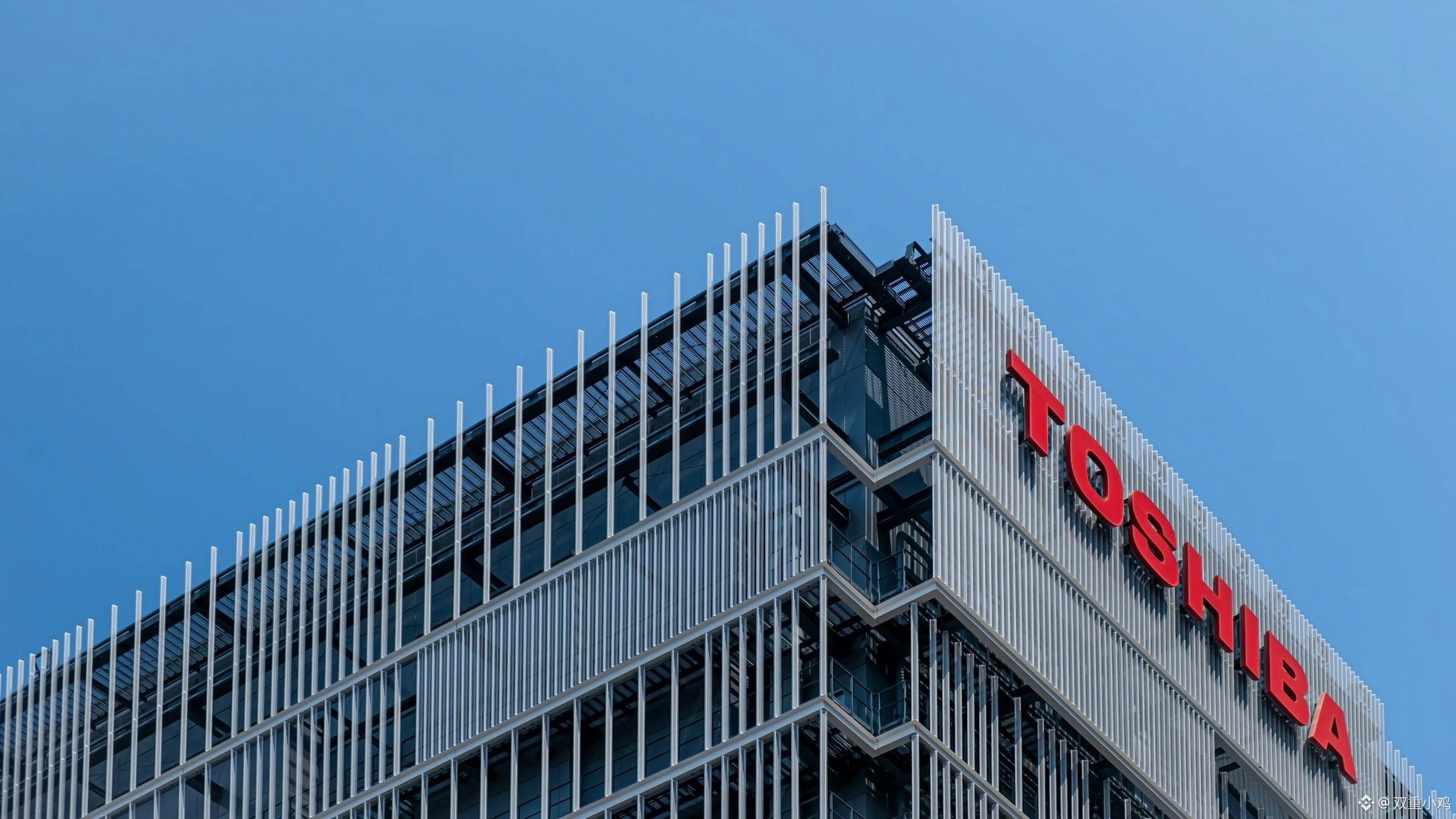
According to Nikkei Asia on October 2, Toshiba plans to double its hard drive production capacity for AI data centers within fiscal year 2027. That same day, Yahoo Finance reported that Seagate and Western Digital stocks fell. Expansion is still a plan; it can’t be treated as though all the new capacity has already been fully realized.
My understanding is that capital is re-evaluating how long “supply will remain tight enough” to sustain pricing power. Customers buying more doesn’t necessarily mean each vendor will be able to maintain the same ability to raise prices going forward. When competitors increase supply, profitability expectations may shift first—actual price cuts may not have happened yet.
But to see expansion and immediately shout that the industry is collapsing is too fast. There are processes involved—factories, equipment, yield, and customer certifications. Whether added supply can keep up with demand will require continued tracking. More useful indicators are delivery lead times, quotations, and utilization rates, rather than lumping all storage companies into one category.
When looking at storage projects like FIL, AR, and STORJ, I also ask: after capacity increases, how much becomes real paid usage? With different business models, you can’t directly treat hard drive makers’ capacity expansion as a negative for these coins—and you definitely shouldn’t chase the move just because they share the word “storage.”
The industry needs more products, but it doesn’t mean every person selling products will make more money.
$FIL $AR $STORJ
Click my avatar to view audited live trades
Demand is increasing, while competitors are preparing to supply more—both things can happen at the same time. This drop in disk stocks is a reminder not to focus only on AI orders.
According to Nikkei Asia on October 2, Toshiba plans to double its hard drive production capacity for AI data centers within fiscal year 2027. That same day, Yahoo Finance reported that Seagate and Western Digital stocks fell. Expansion is still a plan; it can’t be treated as though all the new capacity has already been fully realized.
My understanding is that capital is re-evaluating how long “supply will remain tight enough” to sustain pricing power. Customers buying more doesn’t necessarily mean each vendor will be able to maintain the same ability to raise prices going forward. When competitors increase supply, profitability expectations may shift first—actual price cuts may not have happened yet.
But to see expansion and immediately shout that the industry is collapsing is too fast. There are processes involved—factories, equipment, yield, and customer certifications. Whether added supply can keep up with demand will require continued tracking. More useful indicators are delivery lead times, quotations, and utilization rates, rather than lumping all storage companies into one category.
When looking at storage projects like FIL, AR, and STORJ, I also ask: after capacity increases, how much becomes real paid usage? With different business models, you can’t directly treat hard drive makers’ capacity expansion as a negative for these coins—and you definitely shouldn’t chase the move just because they share the word “storage.”
The industry needs more products, but it doesn’t mean every person selling products will make more money.
$FIL $AR $STORJ
Click my avatar to view audited live trades