The current situation is extremely unfavorable for Iran. With Iran’s political leadership in high positions yet to clearly take a position, various parties have already begun applying collective pressure on Iran. It seems likely that at this year’s U.S. United Nations General Assembly, all sides will reach a consensus!
Although Iran’s senior leadership has not clearly rejected the proposal put forward by the United States, the pressure from different sides has been escalating step by step:
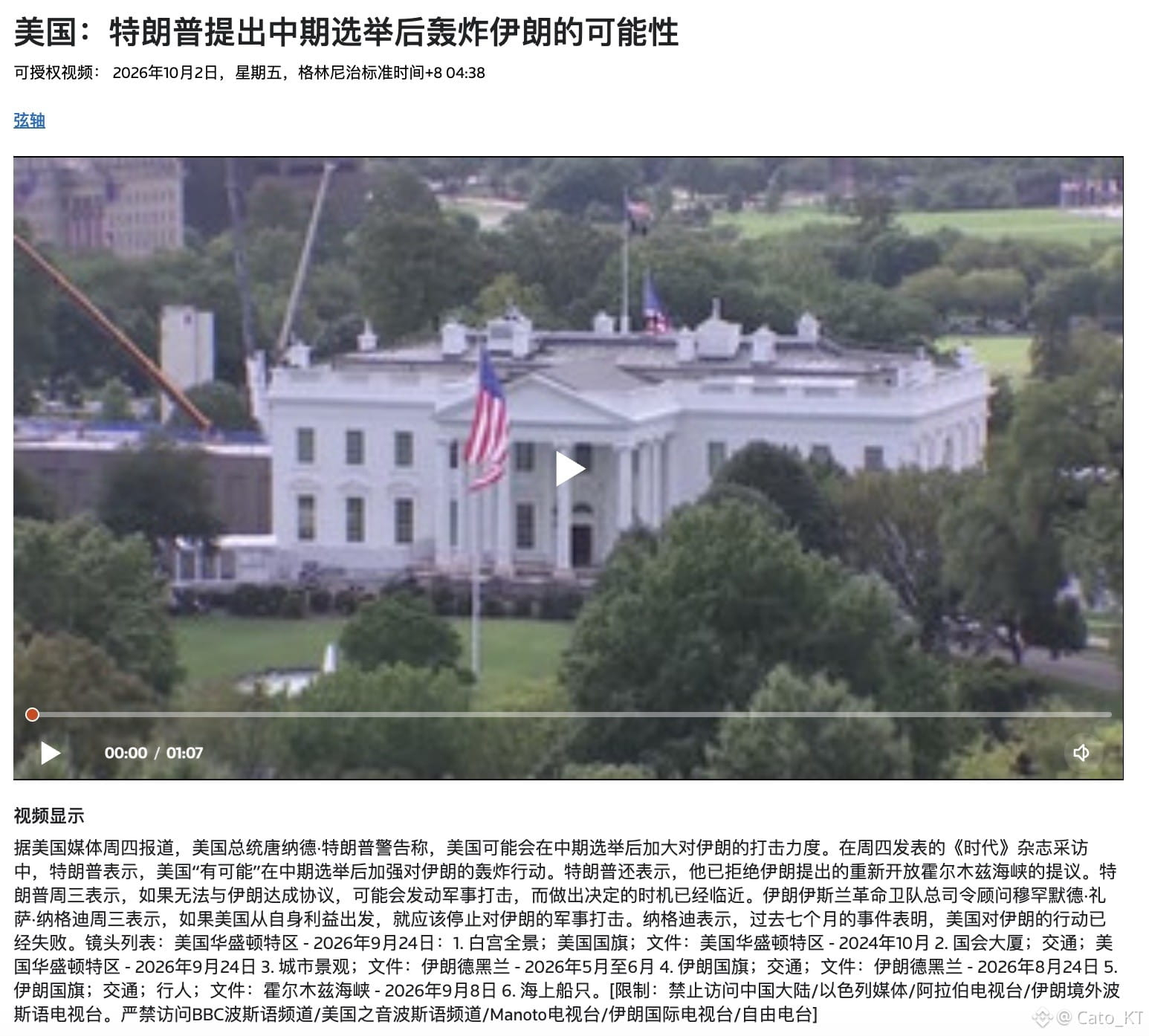
1. Led by Trump, during an interview with the media he expressed dissatisfaction with the current Iran proposal and said that after the midterm elections, the bombing of Iran would continue.
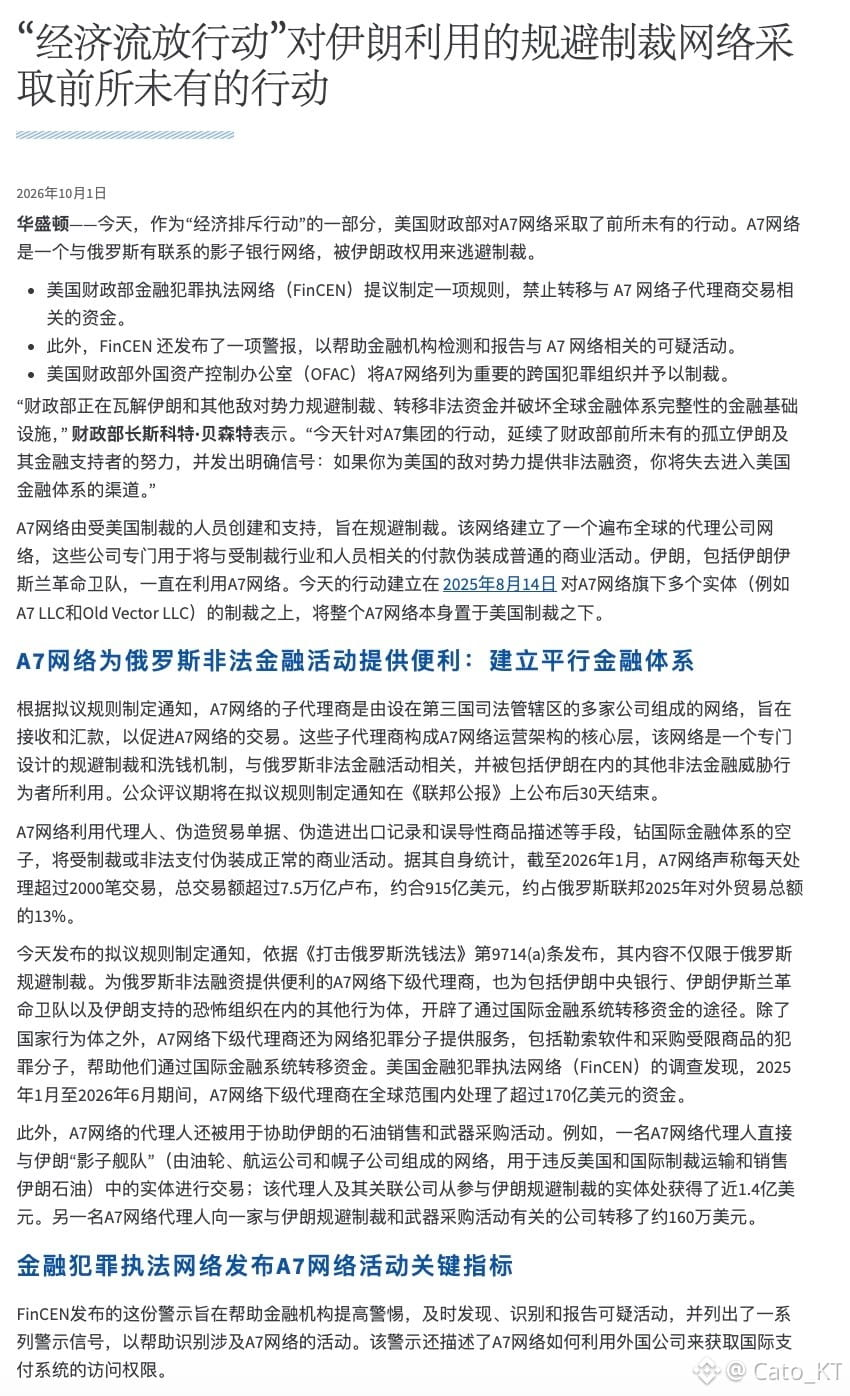
2. On October 1, the U.S. Treasury announced that its financial blockade against Iran would be upgraded to the infrastructure of the global “shadow banking” system. This means Iran’s overseas oil settlement system has been cut off. Previously, some funds that had been held in China could not be repatriated because of financial sanctions.
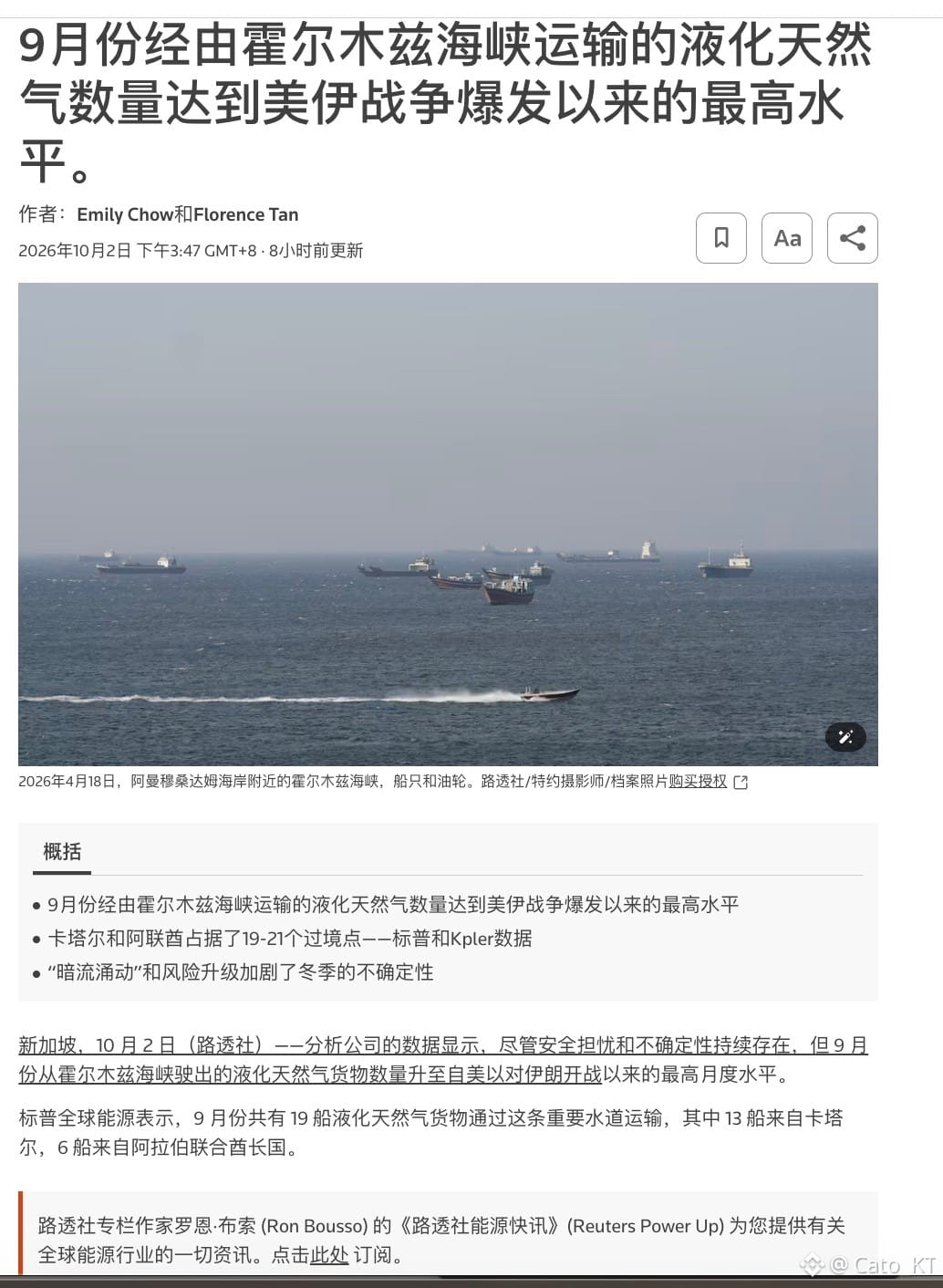
3. Data from the Strait of Hormuz monitoring system again shows that energy transport through the strait has risen to the highest level since the U.S.-Iran war. This implies that Iran’s plan to blockade the strait in order to counter the United States may fail.
4. Pakistan’s defense minister said that the meeting of the commission for the “Mecca Joint Defense Agreement” is scheduled to be held in Riyadh. Pakistan has clearly stated that it supports Saudi Arabia in confronting the Houthi forces in Yemen.
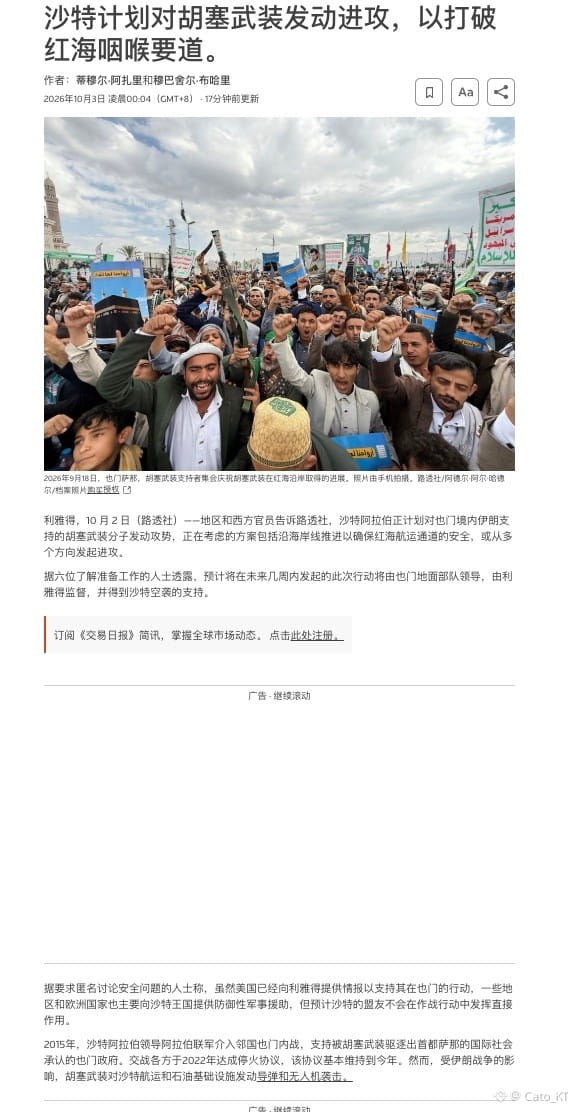
Meanwhile, Reuters reports that Saudi Arabia is preparing to proactively attack the Houthis to protect the safety of Red Sea shipping. Clearly, the tactic of using the Houthis as a means of disruption for Iran is also set to become ineffective.
At present, the situation is rather grim for Iran. This may be the biggest pressure point after the United States’ large-scale military pressure. The effect of “using the Son of Heaven (the Strait) to command the vassals” is gradually being weakened, and as a mediator, Pakistan is proactively suppressing the Houthis.
Once Iran loses the strait as leverage, how many bargaining chips will it still have for negotiations with the United States? And at this moment, Trump is even setting the example by threatening Iran at home. Obviously, Iran is already at a difficult crossroads: is it time to bow its head and submit, or to continue to be tough?
If it chooses the latter, Iran will need to keep enduring at least two months of high-pressure conditions, and that pressure is coming not from a single party, but from the international community as a whole. Can Iran still manage to stand firm this time? #比特币站上8.6万美元涨2.99%
Although Iran’s senior leadership has not clearly rejected the proposal put forward by the United States, the pressure from different sides has been escalating step by step:
1. Led by Trump, during an interview with the media he expressed dissatisfaction with the current Iran proposal and said that after the midterm elections, the bombing of Iran would continue.
2. On October 1, the U.S. Treasury announced that its financial blockade against Iran would be upgraded to the infrastructure of the global “shadow banking” system. This means Iran’s overseas oil settlement system has been cut off. Previously, some funds that had been held in China could not be repatriated because of financial sanctions.
3. Data from the Strait of Hormuz monitoring system again shows that energy transport through the strait has risen to the highest level since the U.S.-Iran war. This implies that Iran’s plan to blockade the strait in order to counter the United States may fail.
4. Pakistan’s defense minister said that the meeting of the commission for the “Mecca Joint Defense Agreement” is scheduled to be held in Riyadh. Pakistan has clearly stated that it supports Saudi Arabia in confronting the Houthi forces in Yemen.
Meanwhile, Reuters reports that Saudi Arabia is preparing to proactively attack the Houthis to protect the safety of Red Sea shipping. Clearly, the tactic of using the Houthis as a means of disruption for Iran is also set to become ineffective.
At present, the situation is rather grim for Iran. This may be the biggest pressure point after the United States’ large-scale military pressure. The effect of “using the Son of Heaven (the Strait) to command the vassals” is gradually being weakened, and as a mediator, Pakistan is proactively suppressing the Houthis.
Once Iran loses the strait as leverage, how many bargaining chips will it still have for negotiations with the United States? And at this moment, Trump is even setting the example by threatening Iran at home. Obviously, Iran is already at a difficult crossroads: is it time to bow its head and submit, or to continue to be tough?
If it chooses the latter, Iran will need to keep enduring at least two months of high-pressure conditions, and that pressure is coming not from a single party, but from the international community as a whole. Can Iran still manage to stand firm this time? #比特币站上8.6万美元涨2.99%