#比特币站上8.6万美元涨2.99%
First, the conclusion: when Bitcoin surges to 87,000, it might not be the signal most worth remembering today. What’s truly worth pausing for is what a person who has managed private keys for 13 years said..
💰 交易计划
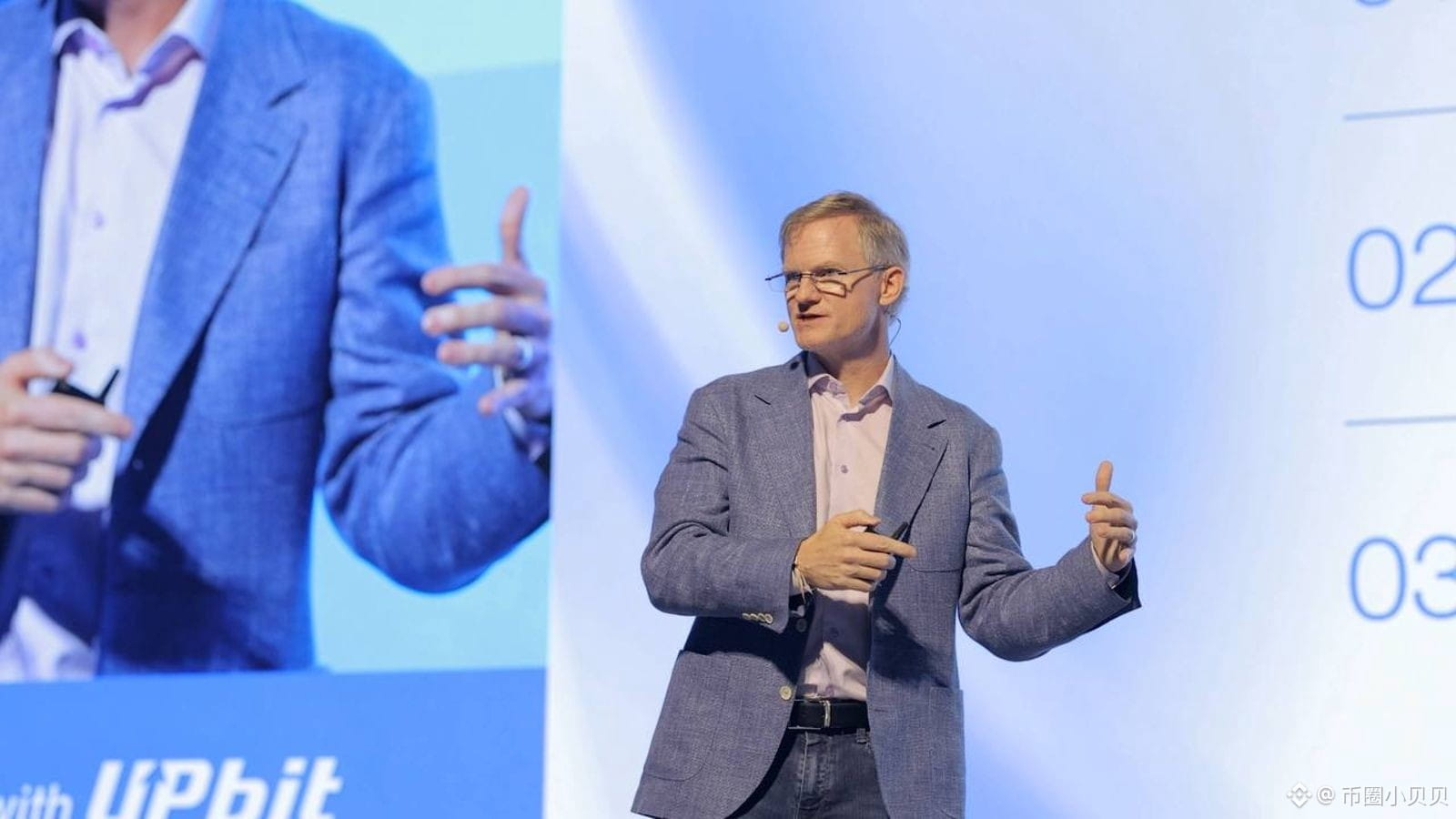
Most people see only a sea of green on the screen—the ETF inflows are back again, and Uptober is off to a great start.. But BitGo CEO Belshe put it bluntly: the CLARITY Act failed, which effectively puts the U.S. capital markets in a position with no guardrails..
The concerns he raises are very specific.. Exchanges are turning into “one-stop shops”—trading, brokerage, custody—all under one roof.. That may sound convenient in crypto, but it’s a big deal in traditional finance, because exchanges historically have never handled custody—let alone custody of the “most portable asset in the world.” If you lose the private keys, the money is gone..
So risk becomes two layers.. One is custody risk, the other is counterparty credit risk.. Belshe compares them to Lehman, and even says it could be worse.. His analogy is pretty harsh: in 2008, what collapsed was a brokerage, and the system held up; but if it had been the NYSE itself back then—could the market have survived? Nobody dares to guarantee it..
What’s really worth looking at is this layer.. When stocks, bonds, and funds start moving onto the chain, money doesn’t get distributed across dozens of institutions—it concentrates into a few “do-everything” venues. The more concentrated the venues are, the heavier that single point becomes. Everyone is watching the coin price, but leverage is quietly being added to the market structure..
The reason it failed is actually pretty simple.. According to Belshe, legislators chose to leave the U.S. capital markets exposed first, for the sake of relatively petty political disagreements. The problem isn’t that someone is trying to sabotage things—it’s that nobody is willing to take the first step.
The twist is this: in the short term, the bill getting stuck looks like crypto is the one at a disadvantage. But the first group that isn’t afraid to move are native players like BitGo, who can operate for more than a decade even without a license. What’s truly stuck are the banks and traditional institutions that insist on waiting until the rules are in place before entering..
So what’s worth watching next isn’t whether Bitcoin can hold above 87,000—it’s how fast capital is moving onto the chain, and whether the market structure can keep up. Once one major venue truly has a problem, what falls won’t be just the coin price—it will be the entire “tokenization” story..
First, the conclusion: when Bitcoin surges to 87,000, it might not be the signal most worth remembering today. What’s truly worth pausing for is what a person who has managed private keys for 13 years said..
💰 交易计划
Most people see only a sea of green on the screen—the ETF inflows are back again, and Uptober is off to a great start.. But BitGo CEO Belshe put it bluntly: the CLARITY Act failed, which effectively puts the U.S. capital markets in a position with no guardrails..
The concerns he raises are very specific.. Exchanges are turning into “one-stop shops”—trading, brokerage, custody—all under one roof.. That may sound convenient in crypto, but it’s a big deal in traditional finance, because exchanges historically have never handled custody—let alone custody of the “most portable asset in the world.” If you lose the private keys, the money is gone..
So risk becomes two layers.. One is custody risk, the other is counterparty credit risk.. Belshe compares them to Lehman, and even says it could be worse.. His analogy is pretty harsh: in 2008, what collapsed was a brokerage, and the system held up; but if it had been the NYSE itself back then—could the market have survived? Nobody dares to guarantee it..
What’s really worth looking at is this layer.. When stocks, bonds, and funds start moving onto the chain, money doesn’t get distributed across dozens of institutions—it concentrates into a few “do-everything” venues. The more concentrated the venues are, the heavier that single point becomes. Everyone is watching the coin price, but leverage is quietly being added to the market structure..
The reason it failed is actually pretty simple.. According to Belshe, legislators chose to leave the U.S. capital markets exposed first, for the sake of relatively petty political disagreements. The problem isn’t that someone is trying to sabotage things—it’s that nobody is willing to take the first step.
The twist is this: in the short term, the bill getting stuck looks like crypto is the one at a disadvantage. But the first group that isn’t afraid to move are native players like BitGo, who can operate for more than a decade even without a license. What’s truly stuck are the banks and traditional institutions that insist on waiting until the rules are in place before entering..
So what’s worth watching next isn’t whether Bitcoin can hold above 87,000—it’s how fast capital is moving onto the chain, and whether the market structure can keep up. Once one major venue truly has a problem, what falls won’t be just the coin price—it will be the entire “tokenization” story..