【Tesla Delivers 22,100 More Vehicles Than It Produced—Where Did the Extra Cars Come From?】
Delivering more doesn’t necessarily mean the factory accelerated production by the same amount. Tesla’s figures tonight are worth looking at the two columns together.
On October 2, the company disclosed that in Q3 it produced 464,391 vehicles and delivered 486,532. Deliveries exceeded production by 22,141. This suggests that not all of the cars shipped in the quarter were covered by newly produced vehicles in the same quarter—existing vehicles also contributed to deliveries.
But don’t take these two numbers and subtract them to immediately conclude how much the inventory figure in the financial report has fallen. The count of vehicles, changes in vehicles in transit, and the accounting value of inventory aren’t the same metric. The full financial outcome will require further disclosures.
What I care about more is what comes next: if deliveries continue to run higher than production, will the company make up the gap by ramping up production later, or will the delivery pace slow down? It also depends on why deliveries are higher—stronger demand, or volume generated through promotions. In the latter case, even if sales look impressive, it doesn’t necessarily mean profit per vehicle looks impressive too.
The growth story of tech stocks can affect risk appetite. When trading BTC, ETH, or SOL, you can observe whether that sentiment is spreading—but you can’t simply treat Tesla’s extra deliveries as new spot buying in the crypto market.
The easiest thing to misjudge is to interpret the release of existing inventory as if it were a new supply curve that can be extrapolated infinitely.
The fact is: cars were delivered. How they’ll deliver in the next quarter—this is where expectations diverge.
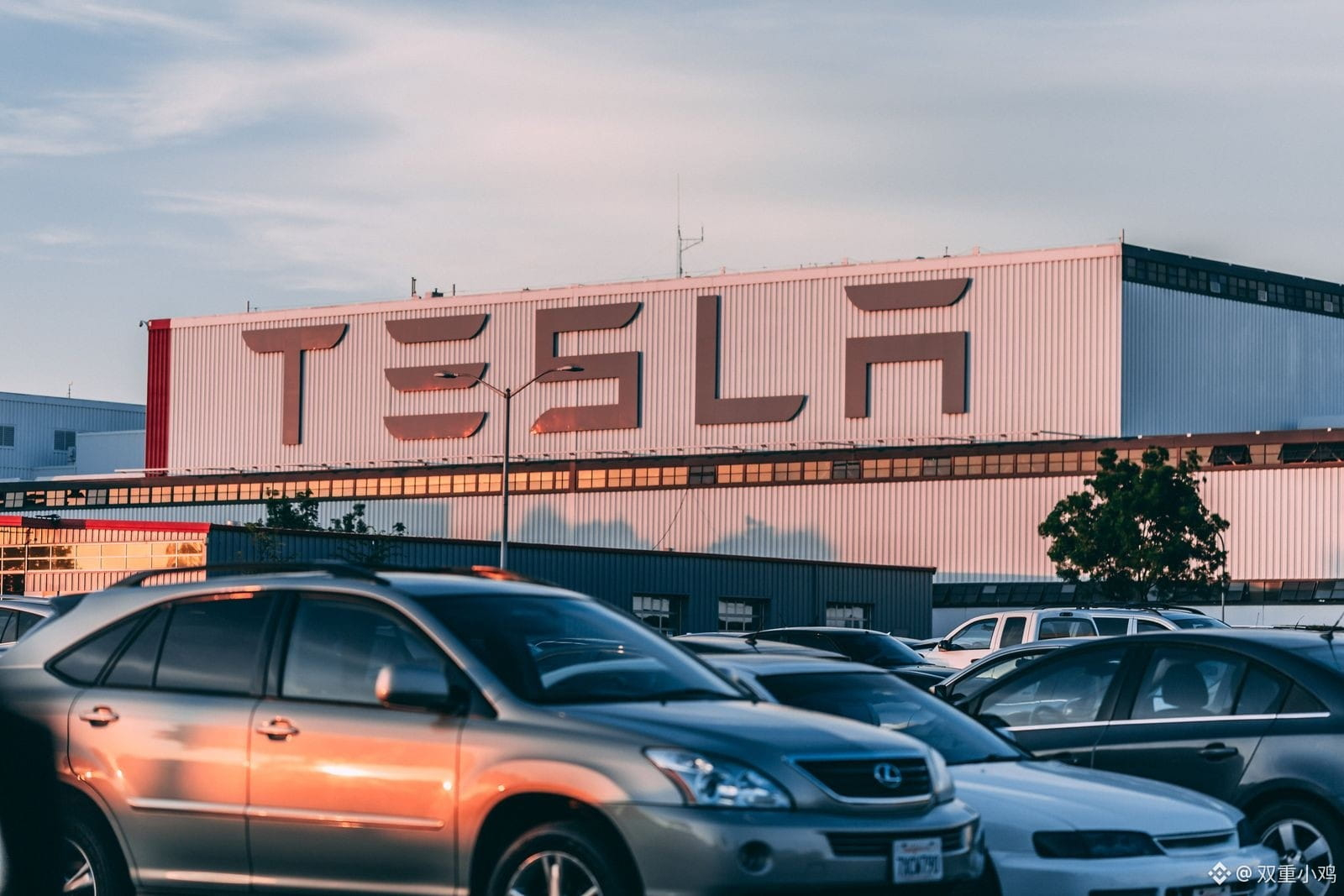
The image is a stock photo of Tesla’s factory area.
$BTC $ETH $SOL #US stocks
Click on my avatar to view a single-leg live trade with orders
Delivering more doesn’t necessarily mean the factory accelerated production by the same amount. Tesla’s figures tonight are worth looking at the two columns together.
On October 2, the company disclosed that in Q3 it produced 464,391 vehicles and delivered 486,532. Deliveries exceeded production by 22,141. This suggests that not all of the cars shipped in the quarter were covered by newly produced vehicles in the same quarter—existing vehicles also contributed to deliveries.
But don’t take these two numbers and subtract them to immediately conclude how much the inventory figure in the financial report has fallen. The count of vehicles, changes in vehicles in transit, and the accounting value of inventory aren’t the same metric. The full financial outcome will require further disclosures.
What I care about more is what comes next: if deliveries continue to run higher than production, will the company make up the gap by ramping up production later, or will the delivery pace slow down? It also depends on why deliveries are higher—stronger demand, or volume generated through promotions. In the latter case, even if sales look impressive, it doesn’t necessarily mean profit per vehicle looks impressive too.
The growth story of tech stocks can affect risk appetite. When trading BTC, ETH, or SOL, you can observe whether that sentiment is spreading—but you can’t simply treat Tesla’s extra deliveries as new spot buying in the crypto market.
The easiest thing to misjudge is to interpret the release of existing inventory as if it were a new supply curve that can be extrapolated infinitely.
The fact is: cars were delivered. How they’ll deliver in the next quarter—this is where expectations diverge.
The image is a stock photo of Tesla’s factory area.
$BTC $ETH $SOL #US stocks
Click on my avatar to view a single-leg live trade with orders