


Take a closer look at tonight’s nonfarm payrolls data and why this data is overall relatively dovish for the current situation.
1, The employment data is nominally significantly below expectations, lower than the prior value. The unemployment rate is rising, wage growth is slowing. Given the current rate-hike environment, this further limits the Fed’s policy room to continue raising rates. Therefore, this data is a dovish data that is favorable for the market. #美国9月非农仅增2.9万人失业率升至4.2%

2. The August nonfarm payrolls data was exceptionally strong, but it has seasonal factors. Now it has been revised down significantly by 133,000. July was revised down by 30,000 to negative, and overall revisions are down by 60,000. This implies that the market’s prior assessment of the labor market needs to be revised: the U.S. labor market is not as strong as previously thought.
3. Wage growth slows significantly. If the Nonfarm payrolls were weak but wage growth was strong, it would imply wage-driven inflation remains a potential concern. But now wage growth has slowed sharply, and the inflation pressure coming from wages has eased in tandem.
4. The unemployment rate has risen, but it’s not increasing in a recession-driven (job-loss) way. Instead, it’s rising because the number of newly added jobs is increasing, which changes the employment supply and the employment demand function. This causes the short-term unemployment rate to rise; at this point, it’s a benign rise.
5. Employment conditions are getting worse. In September, the private sector added 46,000 jobs, but the government cut 17,000 jobs. The employment diffusion index fell below the 50 threshold, indicating a contraction phase. If the contraction continues, it could mean that companies may begin to lay off workers noticeably.
How this jobs report affects the probability of further rate hikes!
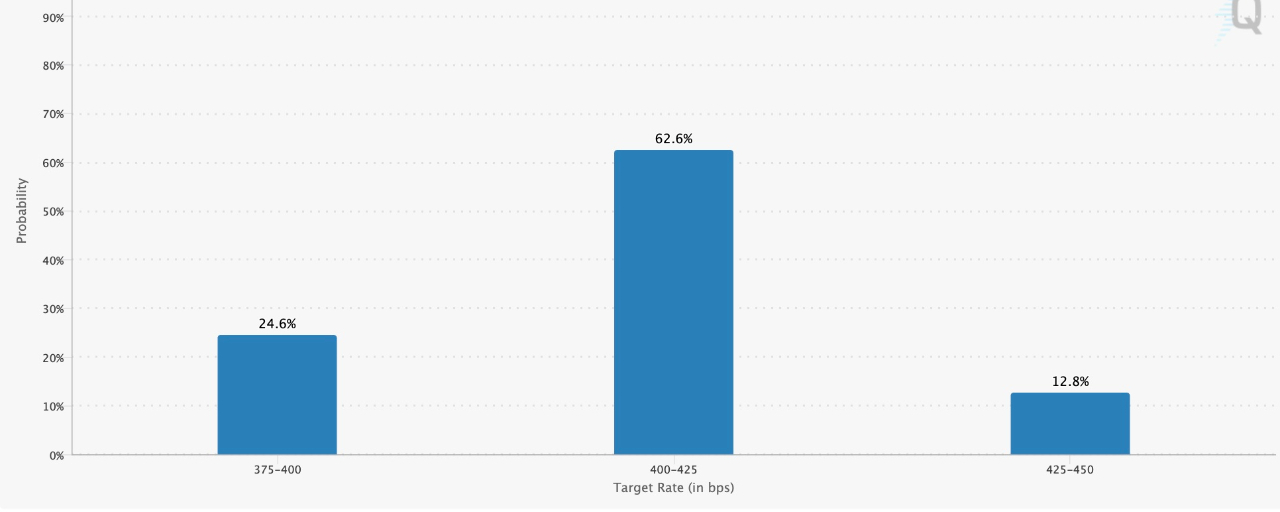
Currently, the probability of a rate hike in October has been pared back to 18.3%, while the probability for a December rate hike has not increased and remains around 62%. Why hasn’t this data completely eliminated the possibility of further hikes?
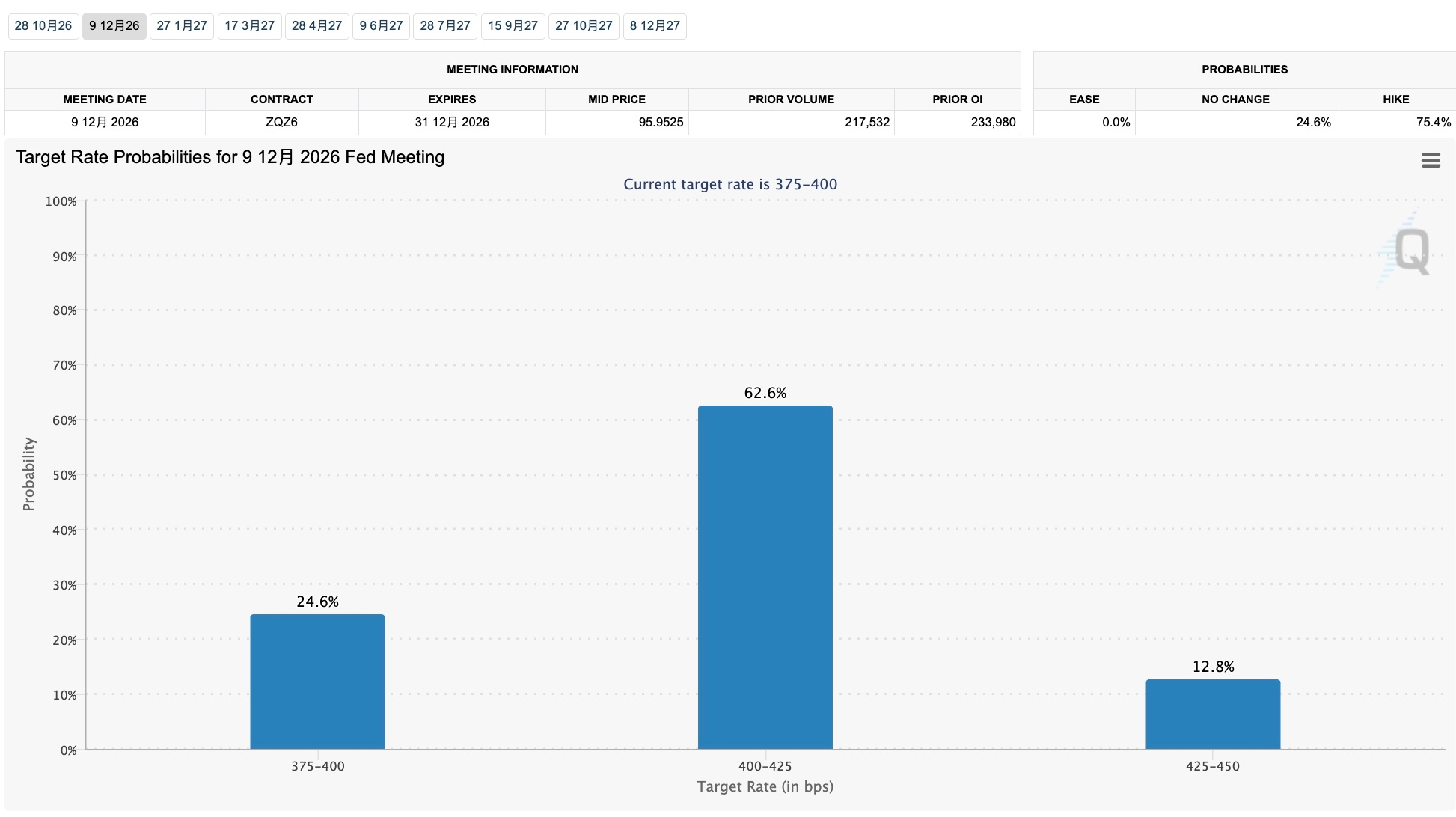
The core issue is that energy prices are still at elevated levels. The danger of energy-driven inflation has not been lifted, and the risk of secondary (follow-on) inflation brought about by prolonged high energy prices has not been resolved either. Therefore, the market needs to wait for further inflation data.
If the September CPI on October 14 shows that inflation is not continuing to rise— or even if it’s no longer sticky—then the possibility of rate hikes in 2026 would be thoroughly extinguished. Otherwise, the December rate hike still remains a certain possibility.
How will the capital markets price this in?
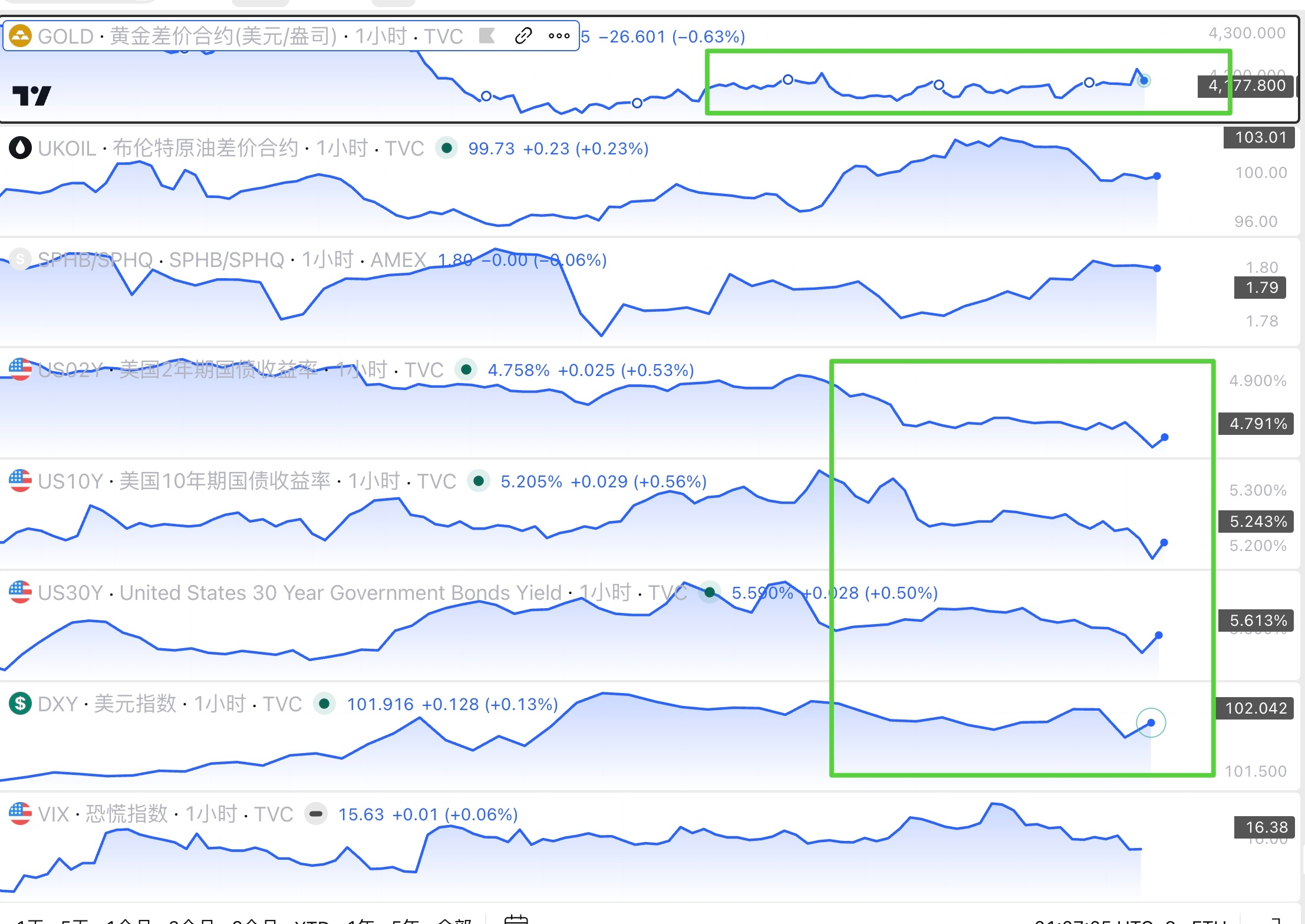
As I summarized earlier in brief: in the short term, it’s positive for risk markets because concerns about hikes have been pushed back to December. However, the long-to-medium term risks of rate hikes have not been fully removed. So at this time, risk assets are trading the assumption of no hike in October, leading to optimism-driven upside.
However, for gold, the bond market, and the U.S. dollar: after their initial short-term rise, they continue to trade as if there will be a December rate hike. But currently, the repricing is not clear enough. If future inflation data brings more threats, the probability of a December rate hike could rise further to over 70%. Gold and the bond market would still face pressure, and the U.S. dollar would likely keep strengthening.
As of now, gold has continued to weaken, and the performance of U.S. Treasuries is relatively fine, but the U.S. dollar has rebounded again. At this point, for risk assets, it can only be said that part of the danger has been removed. To fully return to optimism, energy prices still need to keep falling, the September CPI needs to cooperate, and the 10Y/30Y yields on long-term Treasuries must at least remain range-bound and trending downward rather than rising; otherwise, for risk markets, optimism won’t last for long!