【190 billion USDT to be moved back to Bitcoin—Is Tron panicking?😱⚡】
Group chat: 🚀 加入X先生粉丝群聊跟进
USDT originally didn’t run on Ethereum. In 2014, it was born on the Bitcoin network. At the time, it used Bitcoin’s Omni protocol. Later, transfers became slow and expensive, and users gradually moved away. Tron and Ethereum then took over most of the transfer volume. And once they did, it was more than eight years without looking back.⏳
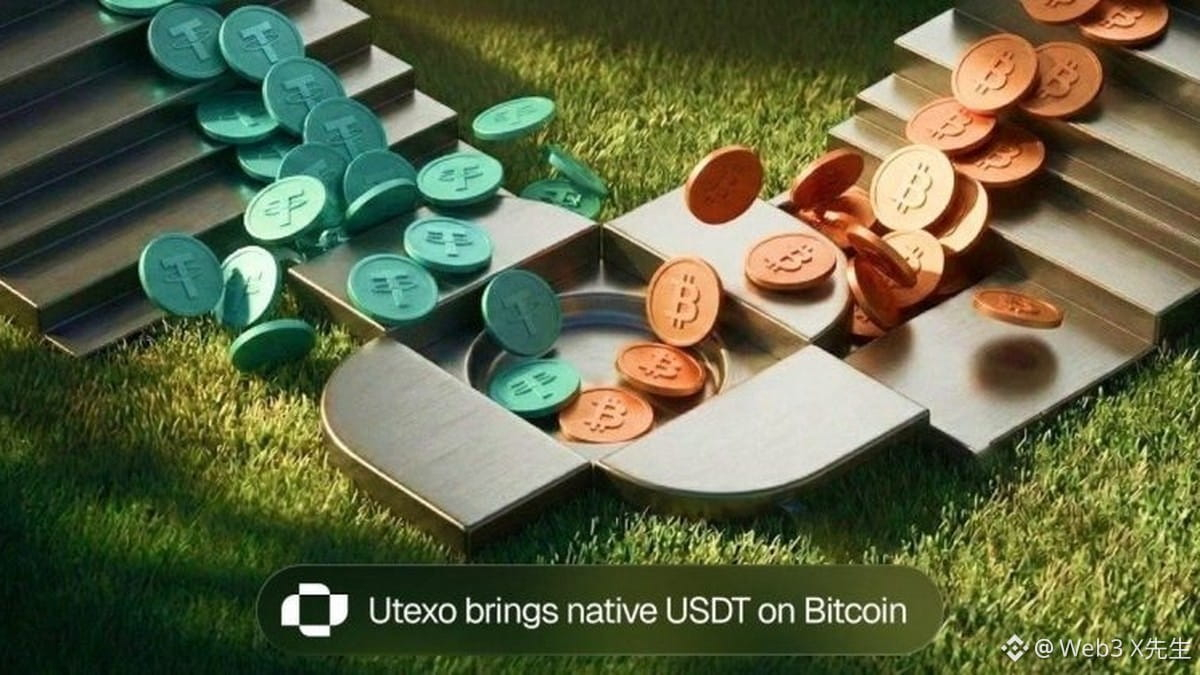
USDT’s parent company has said it will bring it back home. This time, they’re using the RGB protocol on the Bitcoin network. The landing partner is UTXO, which the parent company has invested in. Their co-founder put it very plainly: he said this isn’t issuing a new coin—it’s getting USDT back home. Transfers go through the Lightning Network, and funds can arrive in a matter of seconds.⚡
USDT’s market cap is now close to 190 billion USD. It’s the world’s largest USD-pegged stablecoin by size. Swapping out the underlying layer for something this large is definitely not a small deal. Tether wallets will be the first to support it. And a batch of exchanges are already lining up to integrate. The official timeline says it will launch within this month.👛
For ordinary users, the benefits are actually quite tangible. When you transfer USDT, you won’t need to keep TRX separately just to pay gas fees anymore. You can send directly to a Bitcoin address—cutting out an extra step. Bitcoin addresses are new every time, which provides better privacy. Fees are controlled via the API, so you can calculate in advance exactly how much you’ll spend. And you also save on conversion slippage and intermediary fees.💸
But there’s one detail you need to watch closely—don’t get too excited yet. In the end, RGB assets are ultimately anchored to Bitcoin UTXOs. The official can’t freeze USDT addresses here. Instead, they use a blacklist approach. They put problematic UTXOs on the list and distribute them to major exchanges. Once the coins are on the list, you basically won’t be able to redeem them again.🔒
The RGB protocol has actually been in the works for many years. Back in 2016, people started writing the underlying code. But it kept getting delayed until the previous bull market ended, and it still wasn’t done. That window gave Tron an unwanted free pass to move in. This time, if it truly lands, the whole landscape could be different. The stablecoin settlement layer may have to be shuffled.🌍
📌 If 190 billion USDT is going back to Bitcoin, whether it can truly be implemented depends on these coming months.
Right now, which chain do you use to transfer USDT? Let’s discuss in the comments.
Group chat: 🚀 加入X先生粉丝群聊跟进
USDT originally didn’t run on Ethereum. In 2014, it was born on the Bitcoin network. At the time, it used Bitcoin’s Omni protocol. Later, transfers became slow and expensive, and users gradually moved away. Tron and Ethereum then took over most of the transfer volume. And once they did, it was more than eight years without looking back.⏳
USDT’s parent company has said it will bring it back home. This time, they’re using the RGB protocol on the Bitcoin network. The landing partner is UTXO, which the parent company has invested in. Their co-founder put it very plainly: he said this isn’t issuing a new coin—it’s getting USDT back home. Transfers go through the Lightning Network, and funds can arrive in a matter of seconds.⚡
USDT’s market cap is now close to 190 billion USD. It’s the world’s largest USD-pegged stablecoin by size. Swapping out the underlying layer for something this large is definitely not a small deal. Tether wallets will be the first to support it. And a batch of exchanges are already lining up to integrate. The official timeline says it will launch within this month.👛
For ordinary users, the benefits are actually quite tangible. When you transfer USDT, you won’t need to keep TRX separately just to pay gas fees anymore. You can send directly to a Bitcoin address—cutting out an extra step. Bitcoin addresses are new every time, which provides better privacy. Fees are controlled via the API, so you can calculate in advance exactly how much you’ll spend. And you also save on conversion slippage and intermediary fees.💸
But there’s one detail you need to watch closely—don’t get too excited yet. In the end, RGB assets are ultimately anchored to Bitcoin UTXOs. The official can’t freeze USDT addresses here. Instead, they use a blacklist approach. They put problematic UTXOs on the list and distribute them to major exchanges. Once the coins are on the list, you basically won’t be able to redeem them again.🔒
The RGB protocol has actually been in the works for many years. Back in 2016, people started writing the underlying code. But it kept getting delayed until the previous bull market ended, and it still wasn’t done. That window gave Tron an unwanted free pass to move in. This time, if it truly lands, the whole landscape could be different. The stablecoin settlement layer may have to be shuffled.🌍
📌 If 190 billion USDT is going back to Bitcoin, whether it can truly be implemented depends on these coming months.
Right now, which chain do you use to transfer USDT? Let’s discuss in the comments.