【Stablecoin certification starts early—has the issuer’s window opened?🏦🚀】
Group chat: 🚀 加入X先生粉丝群跟进
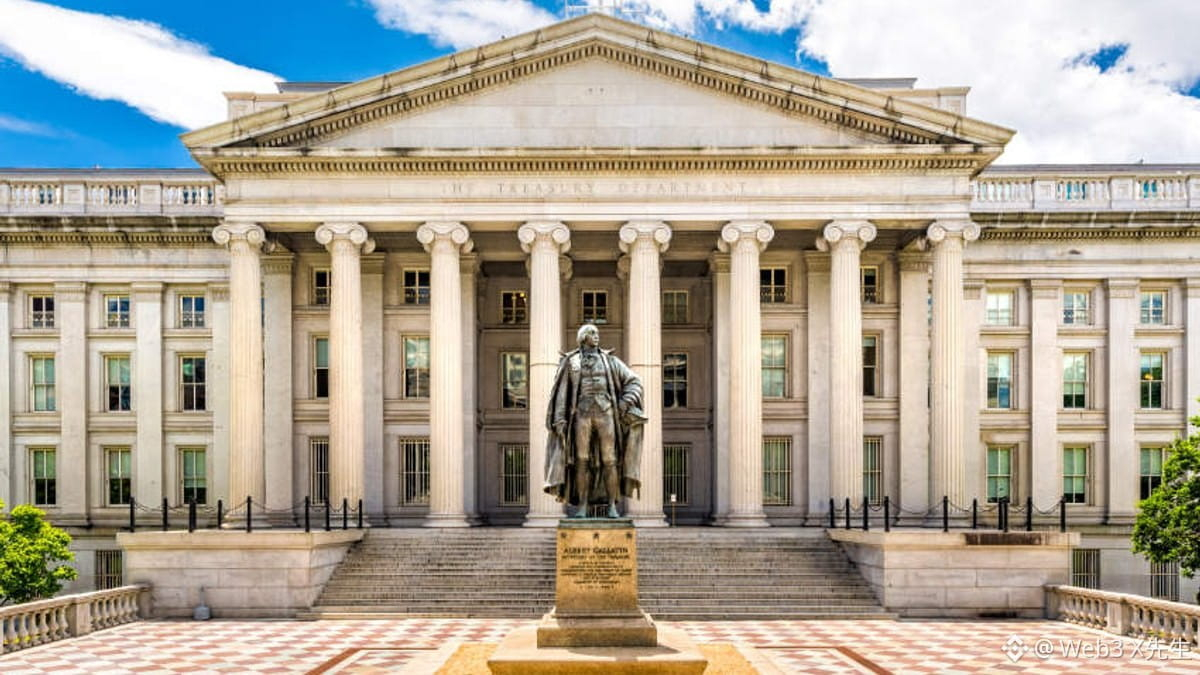
The U.S. Treasury has moved the process up. States can submit materials before the rules are finalized and rolled out. The forms to be filled out and the steps have already been published. This move aims to give issuers an earlier path. The policy timeline is faster than the market expected. Issuers’ schedules have been forced forward.📋
The committee handling the certification is newly established. Its members include the Secretary of the Treasury, the Chair of the Federal Reserve, and the Chair of the FDIC. This set of procedures takes effect on September 30. Certification intake will only proceed after the documents are approved. The real rulebook is still in the proposal stage. So for now, the process comes first, while the standards remain to be decided.🏛️
State-level regulators are not convinced. They worry the time window is too tight. They opposed the April draft standards. The final federal version has not been released to this day. State rules need to align with the federal framework, and the two sides’ interpretations of how to align are not the same.⚖️
The certification deadline is set for January 18, 2028. That’s more than two years from now. The bill requires states to submit materials within one year. But even the standards haven’t been set yet. A short window and a long process—that’s the contradiction. States that submit first effectively grab the initiative.🗓️
The issuer’s choices are changing too. Where you obtain a license matters differently depending on the state. Big states carry more weight in terms of stance. How reserves are set up and how audits are conducted must be recalculated. Custody banks will receive new requirements accordingly. Compliance costs are likely to rise immediately by one step.🏢
For crypto, stablecoins are the foundation for dollar assets on-chain. The clearer the foundation, the more confidently applications above it can be built out. What institutions fear most isn’t the price—it’s the lack of rules. With rules, there’s certainty, and money will be willing to stay for the long term. The bar for issuance is getting higher. Smaller institutions could be pushed to the sidelines.🧱
📌 The point of the rules is not strictness, but predictability.
Do you think competition at the state level will make issuance more concentrated? Let’s discuss in the comments
#美财政部允许各州提前提交稳定币认证
Group chat: 🚀 加入X先生粉丝群跟进
The U.S. Treasury has moved the process up. States can submit materials before the rules are finalized and rolled out. The forms to be filled out and the steps have already been published. This move aims to give issuers an earlier path. The policy timeline is faster than the market expected. Issuers’ schedules have been forced forward.📋
The committee handling the certification is newly established. Its members include the Secretary of the Treasury, the Chair of the Federal Reserve, and the Chair of the FDIC. This set of procedures takes effect on September 30. Certification intake will only proceed after the documents are approved. The real rulebook is still in the proposal stage. So for now, the process comes first, while the standards remain to be decided.🏛️
State-level regulators are not convinced. They worry the time window is too tight. They opposed the April draft standards. The final federal version has not been released to this day. State rules need to align with the federal framework, and the two sides’ interpretations of how to align are not the same.⚖️
The certification deadline is set for January 18, 2028. That’s more than two years from now. The bill requires states to submit materials within one year. But even the standards haven’t been set yet. A short window and a long process—that’s the contradiction. States that submit first effectively grab the initiative.🗓️
The issuer’s choices are changing too. Where you obtain a license matters differently depending on the state. Big states carry more weight in terms of stance. How reserves are set up and how audits are conducted must be recalculated. Custody banks will receive new requirements accordingly. Compliance costs are likely to rise immediately by one step.🏢
For crypto, stablecoins are the foundation for dollar assets on-chain. The clearer the foundation, the more confidently applications above it can be built out. What institutions fear most isn’t the price—it’s the lack of rules. With rules, there’s certainty, and money will be willing to stay for the long term. The bar for issuance is getting higher. Smaller institutions could be pushed to the sidelines.🧱
📌 The point of the rules is not strictness, but predictability.
Do you think competition at the state level will make issuance more concentrated? Let’s discuss in the comments
#美财政部允许各州提前提交稳定币认证